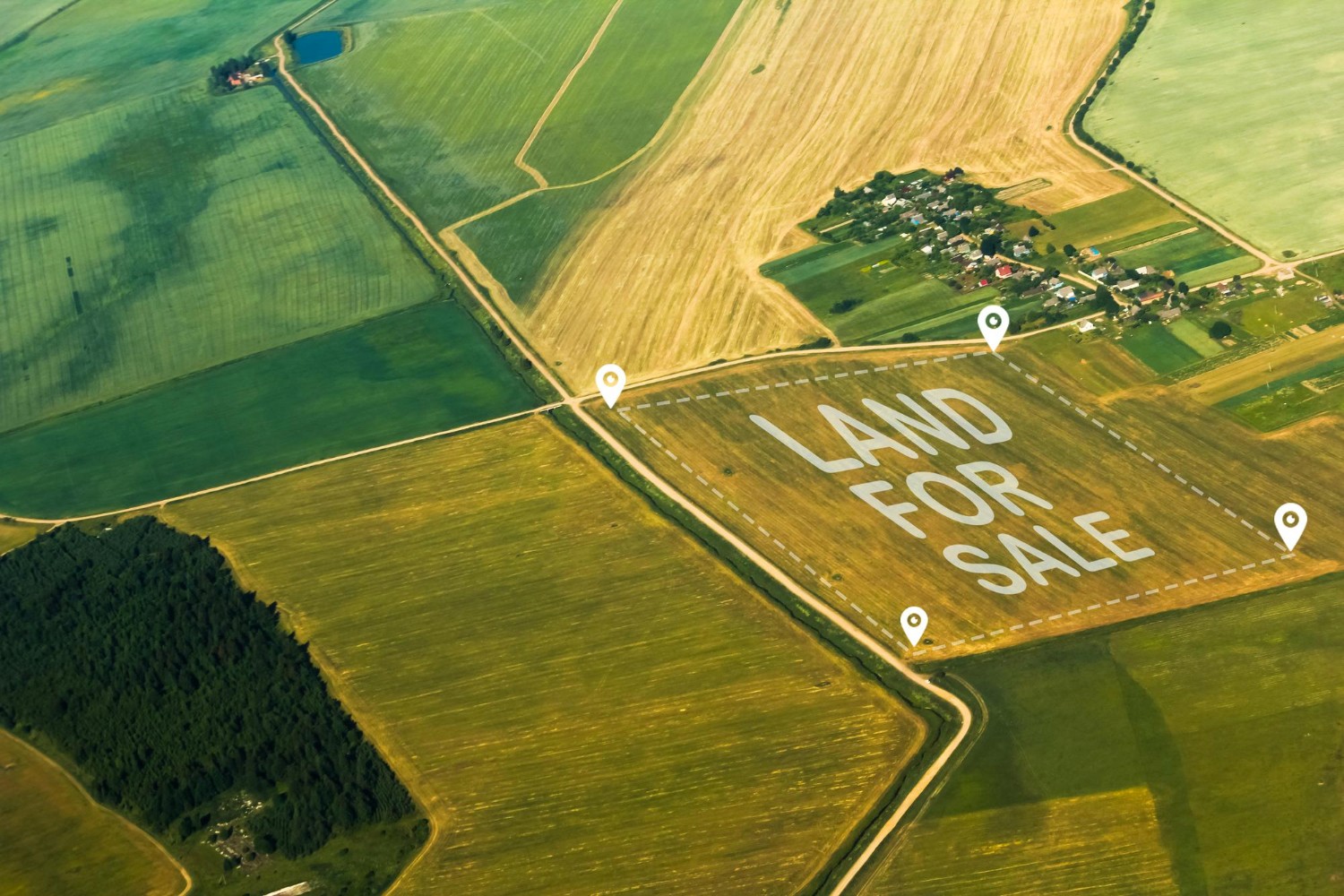
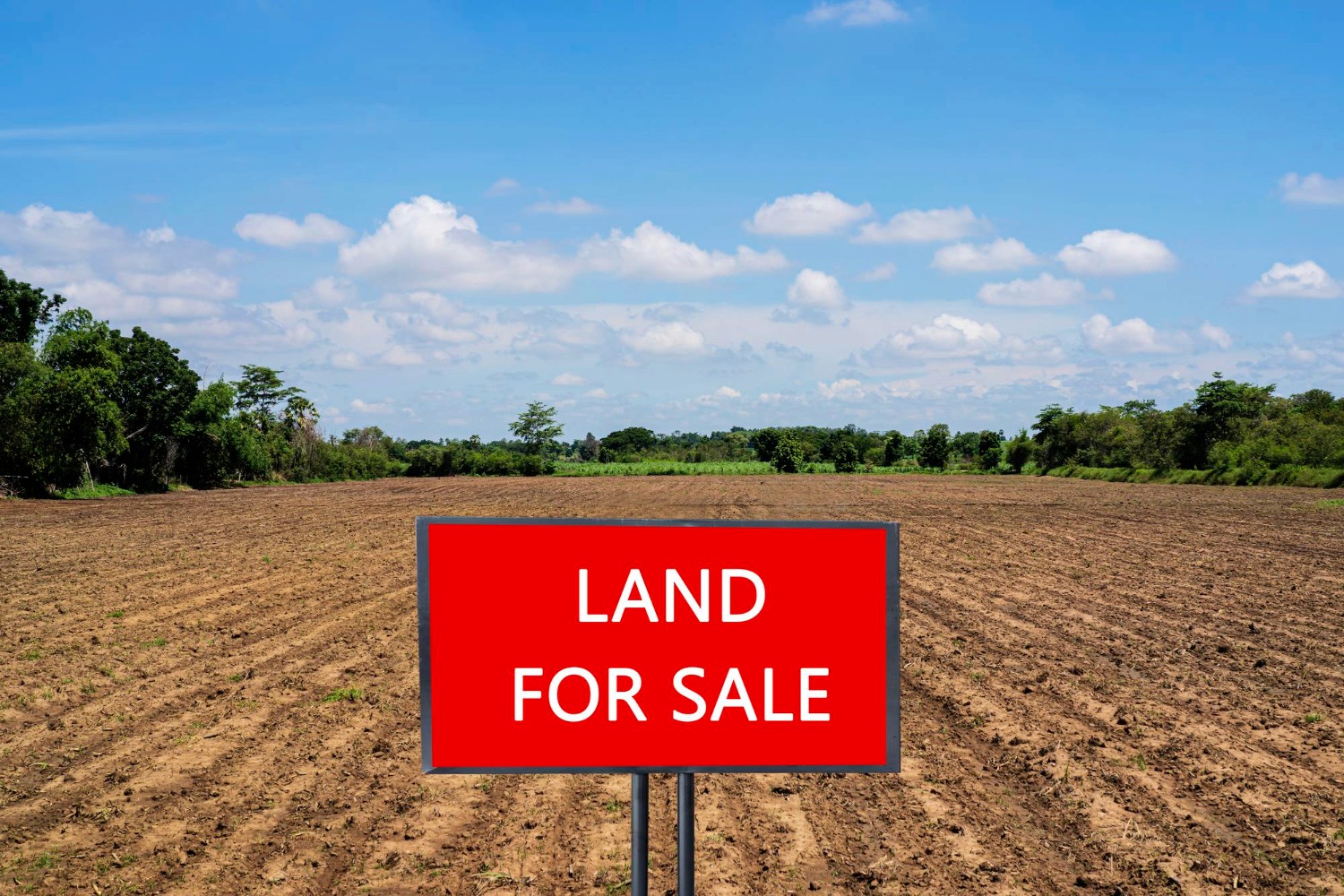
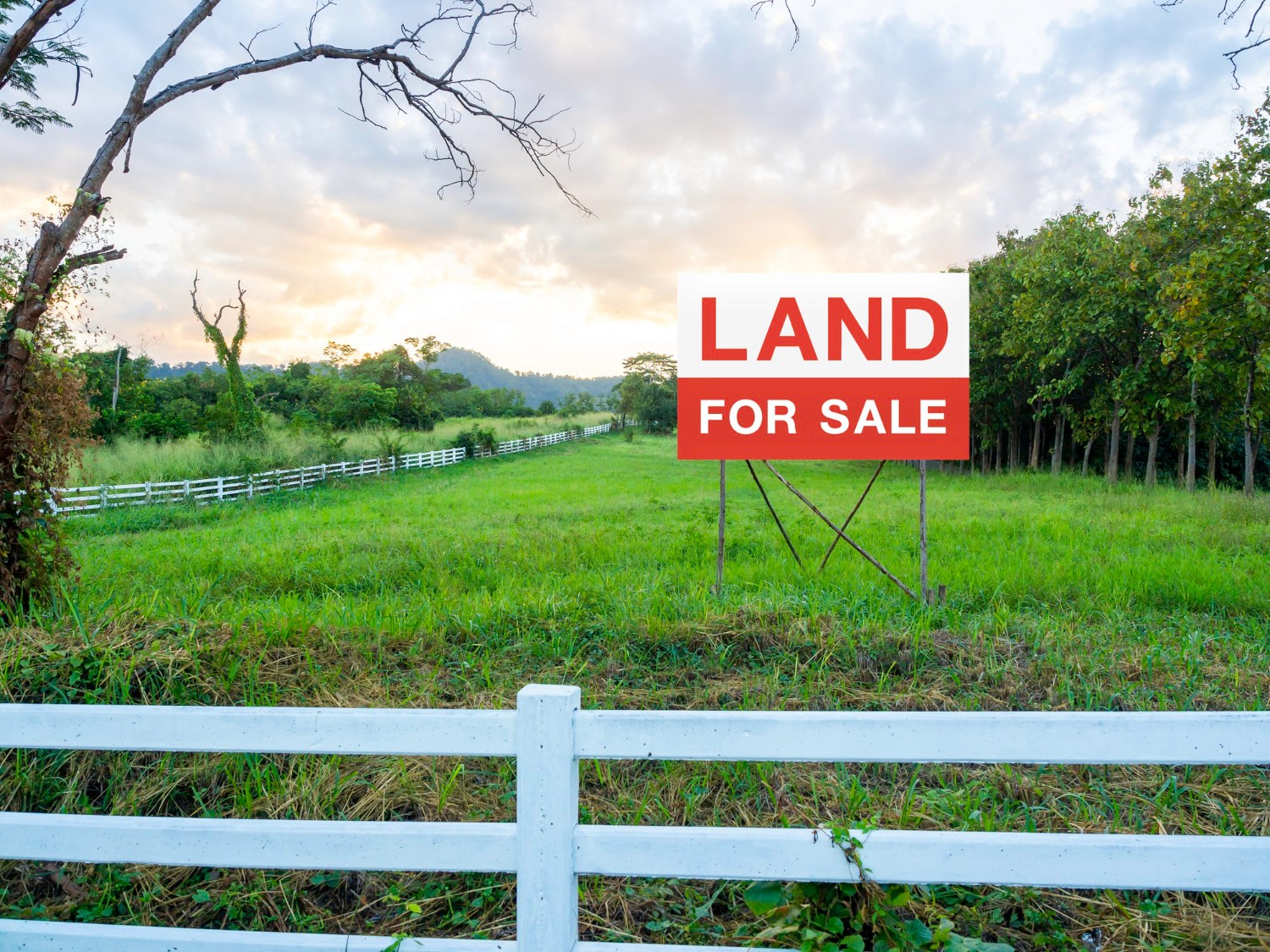
Spring is a busy time across the Midwest, and that includes the farm auction scene. If you're paying attention, you'll notice more signs going up and more land hitting the market just as the ground starts to warm. This is the season when land farm auctions pick up, especially for first-time buyers hoping to get in before another year of planting and growing takes off.
For people in states like Indiana, Ohio, and Kentucky, spring tends to be the window when opportunities line up. Travel is easier, properties are more accessible, and the land starts showing its true condition. Anyone thinking of joining their first auction or just starting to watch can use this season to get familiar with how things work and what to expect.
What Makes Spring Auctions Different
Spring brings more than just green fields and warmer mornings. It sets the stage for a specific type of auction activity. Many sellers wait until now to list land because it's easier for buyers to see and walk. There's less snow and mud, and you can get a real feel for how the property drains or what kind of shape it's in after a Midwest winter.
Winter runoff shows how land holds up to moisture, helping buyers spot wet spots or erosion
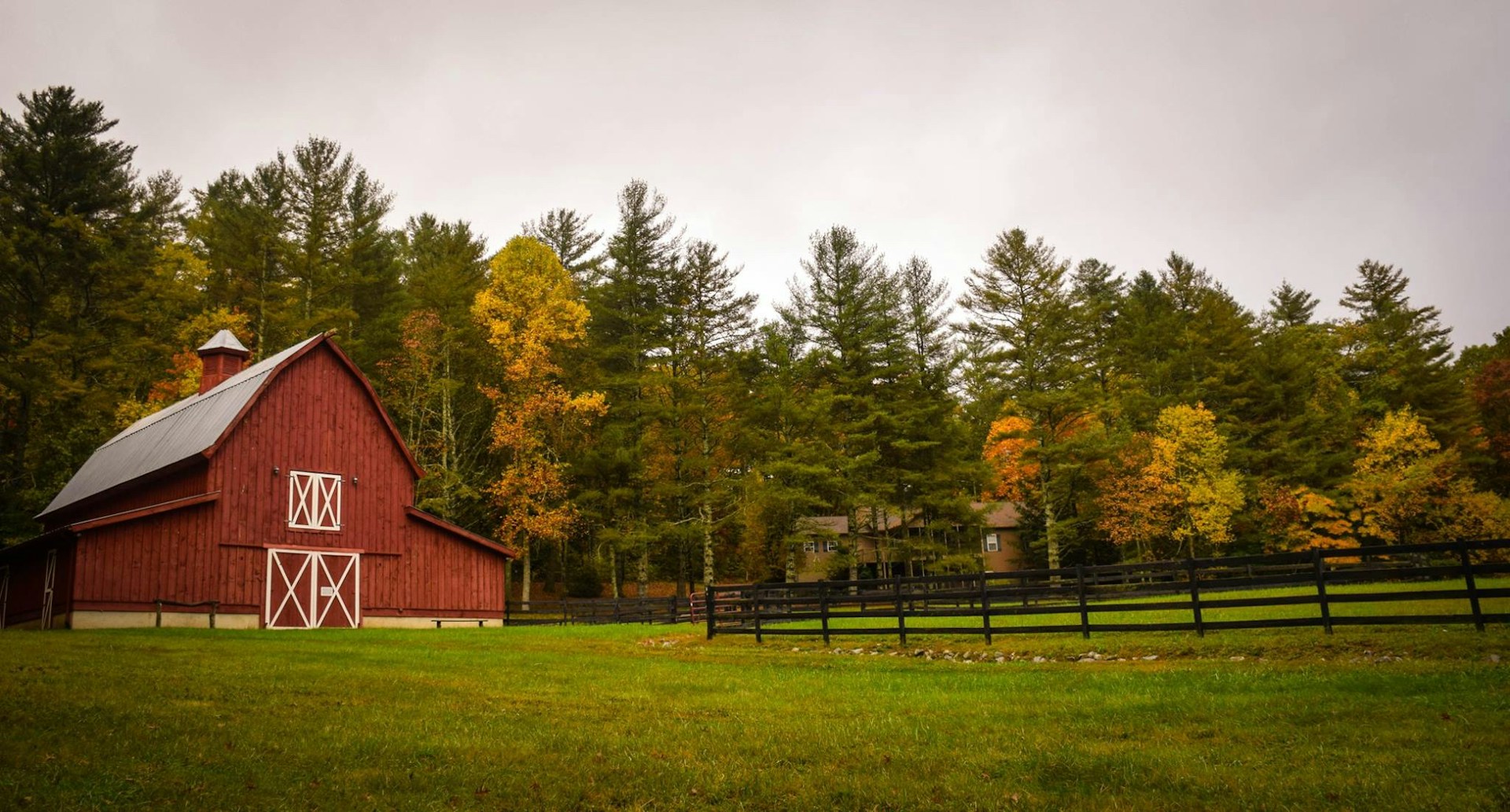
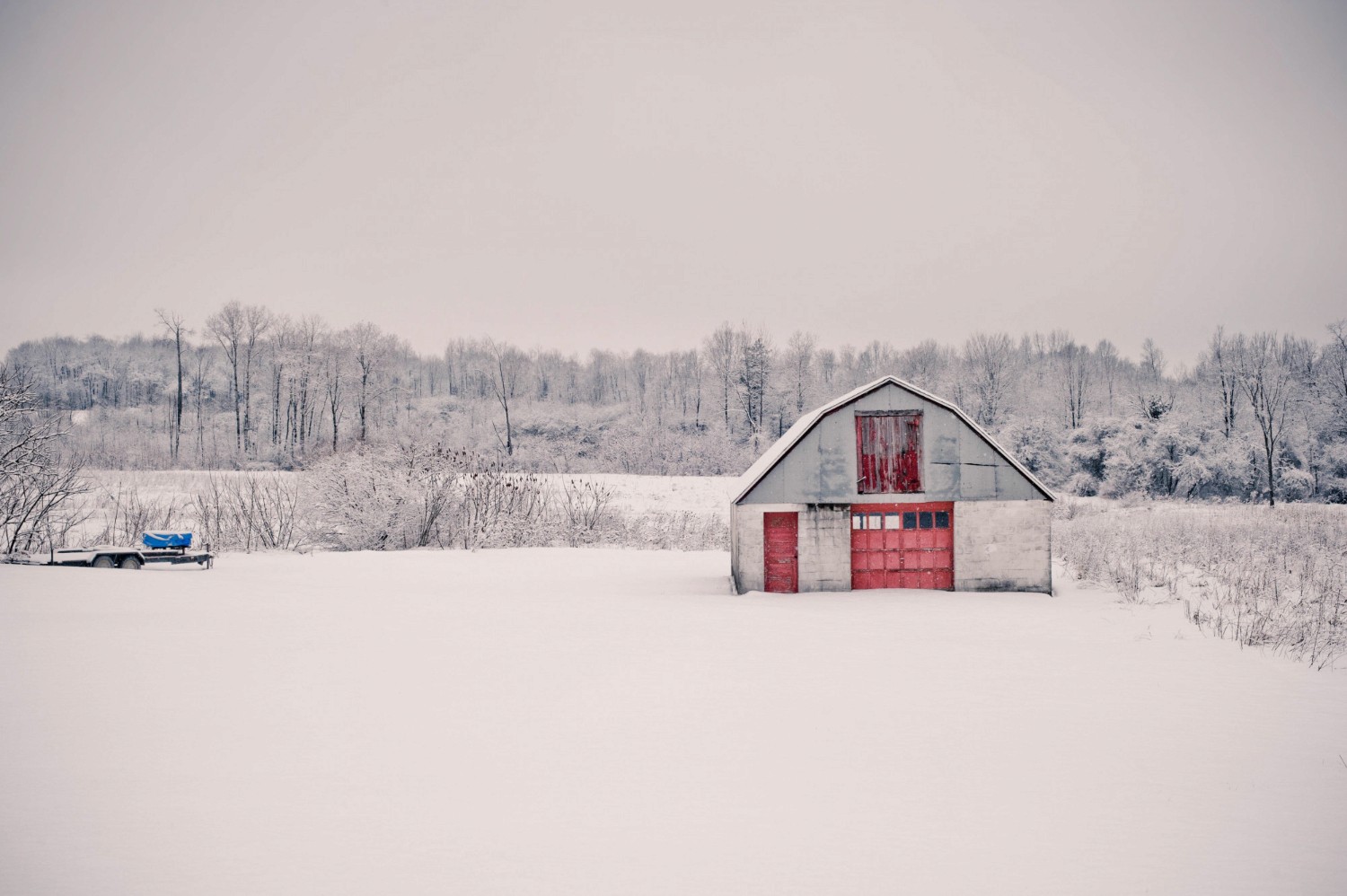
Trees are still bare, which makes it easier to see fence lines, structures, or potential problem areas
Travel is safer, and rural roads are clearer, so inspections or walk-throughs are more likely to happen
This season also brings auction volume. Some properties only become available after a family decision or farm transition, and those changes tend to happen early in the year. For first-time buyers, it is a good time to step into the mix without feeling rushed like they might later in the summer.
Farmland by Dirk’s auction services make it easier for both buyers and sellers to find strong matches as the market opens up in spring. Our experienced guidance and auction representation help clients understand bidding formats, property details, and the local market in Indiana, Ohio, and Kentucky.
What Buyers Should Look For Before Auction Day
Stepping into your first land auction takes some planning. Before you ever place a bid, you'll want to do a good bit of homework. Every property is a little different, and not every auction runs the same way.
Find out how the land can be used (is it open for farming, grazing, hunting, or something else?)
Take a close look at the access points. Is there a clear road entry or does it touch any neighbors?
Ask what the auction format is: some are in-person only, others are fully online or sealed bid
If you can, walk the property before auction day. That gives you a better handle on soil health, condition of fences or buildings, and how the land feels under your feet. Clarify what is included, too. A property may have a barn or grain bin that is not part of the sale, or maybe it is. Getting those details lined out ahead of time keeps surprises from slowing you down later.
We help first-time buyers by reviewing auction documentation, providing insight into local zoning and land use, and assisting with site visits so you step into the auction with confidence.
How Timing Impacts First-Time Buyers
Buying land in the spring offers one big advantage: time. Auctions held in March, April, or May usually come before most planting and grazing begin. For a first-time buyer, that early access can make it easier to plan ahead or even lease the land to a nearby farmer for the season.
You may be able to prepare fields, fix fences, or map out long-term plans before summer
Some states offer ag programs, tax benefits, or land improvements that require ownership before cut-off dates
If you're working toward using the land next year, early ownership lets you make changes at your pace
Even if you're not sure how you'll use the property right away, buying in spring opens the door to start learning. It lets you observe how the land reacts to the weather, how water flows, and what grows where. That is something you will want to see firsthand before making any big changes.
Common Missteps to Avoid the First Time Around
The first time is when most new buyers hit learning curves. Auctions move quickly, and it's easy to miss things if you're focused only on the bid price. Being prepared is better than feeling caught off guard.
Always walk the land before auction day. Some issues only show in person
Read the auction terms closely. Deadlines for payment or paperwork are not flexible
Ask about easements or local restrictions before bidding. They can affect what you can do with the land later
There is no shame in having questions your first time around. What matters is getting clear answers before the final bid is placed. That way, you'll feel good about what you're stepping into, not second-guessing it later.
A Season to Learn and Make Confident Moves
Spring land auctions offer a good place to start, especially for people who are patient, curious, and respectful of what they do not know yet. The season brings energy, but it also brings a chance to slow down and pay attention. That combination rewards smart moves more than fast ones.
At Farmland by Dirk, we provide first-time auction support for buyers across Indiana, Ohio, and Kentucky, helping you with education and step-by-step planning tailored to the unique demands of local spring auctions. Our background in hands-on farming and real estate makes a difference when it comes to reviewing documents, understanding property details, and making successful bids.
Spring often inspires many first-time buyers to consider bidding on land, and taking the time to prepare can make a real difference before auction day. We have guided new buyers throughout Indiana, Ohio, and Kentucky, helping them step into the process with confidence. Knowing what to expect at land farm auctions can help you feel more prepared and informed. At Dirk Ricke, we are committed to making the land buying process clearer and more worthwhile, so reach out when you are ready to discuss your goals.