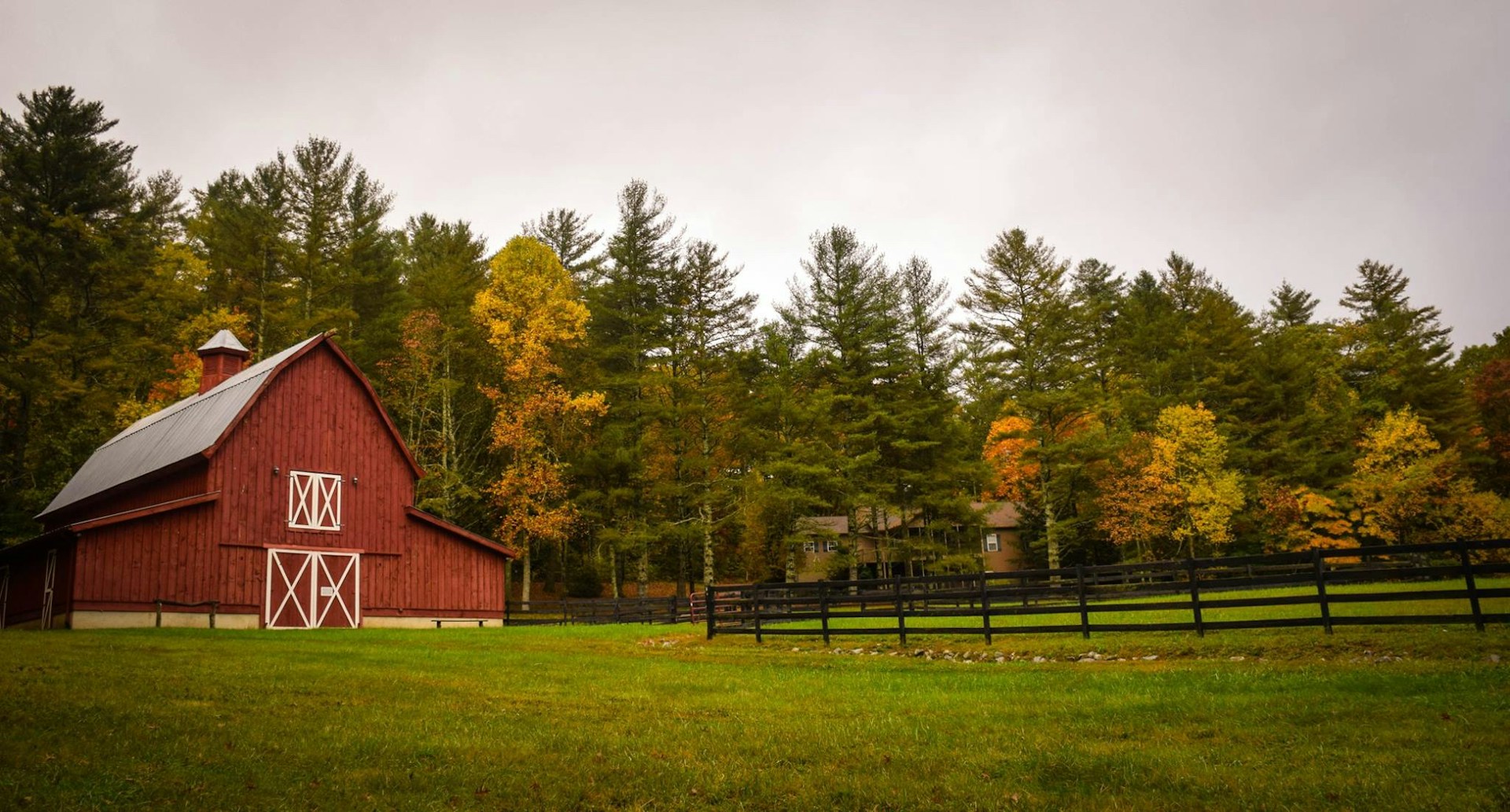
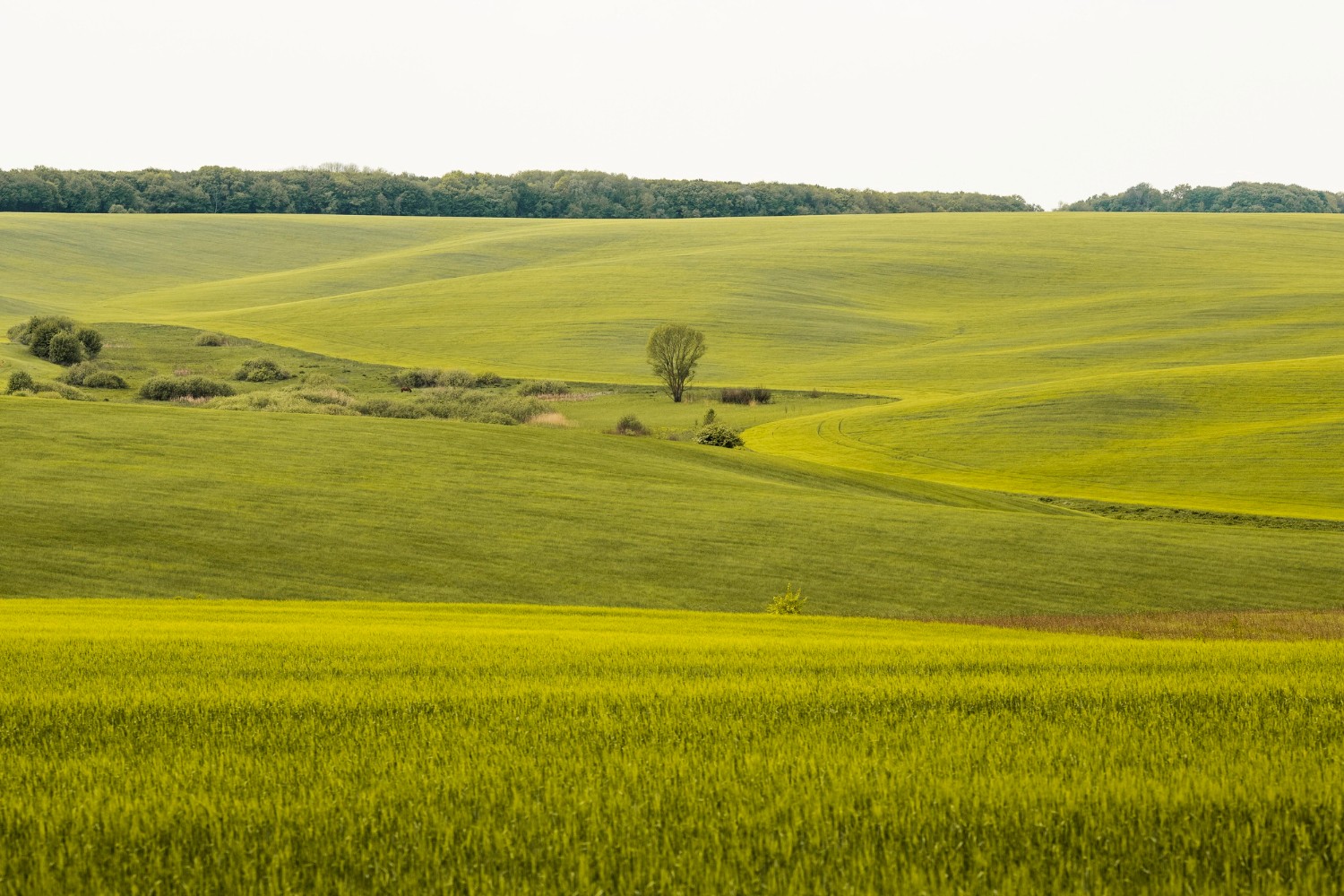
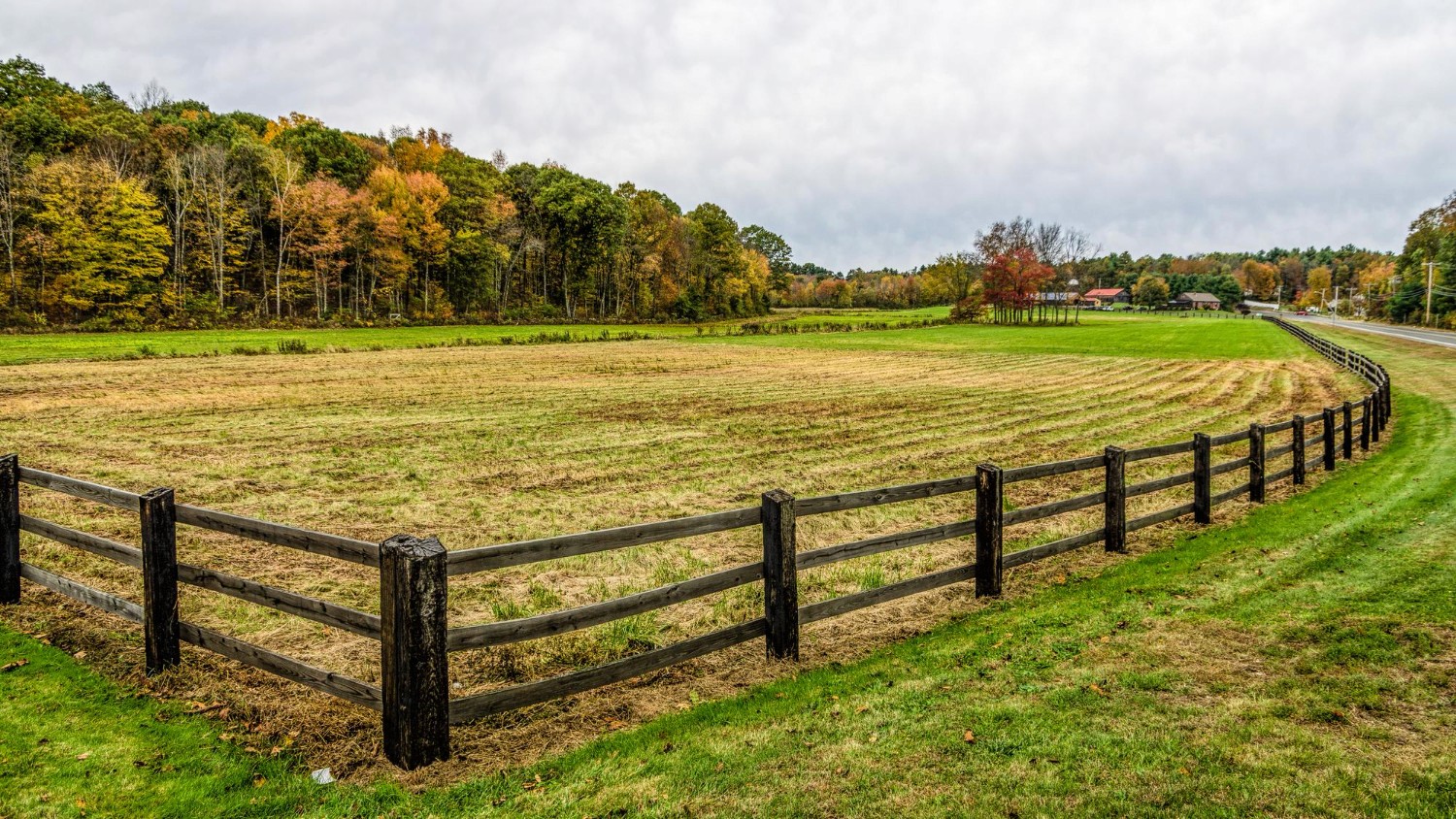
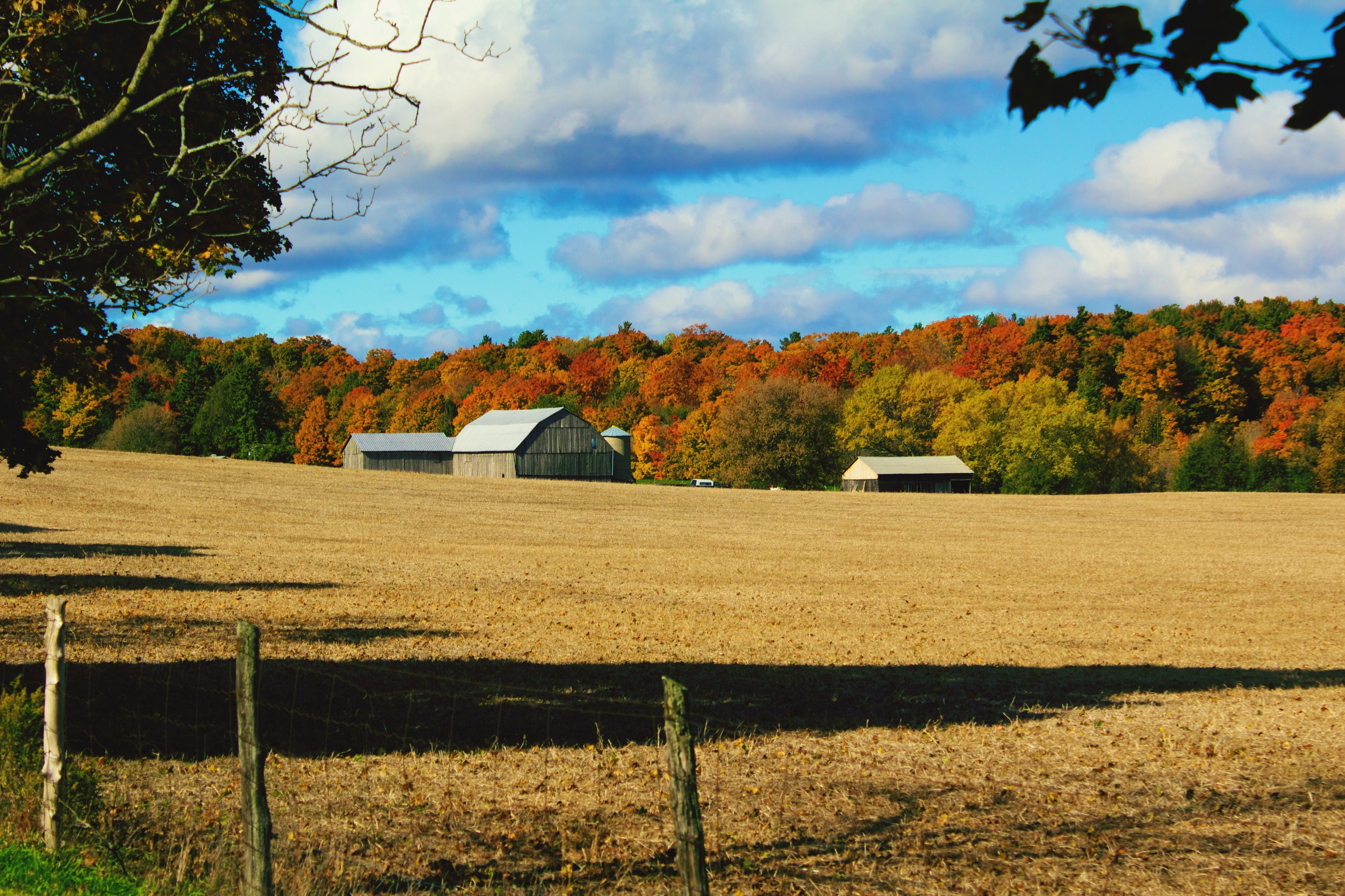
Spring is a good time to start looking at horse properties in Kentucky. The grass is coming back, the weather makes visits easier, and barns and buildings can be seen more clearly than in winter. For many buyers, a Kentucky horse farm for sale is not just a piece of land. It is the first step toward something much more, whether that means starting a boarding business, raising horses, or just having a quiet place to ride.
These farms offer a kind of lifestyle you cannot always get from other properties. Just looking at listings and pictures does not give you the full picture. Finding the one that fits your plans takes more than a quick online search. Horse farms come with their own set of things to think about, and those details can make a big difference when it comes to everyday life on the land.
More Than Fences and Fields
A real horse farm has more going on than just wide pastures and pretty views. It needs to work for the people who live there and the horses that call it home. A lot can depend on how the land and buildings are set up.
Barns need more than space, they need to be sound, safe, and laid out so daily tasks are smooth
Pasture size and layout should fit the type and number of horses you plan to keep
Water access cannot be an afterthought, both in the barn and across grazing areas
Riding areas, both indoor and outdoor, often matter for training and safety
Even small things like where the gates sit or how far you have to walk from the house to the barn can make everyday life harder or easier. We always look at how the land supports the purpose, not just how it looks from the road.
Farmland by Dirk supports clients through property evaluations and site visits to review barn safety, pasture setups, and utility availability on Kentucky horse farm listings. Our team combines firsthand knowledge with market insights so clients can navigate local building codes, water access questions, and practical barn improvements before purchase.
Knowing the Land’s History and Use
When land has been used for farming or livestock in the past, that history can tell you a lot. Fields that were overworked may take time to come back. Soil health impacts pasture growth. Drainage problems might not show up right away, but they will make themselves known after a rain.
Spring is a useful season to check the land. After winter, it is easier to see where water might sit too long or where fences sagged under snow or ice. We like to ask about:
Rotation plans if livestock ever used the land
Type of feed or crops that were grown in the past
Any recent fence, driveway, or structure updates
How long the land sat before being listed for sale
Understanding how the land has been cared for helps us see what work might be waiting. It helps rule out deals that sound better on paper than they play out in real life.
Location Makes a Difference
Not every farm in Kentucky works the same way. What you plan to do will shape where it makes sense to buy. Whether you are breeding, training, trail riding, or just keeping horses for personal use, different areas support different needs.
Being close to vet services, feed stores, or supply shops can make long-term care easier
Local riding clubs, showgrounds, or trails may be part of your plans
Some counties have zoning that limits change of use, building, or subdivision
Older rural roads can make hauling hay or moving trailers harder than you would expect
We help you understand neighborhood resources, county zoning, and market trends. Our experience working with Kentucky and multi-state farm buyers highlights practical access factors and supports long-term planning.
We take time to think through where the farm sits in relation to your day-to-day needs. A cheaper farm two hours from everything might not stay cheap once you add in time and travel.
Seeing Beyond the Pictures
It is easy to scroll listings and pick out the ones with the best photos. We have walked enough farms to know pictures miss a lot. A leaning barn wall will not always show up in bright light. Fencing gaps get missed if they are down in the grass. Even smells give clues when walking the property, mildew in a tack room or ammonia from poor stall care.
A site visit helps see:
Where gates are placed and how well they open or latch
If any roofs leak or walls shift with weather
How slopes affect pasture use or riding
Whether buildings match what is listed in size or condition
We try to walk the farm with fresh eyes, thinking both like a horse person and someone wanting a long-term plan. If something looks off or feels awkward, asking early avoids surprise fixes down the line.
Where Purpose Meets Possibility
A good Kentucky horse farm for sale is not just something to buy, it is something to live with every day. That is why we look at more than price and pictures. We think through your goals, how the land supports them, and what hidden work might be needed before the place really works for you.
These kinds of farms have the space and setup to grow into what you need, but only if they match your needs from the start. Taking time to check the land, walk the barns, and ask the right questions turns a listing into a long-term fit. That is the difference between just buying property and finding the right place to stay.
At Farmland by Dirk, we understand how important it is to find property that truly supports your goals and work with horses. Planning ahead gives you a better perspective before making major investments. Whether you want a peaceful country setting or land to expand your horse operation, creating the right plan makes all the difference. Start looking for a valuable opportunity with our help by exploring the right Kentucky horse farm for sale. Get in touch when you are ready to take the next step.