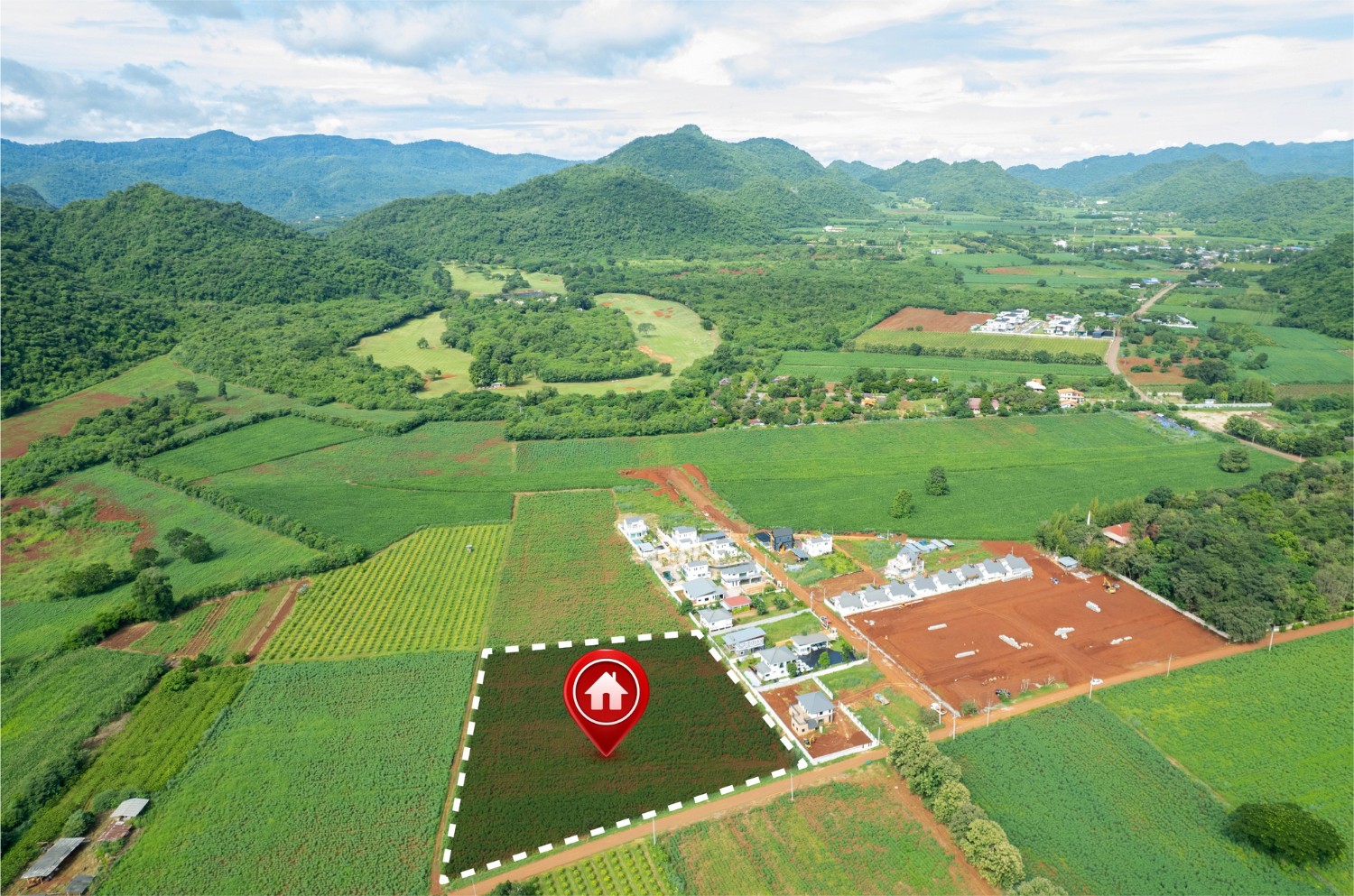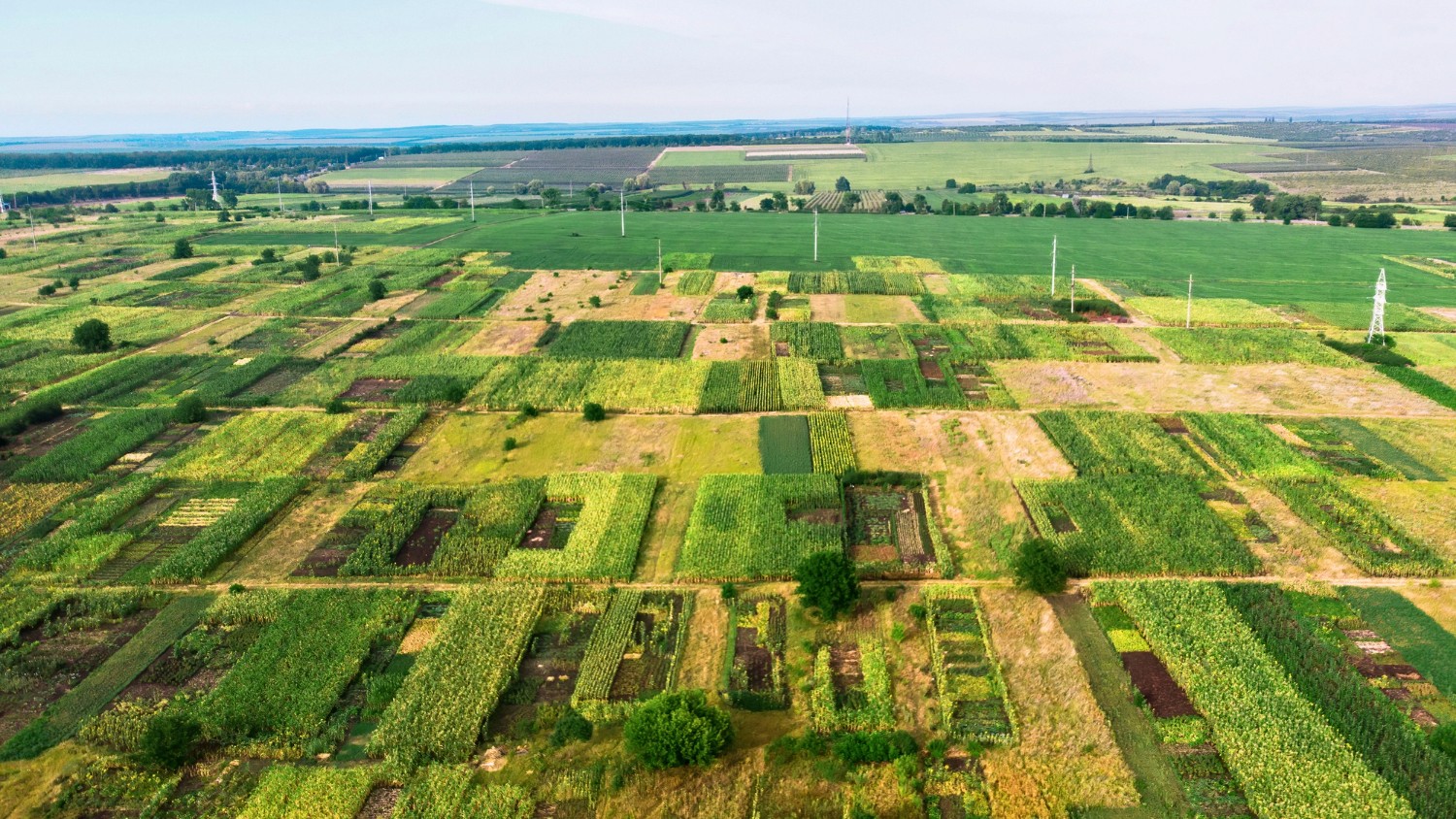
Growing a farming business doesn't just happen overnight. It takes careful planning and the right set of strategies. For those in the agricultural management industry, recognizing when to expand services can be the difference between thriving and merely surviving. Scaling up your services means more than just increasing size; it involves enhancing your capabilities to meet new demands and challenges.
Farmers and landowners often reach a point where maintaining current operations isn't enough. Whether it's due to market changes or increased competition, the need for growth becomes clear. But determining the right time to do so requires keen insight into the workings of your business, along with foresight to capitalize on new opportunities. Understanding when and how to expand can help you stay ahead and ensure your agricultural management services remain competitive and relevant.
Understanding the Need for Growth in Agricultural Management Services
Recognizing the signs that your operation might benefit from expansion is the first step. One clear indication is when you're consistently unable to meet client demands with your existing resources. If your team is constantly stretched thin, adjusting to accommodate growth could help maintain quality and keep clients satisfied. Additionally, if your competitors are consistently expanding while you're standing still, it might be time to reevaluate your position to keep up in the industry.
Another sign that it might be time to scale up is when you see an increased demand for your services, either from new customers or existing ones looking for more extensive offerings. Meeting this demand without expansion can lead to overworked staff and overstressed systems, which can, in turn, hurt your reputation.
There are several benefits to expanding your agricultural management services:
Improved Efficiency: Expanding might allow for the inclusion of more advanced technology and processes, which can streamline operations and improve service delivery.
Increased Revenue: Naturally, more services and larger operations can lead to increased revenue streams.
Broader Market Reach: By offering more, you could attract new clients and enter new markets that were previously inaccessible.
These benefits show how growth can enhance not only operational efficiency but also financial stability and market position. However, successful expansion also requires a strategic approach, ensuring that growth doesn't just increase size but enhances quality and customer satisfaction too. So, as you consider expanding your services, think about how these changes will positively impact your business operations and your customers.
Evaluating Current Operations
Before jumping into an expansion, thoroughly evaluate the current state of your operations. Looking closely at what's working—and what isn't—will reveal the gaps and opportunities for improvement that could benefit from scaling up. Start by looking at your team's effectiveness and overall productivity. Are your employees consistently achieving their targets? Are operations running smoothly, or are there constant firefights that drain resources?
Next, assess how well your resources align with your goals. Are the tools and technologies you use up to the task, or are they outdated and hindering performance? This examination will unearth the areas where investment could yield significant returns. For example, upgrading equipment or employing more skilled staff can directly impact service quality and efficiency.
Techniques to assess management effectiveness include regular performance reviews, employee feedback sessions, and utilizing management software that provides real-time insights into your processes. These tools can help you identify trends and find opportunities for improvement. By doing this, not only do you refine the current status of your business, ensuring that it operates at its peak, but you also set a solid foundation for any future growth endeavors.
Strategic Planning for Expansion
Once you've evaluated your current operations, it's time to think about crafting a plan for growth. Creating a scalable agricultural management plan starts with setting clear goals. Ask yourself what you hope to achieve by expanding. Is the aim to enter new markets, enhance service offerings, or increase efficiency? Knowing your desired outcome will help shape your strategy.
Resource allocation plays a big role. You'll need to consider whether you have enough human power and equipment to handle a larger operation. This process can include assessing your budget for hiring additional staff and purchasing new machinery. Identifying key growth opportunities goes hand-in-hand with resource planning. Look into market trends and customer needs to pinpoint areas ripe for development. For instance, if drone technology is becoming popular for crop monitoring, integrating it into your services might be a smart move.
When putting your plan into action, flexibility is key. Markets can change, and unexpected challenges may arise. Ensure that your plan can adapt to these changes without causing major disruptions. This adaptability will sustain long-term growth and success.
Implementing Advanced Technologies
Technology can make the process of scaling up much smoother and more efficient. Consider integrating tools that automate routine tasks, freeing up time for you and your team to focus on more strategic initiatives. Incorporating systems that provide real-time data on crop health, weather conditions, and market prices can offer insights that lead to better decision-making.
Explore tech tools like farm management software, which can streamline operations by consolidating data into one system. This allows for better tracking of inventory, financials, and crop performance. Tools such as automated irrigation systems can optimize water use and boost crop yields. By adopting these technologies, you're not just making current processes more efficient; you're also setting the stage for a more advanced and scalable operation.
Implementing new technologies does come with a learning curve. Ensure that your team is trained to use these innovations effectively. You can do this through workshops or by hiring a specialized trainer. This investment in education will pay off by maximizing the benefits of the technologies and reinforcing your company’s ability to expand confidently.
Cost and Benefit Analysis for Scaling Up
Before taking the leap into expansion, perform a thorough cost and benefit analysis. Start by listing all potential costs associated with scaling operations. This includes expenses such as new equipment purchases, additional hires, and technology implementation. Factor in the ongoing operational costs that will increase with a larger scale, such as utilities and maintenance.
Next, weigh these against the anticipated benefits. These might include increased revenue from a larger client base, improved efficiencies leading to cost savings, and enhanced market presence. The key is to ensure that the benefits outweigh the costs in both the short and long term.
In some cases, the costs may appear daunting at first glance. However, consider the long-term gains. For example, an investment in renewable energy sources might cost more upfront but could lead to decreased energy bills in the long run. This kind of strategic thinking is crucial for ensuring a successful expansion that supports sustained growth.
Planning for a Prosperous Future
The road to expansion is filled with opportunities and challenges. Planning strategically, assessing current systems, and incorporating advanced technologies will set your agricultural management services on a path to success. Growth isn't just about expanding your operations; it's about building a sustainable future that caters to a growing agricultural landscape.
By taking a comprehensive approach, aligning with industry trends, and keeping flexibility in your strategy, you can ensure your business thrives in the years to come. These steps will help create a robust foundation, allowing your services to continue providing true value to clients while adapting to their evolving needs.
Is your agricultural operation ready for its next phase of growth? If you’re thinking about expanding to improve efficiency and productivity, Dirk Ricke can guide you every step of the way. Start by exploring our tailored agricultural management services designed specifically for Indiana farms. Let’s build a sustainable future together.