Is a Small Farm in Kentucky Right for You? Assessing the Challenges

Dirk Ricke

Nov 24, 2025

Is a Small Farm in Kentucky Right for You? Assessing the Challenges

Dirk Ricke

Nov 24, 2025

Is a Small Farm in Kentucky Right for You? Assessing the Challenges

Dirk Ricke

Nov 24, 2025

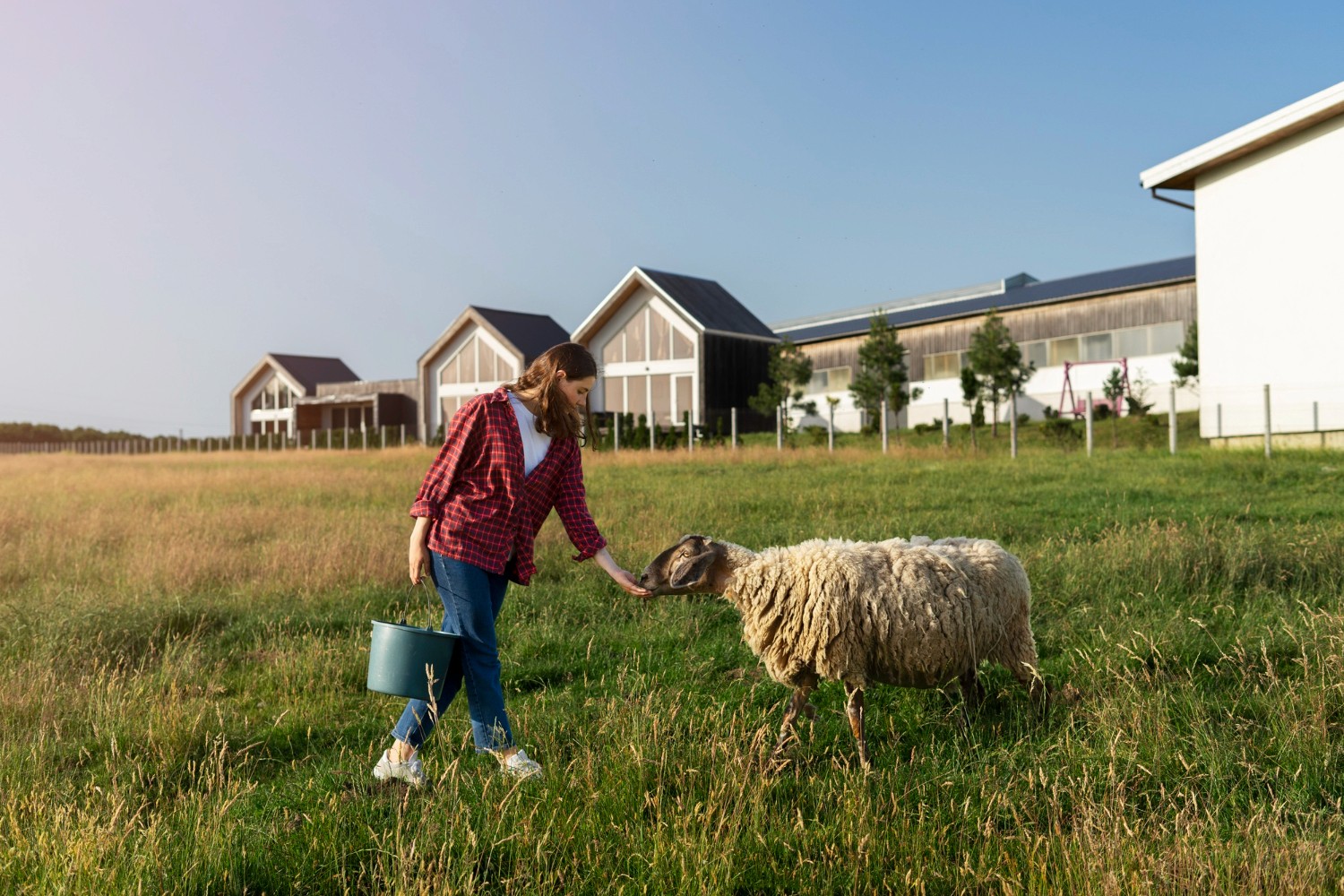
Thinking about starting a small farm in Kentucky? This decision can lead to a rewarding lifestyle change, bringing you closer to nature and offering a new way of life. Owning a small piece of land with endless possibilities is something many people dream about. But before jumping into such an endeavor, it's crucial to weigh the advantages and considerations involved.

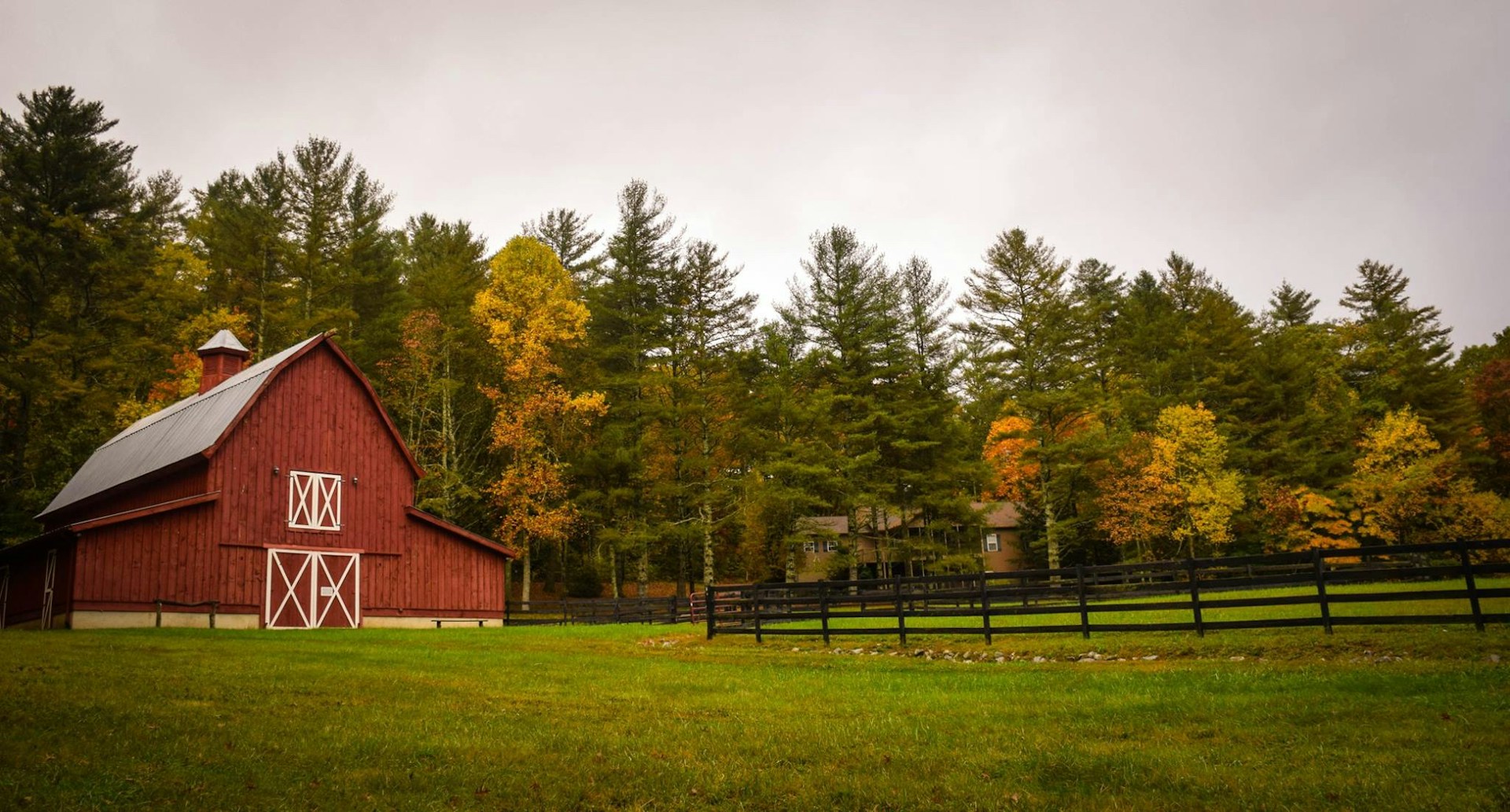
Kentucky offers a beautiful backdrop for small farms, attracting those who want to dive into agriculture or simply enjoy a rural lifestyle. With its lush landscapes and rich soil, it's easy to see the charm. Owning a small farm here isn't just about picturesqueness; it includes the tangible benefits of self-sufficiency, farming opportunities, and connection to a rich agricultural community. Let's explore whether a small farm in Kentucky is the right fit for you.

Understanding the Landscape of Kentucky Small Farms

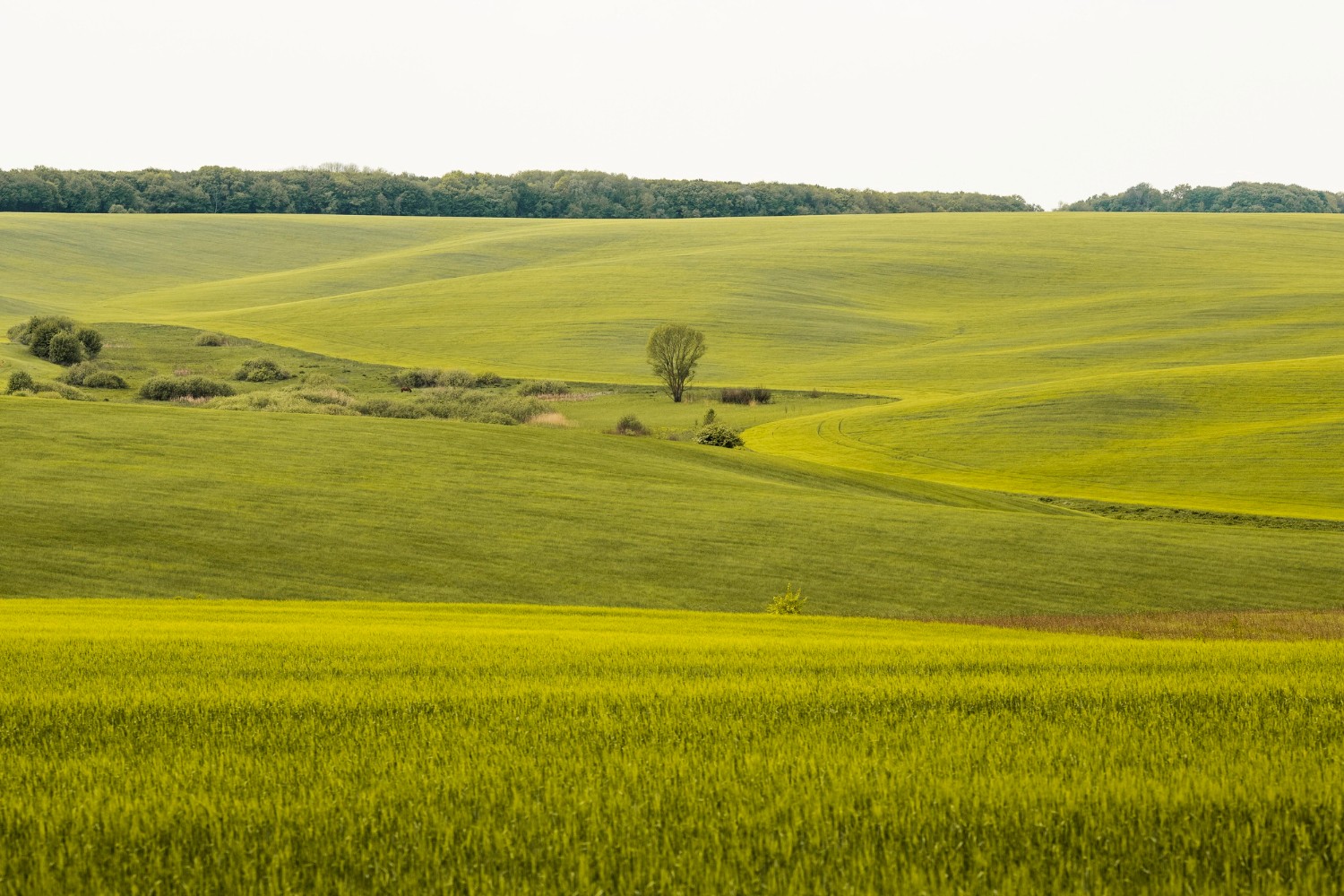
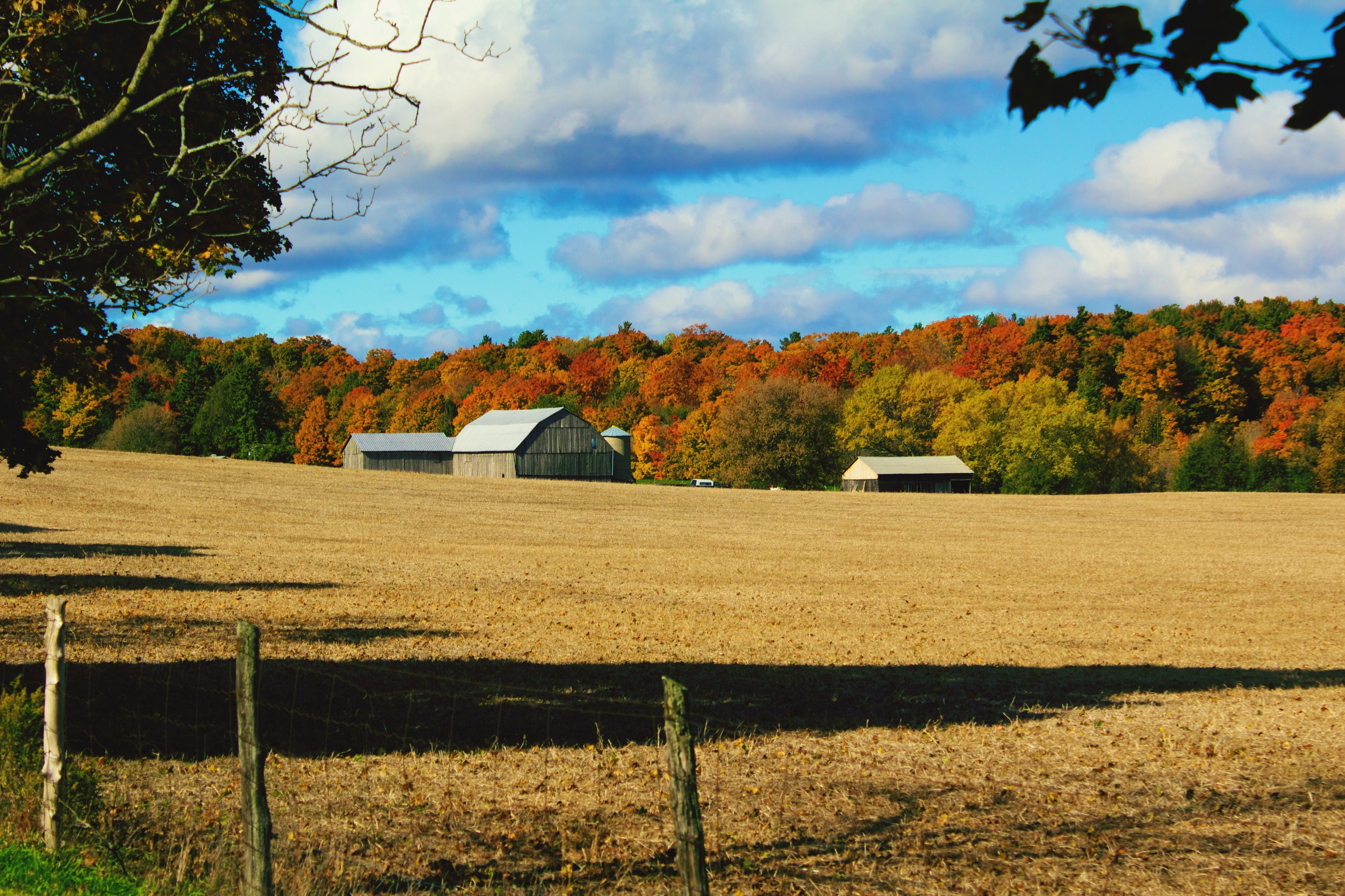
Kentucky is well-known for its diverse range of small farms. From the rolling hills of the Bluegrass Region to the fertile lands of Western Kentucky, there's a variety of farm types available. This state embraces many agricultural activities, providing options to those interested in crop farming, livestock raising, or even engaging in niche markets like organic farming.

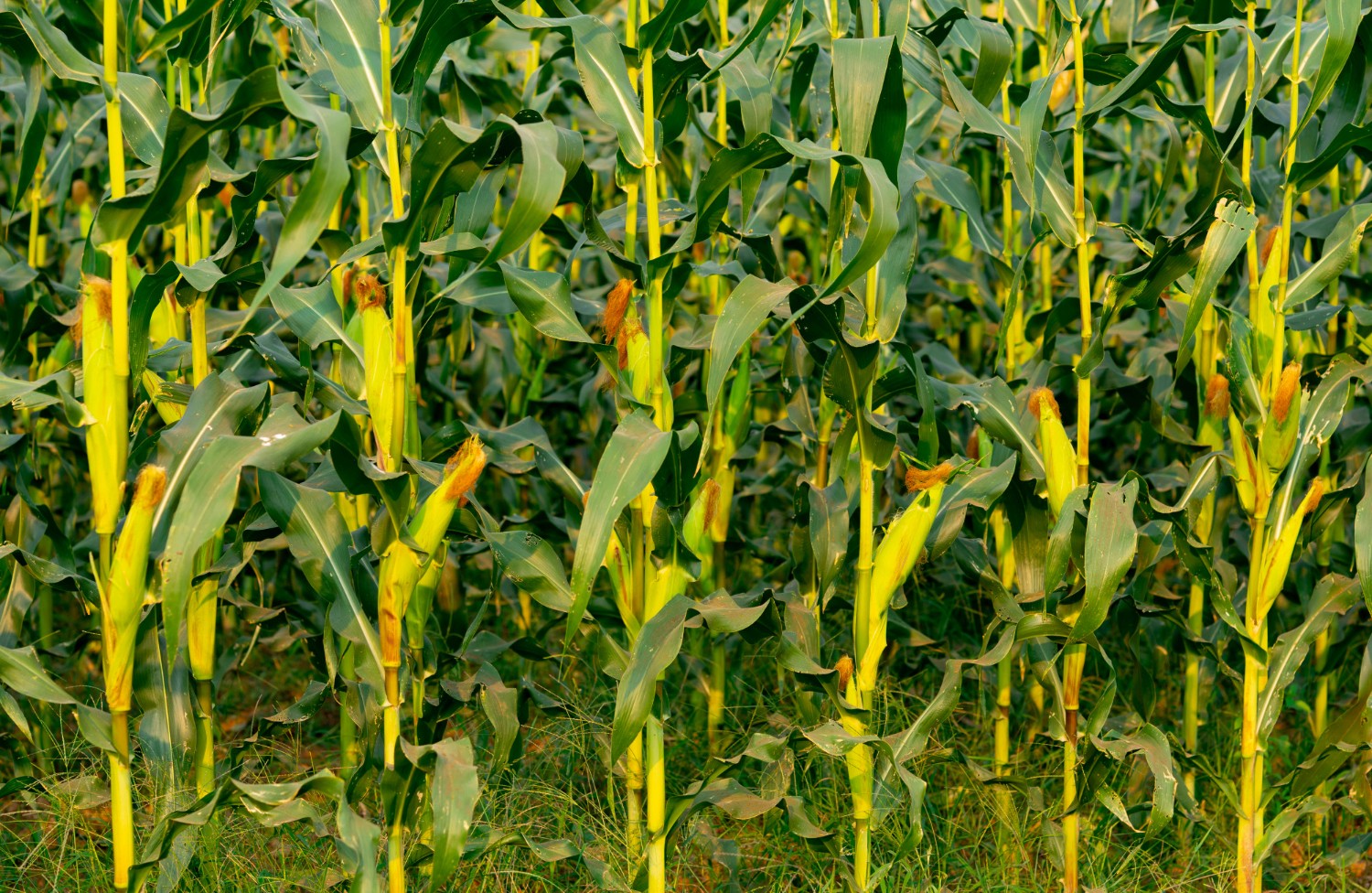
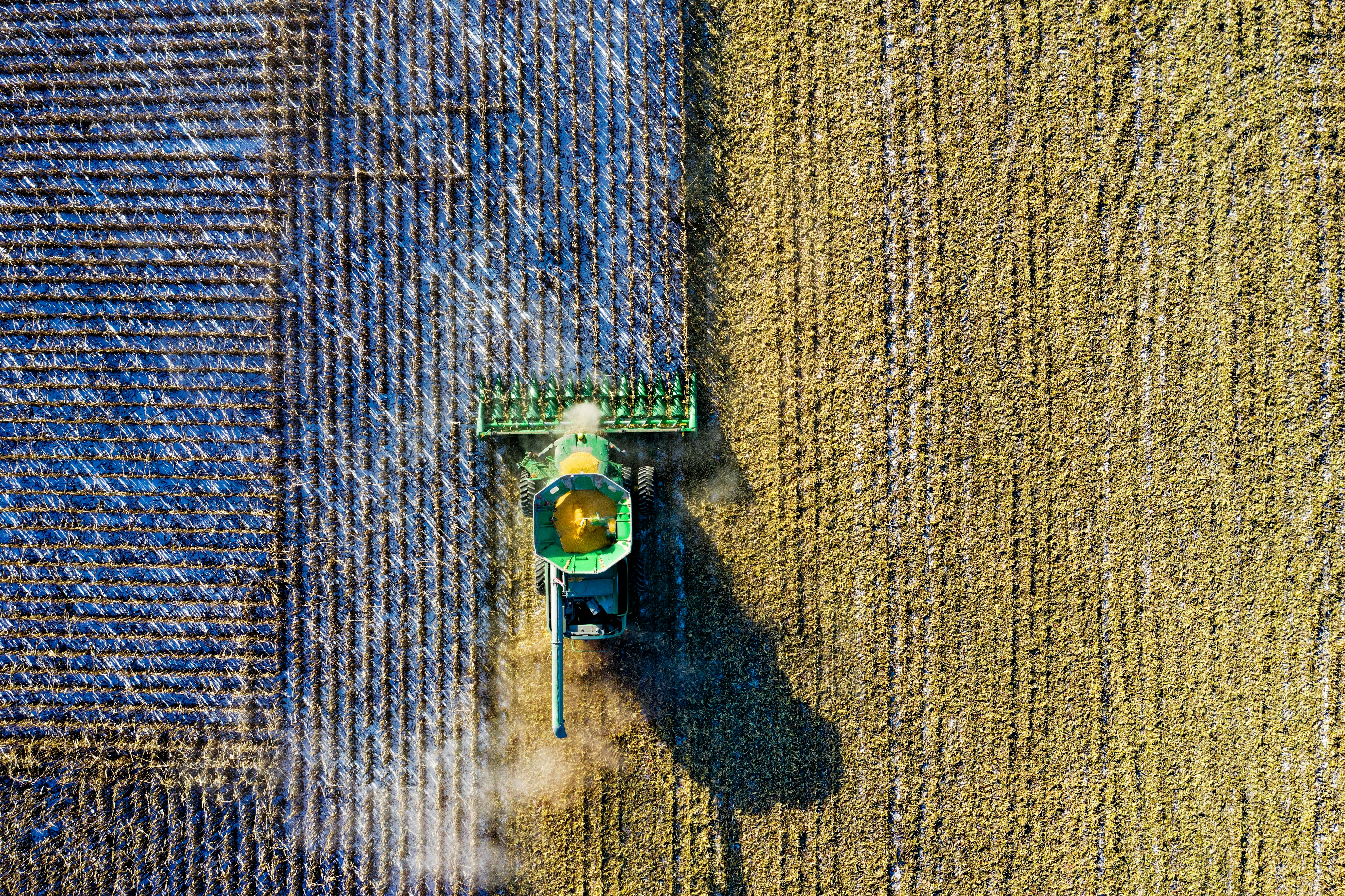
The region's climate is a key factor that enhances farming potential. With mild winters and warm, humid summers, Kentucky creates an ideal environment for a wide range of crops. Notably, the soil types across the state vary, with silt loam being common, which is excellent for growing commodities like soybeans, corn, and tobacco. For those interested in livestock, Kentucky's pastures support cattle, horses, and poultry, making these popular choices.

When considering a small farm, location matters. Kentucky's unique blend of urban accessibility and rural charm makes it appealing for those wanting to balance farm life with nearby city conveniences. The farming community in Kentucky is vibrant and welcoming, offering a supportive network for newcomers. Here are a few points to consider when looking at small farms in Kentucky:

  • Evaluate the soil type to match your farming interests.

  • Consider proximity to markets if you plan to sell produce or livestock.

  • Research local support from farming associations and co-ops.

Exploring these elements will provide insight into the diverse opportunities for small farms in Kentucky, helping you determine if this path aligns with your goals.

Financial Considerations and Potential Returns

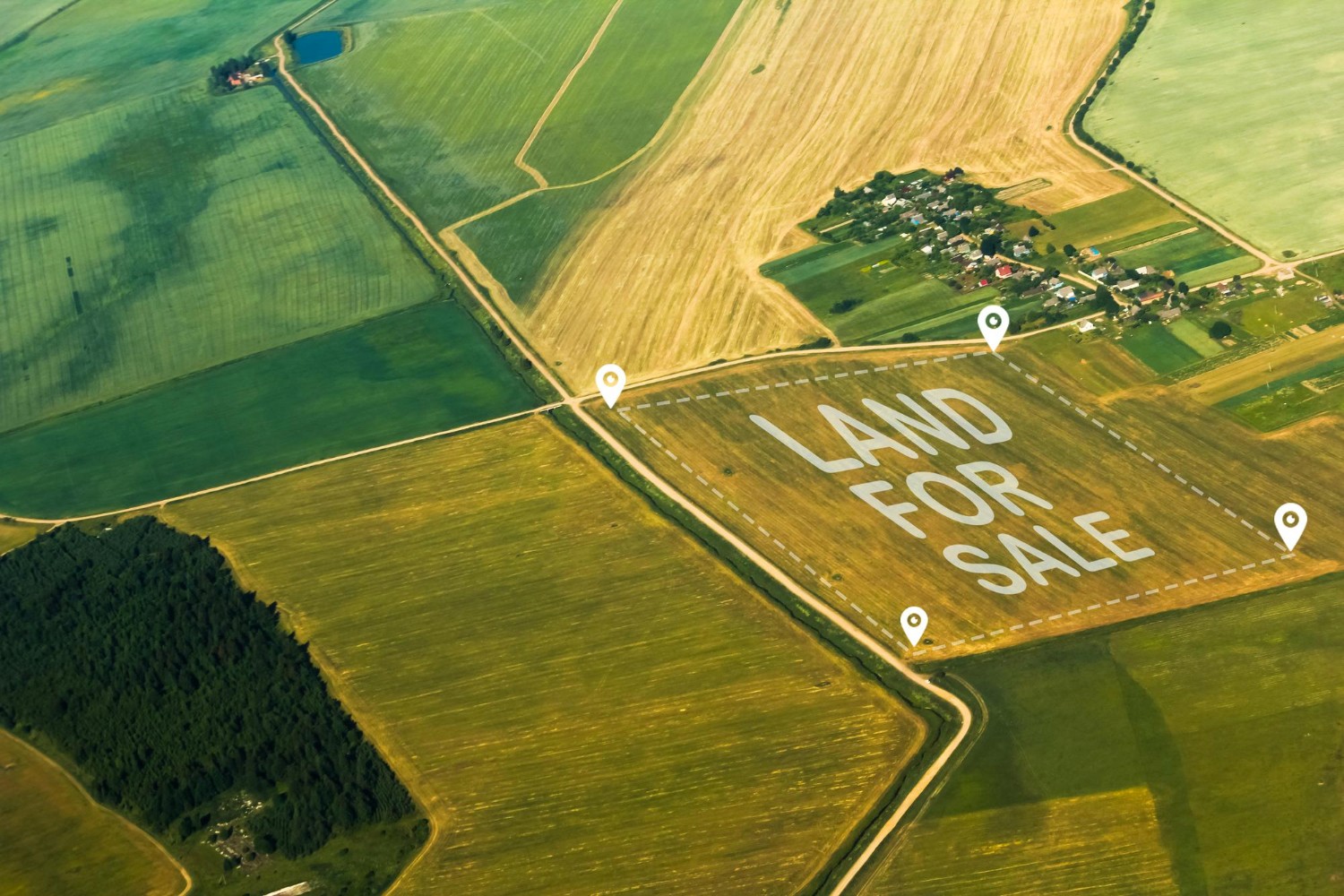
Owning a small farm in Kentucky requires thoughtful financial planning. The initial purchase price of farmland can vary greatly depending on location, soil quality, and acreage. It's a significant investment, and potential buyers should consider the upfront expenses associated with purchasing land. Besides the land cost itself, there are also legal fees, land surveys, and other initial costs to budget for.

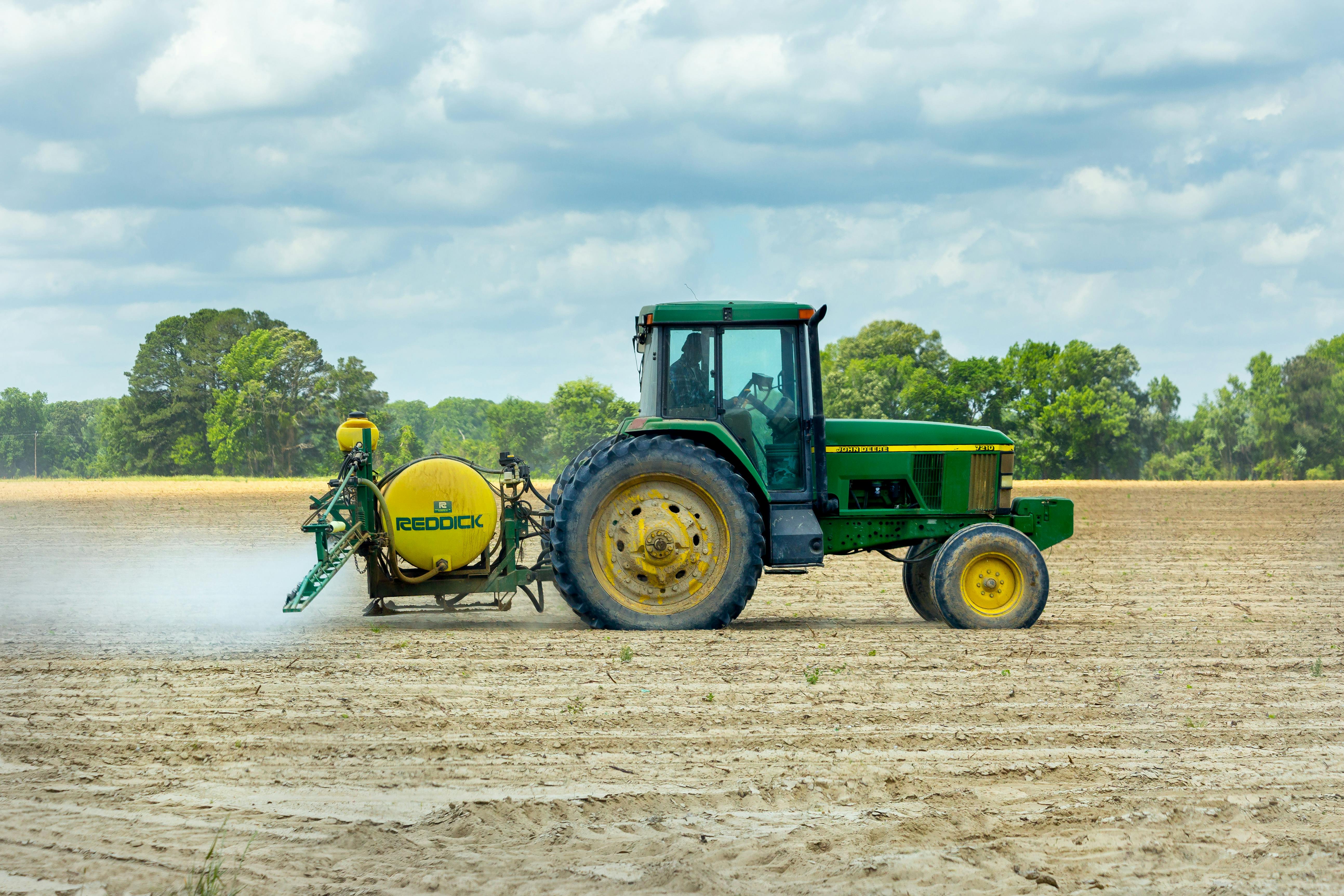
Once you've purchased your farm, you'll encounter ongoing expenses. These include things like machinery maintenance, seeds, fertilizers, and irrigation. Not to mention, there are also utility bills and wages if you hire farmhands. Planning for such expenses is key to running a successful small farm.

However, there are multiple ways small farms in Kentucky can generate income:

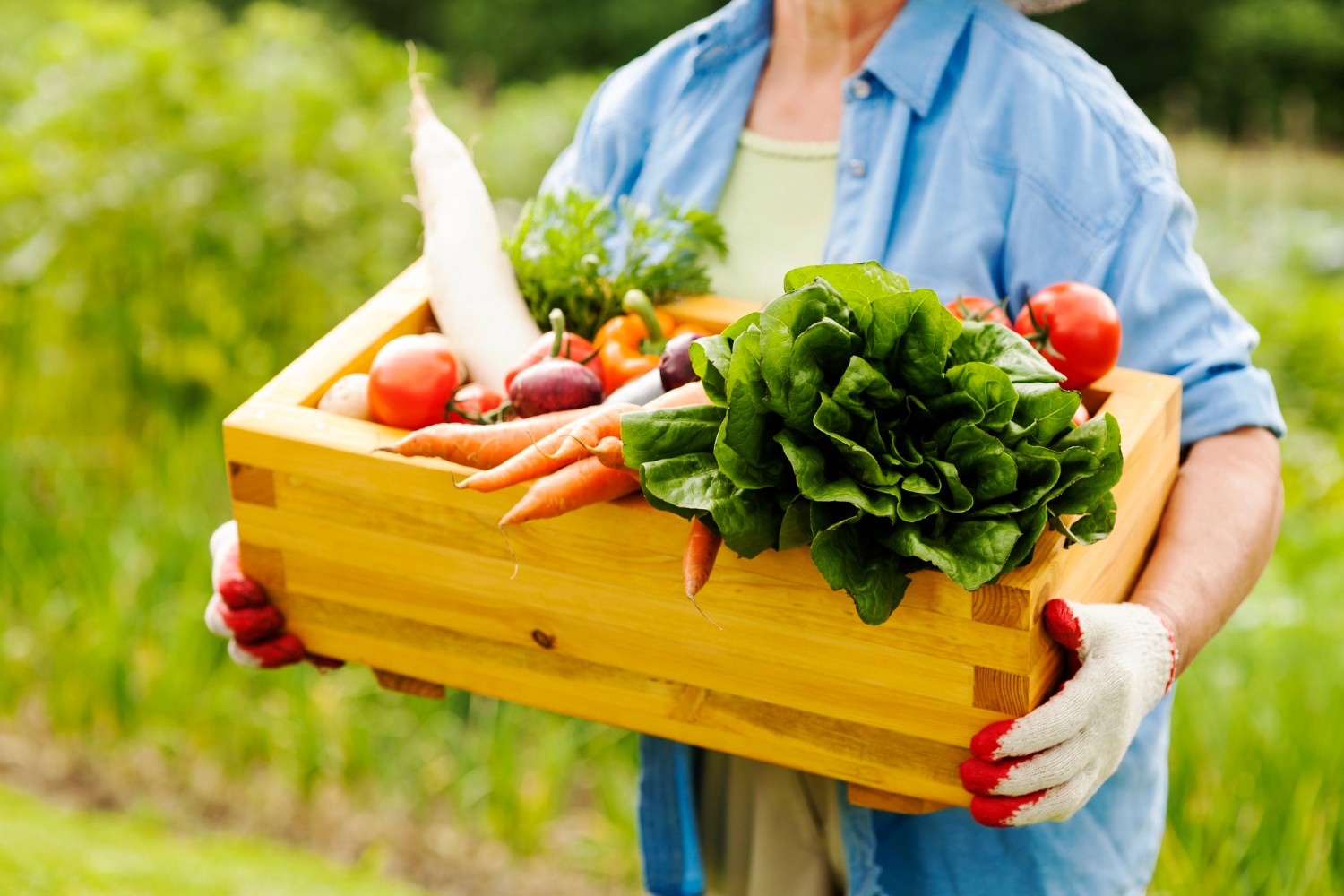
  • Agriculture: Growing crops like soybeans, corn, and vegetables can be profitable if managed well.

  • Livestock: Raising cattle, poultry, or goats provides reliable income streams.

  • Agritourism: Some farm owners diversify income by offering farm tours or hosting events on their property.

By carefully considering these financial aspects and planning accordingly, budding farm owners can position themselves to profit while enjoying the benefits of rural life.

Challenges of Owning a Small Farm

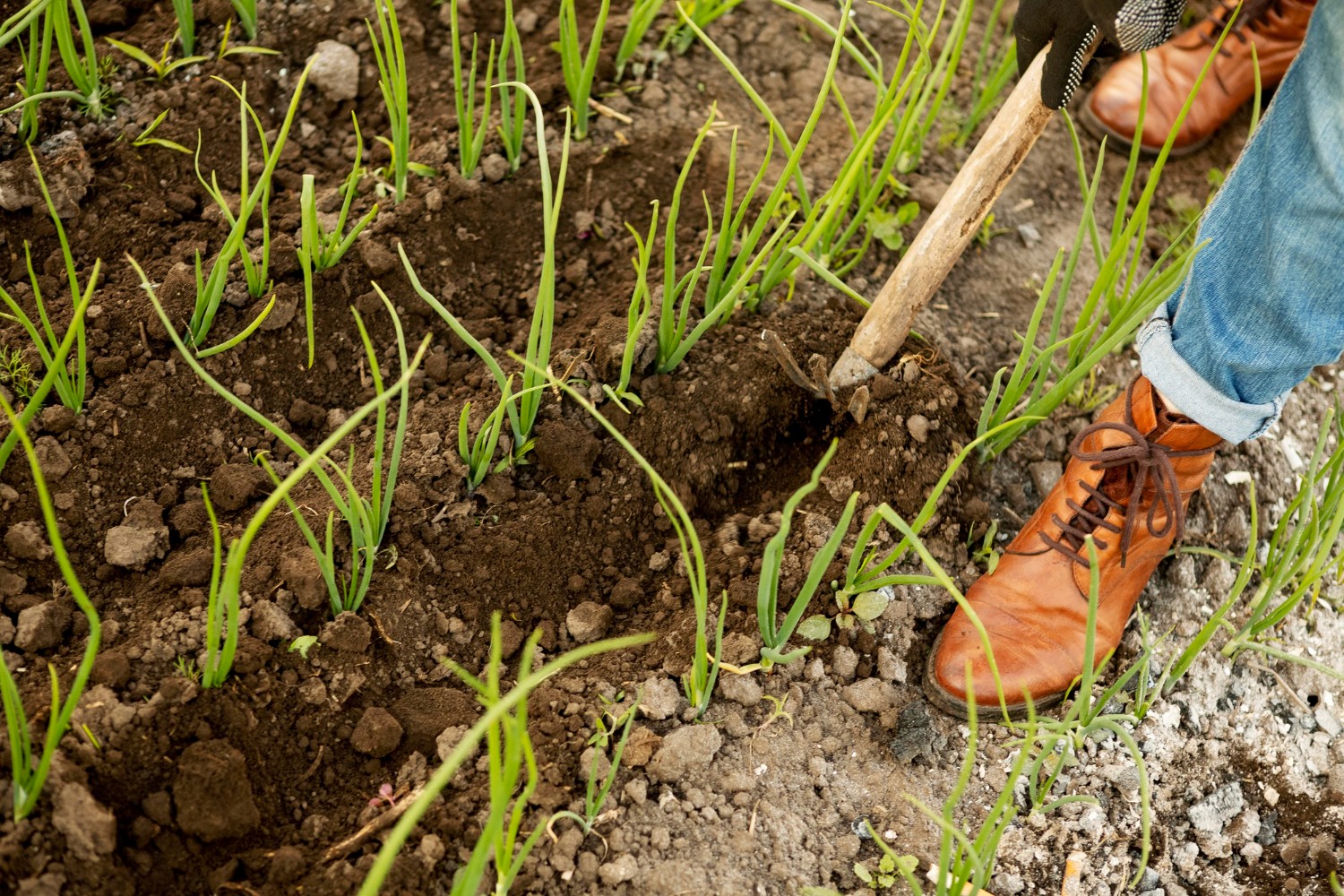
The idea of owning a small farm is undoubtedly appealing, but it's important to understand the challenges that come with it. For starters, farming demands significant physical labor. Tasks such as planting, harvesting, and raising animals are constant, requiring dedication and resilience.

Weather also plays a major role in farming success. While Kentucky's climate is generally favorable, unexpected weather conditions like droughts or heavy rain can affect crop yields and livestock health. Pests and diseases pose additional concerns, necessitating effective pest management strategies to protect your investment.

Furthermore, owning a farm comes with legal and regulatory responsibilities. You need to be aware of zoning laws, environmental regulations, and livestock welfare standards. Navigating these rules can be challenging but is essential for compliant and successful farming.

Community and Lifestyle Factors

Life on a small farm in Kentucky promises a unique and rewarding lifestyle. The rural setting offers peace and tranquility, a welcome change from the hustle of city life. Living close to nature enhances well-being while providing ample outdoor activity opportunities.

Joining local farming networks and cooperatives can bring tremendous benefits. These groups offer support, resources, and a sense of community that helps many new farmers thrive. Networking with other farmers can lead to collaboration opportunities and shared learning experiences.

However, balancing farm work with personal life is an art form in itself. Farm management requires time and commitment, which might blur the lines between work and leisure. Accepting this balance is crucial for maintaining a fulfilling lifestyle on the farm.

As you think about whether a small farm in Kentucky suits your aspirations, it's vital to reflect on these factors. The joys of rural living, combined with practical farming knowledge, can open the door to a rewarding new chapter in the Bluegrass State.

If you're excited about starting your farming venture and want some help navigating the journey, Dirk Ricke is here to support you. For expert guidance and personal assistance in finding land that suits your goals, take a look at our Kentucky small farms for sale to see what opportunities are available.

Thinking about starting a small farm in Kentucky? This decision can lead to a rewarding lifestyle change, bringing you closer to nature and offering a new way of life. Owning a small piece of land with endless possibilities is something many people dream about. But before jumping into such an endeavor, it's crucial to weigh the advantages and considerations involved.

Kentucky offers a beautiful backdrop for small farms, attracting those who want to dive into agriculture or simply enjoy a rural lifestyle. With its lush landscapes and rich soil, it's easy to see the charm. Owning a small farm here isn't just about picturesqueness; it includes the tangible benefits of self-sufficiency, farming opportunities, and connection to a rich agricultural community. Let's explore whether a small farm in Kentucky is the right fit for you.

Understanding the Landscape of Kentucky Small Farms

Kentucky is well-known for its diverse range of small farms. From the rolling hills of the Bluegrass Region to the fertile lands of Western Kentucky, there's a variety of farm types available. This state embraces many agricultural activities, providing options to those interested in crop farming, livestock raising, or even engaging in niche markets like organic farming.

The region's climate is a key factor that enhances farming potential. With mild winters and warm, humid summers, Kentucky creates an ideal environment for a wide range of crops. Notably, the soil types across the state vary, with silt loam being common, which is excellent for growing commodities like soybeans, corn, and tobacco. For those interested in livestock, Kentucky's pastures support cattle, horses, and poultry, making these popular choices.

When considering a small farm, location matters. Kentucky's unique blend of urban accessibility and rural charm makes it appealing for those wanting to balance farm life with nearby city conveniences. The farming community in Kentucky is vibrant and welcoming, offering a supportive network for newcomers. Here are a few points to consider when looking at small farms in Kentucky:

  • Evaluate the soil type to match your farming interests.

  • Consider proximity to markets if you plan to sell produce or livestock.

  • Research local support from farming associations and co-ops.

Exploring these elements will provide insight into the diverse opportunities for small farms in Kentucky, helping you determine if this path aligns with your goals.

Financial Considerations and Potential Returns

Owning a small farm in Kentucky requires thoughtful financial planning. The initial purchase price of farmland can vary greatly depending on location, soil quality, and acreage. It's a significant investment, and potential buyers should consider the upfront expenses associated with purchasing land. Besides the land cost itself, there are also legal fees, land surveys, and other initial costs to budget for.

Once you've purchased your farm, you'll encounter ongoing expenses. These include things like machinery maintenance, seeds, fertilizers, and irrigation. Not to mention, there are also utility bills and wages if you hire farmhands. Planning for such expenses is key to running a successful small farm.

However, there are multiple ways small farms in Kentucky can generate income:

  • Agriculture: Growing crops like soybeans, corn, and vegetables can be profitable if managed well.

  • Livestock: Raising cattle, poultry, or goats provides reliable income streams.

  • Agritourism: Some farm owners diversify income by offering farm tours or hosting events on their property.

By carefully considering these financial aspects and planning accordingly, budding farm owners can position themselves to profit while enjoying the benefits of rural life.

Challenges of Owning a Small Farm

The idea of owning a small farm is undoubtedly appealing, but it's important to understand the challenges that come with it. For starters, farming demands significant physical labor. Tasks such as planting, harvesting, and raising animals are constant, requiring dedication and resilience.

Weather also plays a major role in farming success. While Kentucky's climate is generally favorable, unexpected weather conditions like droughts or heavy rain can affect crop yields and livestock health. Pests and diseases pose additional concerns, necessitating effective pest management strategies to protect your investment.

Furthermore, owning a farm comes with legal and regulatory responsibilities. You need to be aware of zoning laws, environmental regulations, and livestock welfare standards. Navigating these rules can be challenging but is essential for compliant and successful farming.

Community and Lifestyle Factors

Life on a small farm in Kentucky promises a unique and rewarding lifestyle. The rural setting offers peace and tranquility, a welcome change from the hustle of city life. Living close to nature enhances well-being while providing ample outdoor activity opportunities.

Joining local farming networks and cooperatives can bring tremendous benefits. These groups offer support, resources, and a sense of community that helps many new farmers thrive. Networking with other farmers can lead to collaboration opportunities and shared learning experiences.

However, balancing farm work with personal life is an art form in itself. Farm management requires time and commitment, which might blur the lines between work and leisure. Accepting this balance is crucial for maintaining a fulfilling lifestyle on the farm.

As you think about whether a small farm in Kentucky suits your aspirations, it's vital to reflect on these factors. The joys of rural living, combined with practical farming knowledge, can open the door to a rewarding new chapter in the Bluegrass State.

If you're excited about starting your farming venture and want some help navigating the journey, Dirk Ricke is here to support you. For expert guidance and personal assistance in finding land that suits your goals, take a look at our Kentucky small farms for sale to see what opportunities are available.

Ready to talk about Farmland?

Ready to talk about Farmland?

Dirk Ricke

Dirk Ricke

Indiana, Kentucky, Ohio Licensed Broker

Indiana, Kentucky, Ohio Licensed Broker

Blog Articles

Blog Articles

land for sale
land for sale

Hidden Problems in Kentucky Land for Sale by Owner: Buyer Beware

Dirk Ricke
Nov 7, 2025

Read the Article

Why Kentucky Ranches for Sale Make Exceptional Investment Properties

Dirk Ricke
Nov 3, 2025

Read the Article

farm management
farm management

Why Farms Fail Without Proper Farm Management Services: Warning Signs

Dirk Ricke
Oct 28, 2025

Read the Article

corn farm
corn farm

A Historical Perspective of the Rising Cost of Producing an Acre of Corn

Dirk Ricke
Oct 28, 2025

Read the Article

horse on a ranch
horse on a ranch

Infrastructure Problems to Look for When Buying a Ranch in Ohio

Dirk Ricke
Oct 20, 2025

Read the Article

water in farmland
water in farmland

Water Rights Issues When Buying Farmland: What You Need to Know

Dirk Ricke
Oct 13, 2025

Read the Article

young farmer
young farmer

The Classic Dilemma. Start Farming Young or Wait?
Dirk Ricke
Oct 27, 2025

Read the Article

How Rainfall and Weather Patterns Influence Midwest Farmland Values

Dirk Ricke
Oct 27, 2025

Read the Article

land
land

From Earth to Equity: A Brief Look At The History of Land

Dirk Ricke
Oct 27, 2025

Read the Article

farmland
farmland

Maximizing Land Value: The Power of Land Auctions and How They Benefit Sellers and Buyers Alike

Dirk Ricke
Oct 6, 2025

Read the Article

farmer shoveling soil

Understanding Soil Types and Productivity: What Every Farmland Buyer Should Know

Dirk Ricke
Oct 6, 2025

Read the Article

farmland
farmland

Understanding Legacy Nutrient Deductions™: A Smart Strategy for Farmland Owners

Dirk Ricke
Oct 6, 2025

Read the Article

farmland
farmland

The Hidden Burden: What It Really Takes to Protect Farmland Today

Dirk Ricke
Oct 6, 2025

Read the Article

What It Really Takes to Protect Farmland Today

Dirk Ricke
Sep 11, 2025

Read the Article

Farming Success: Tips for New Farmers

Dirk Ricke
Jul 25, 2025

Read the Article

Empowering Young Farmers for a Sustainable Future

Dirk Ricke
Jul 21, 2025

Read the Article

Why Drainage Tile Is a Smart Investment for Agricultural Landowners

Dirk Ricke
Jun 18, 2025

Read the Article

Indiana 1031 Exchange

Simple thoughts on 1031 Exchanges

Dirk Ricke
Jun 17, 2025

Read the Article

What Farmland Brokers Really Do

Dirk Ricke
Jun 16, 2025

Read the Article

Sunset over a field of corn

Fluctuations in Farmland Values Explained

Dirk Ricke
May 23, 2025

Read the Article

upgrade your farm management strategy

Upgrade Your Farm Management Strategy

Dirk Ricke
May 17, 2025

Read the Article

Ready to Buy or Sell Farmland?

Ready to maximize your farmland investment with a broker who truly understands agriculture? Contact Dirk Ricke or fill out the form today to discuss buying, selling, or managing farmland in Indiana, Ohio, and Kentucky.

Buy a Farm

Sell Your Farm

Manage Your Farm

Ready to Buy or Sell Farmland?

Ready to maximize your farmland investment with a broker who truly understands agriculture? Contact Dirk Ricke or fill out the form today to discuss buying, selling, or managing farmland in Indiana, Ohio, and Kentucky.

Buy a Farm

Sell Your Farm

Manage Your Farm

Ready to Buy or Sell Farmland?

Ready to maximize your farmland investment with a broker who truly understands agriculture? Contact Dirk Ricke or fill out the form today to discuss buying, selling, or managing farmland in Indiana, Ohio, and Kentucky.

Buy a Farm

Sell Your Farm

Manage Your Farm