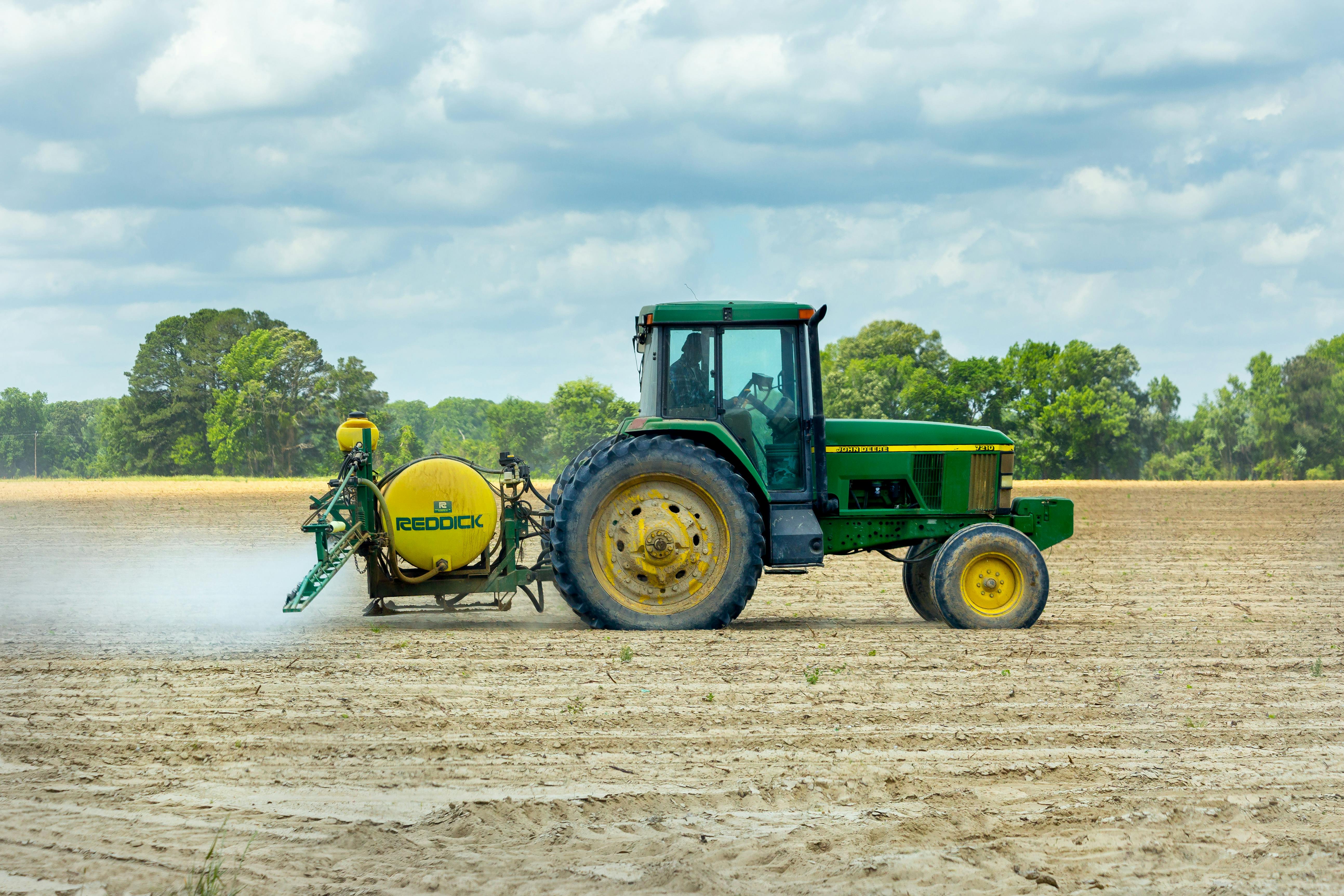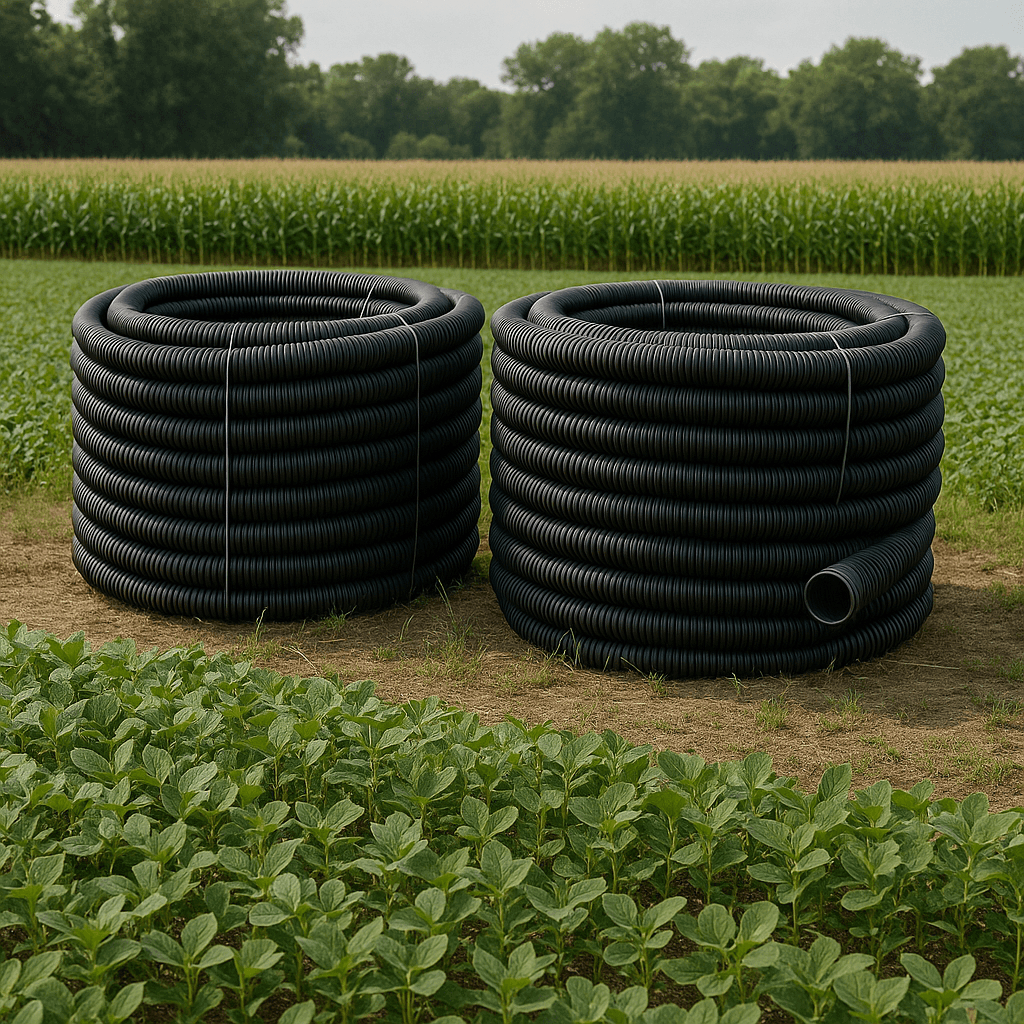
As winter begins to fade across Indiana, Ohio, and Kentucky, farms start shifting their focus toward planting season. This is a busy stretch of time where early planning helps the rest of the year go smoother. We use these last cold weeks to make decisions, line up tasks, and prepare the land for everything that's coming.
Spring might not be here just yet, but it’s close enough that we don't want to fall behind. Farm management services start moving parts into place now, helping organize what needs to happen before the fields are ready. Once planting starts, days fill up fast, so we count on this stretch to set things in motion.
Prepping the Land Ahead of Planting
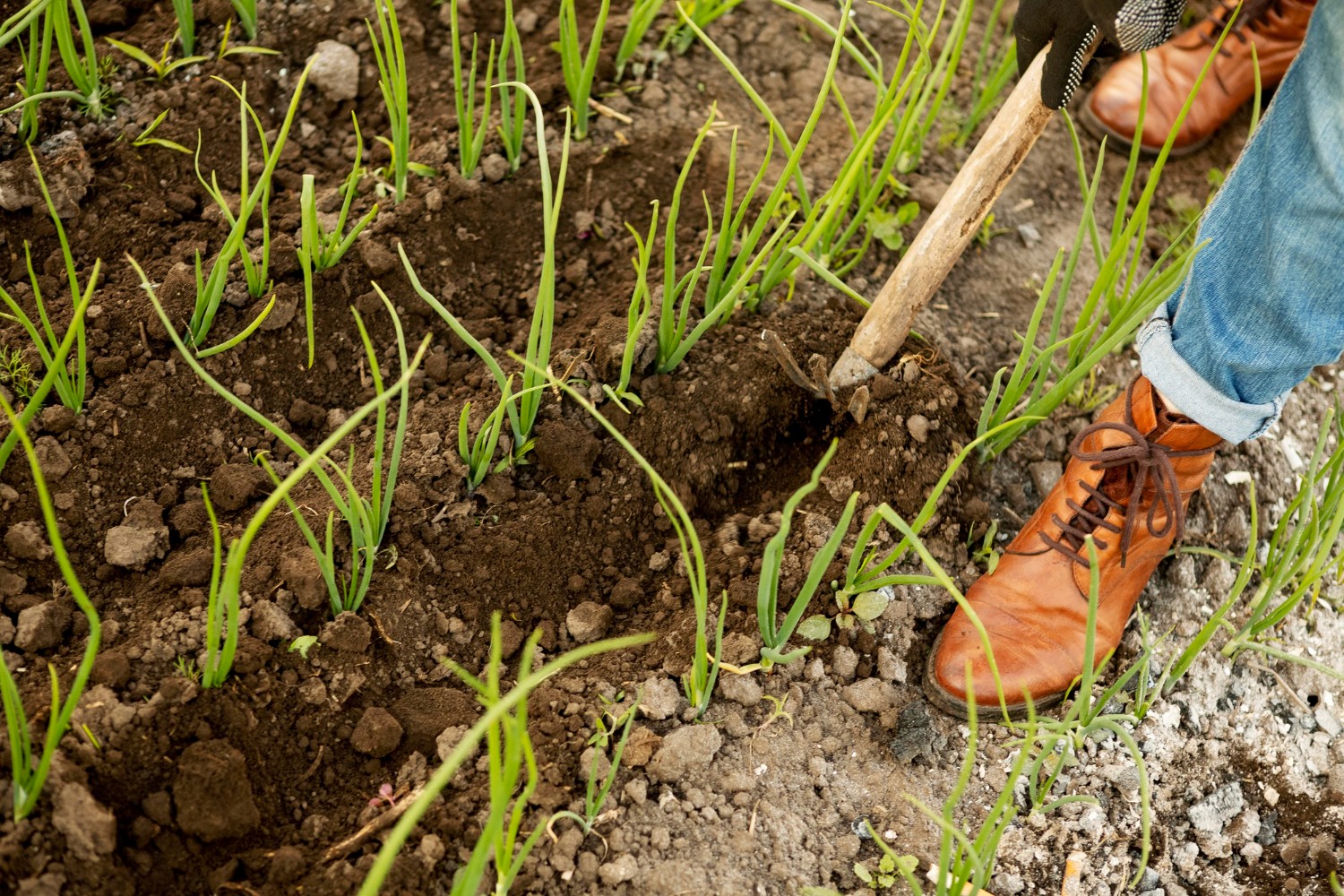
Before anything gets planted, we need to understand what the ground is ready for. Soil testing usually happens now, while the fields are still resting. Taking those samples helps us decide which nutrients we might need to add when the time comes.
We also watch how the ground reacts as it begins to thaw. Some areas drain well. Others hold water. A quick check on how the field handles runoff helps us avoid issues once equipment starts moving across the surface.
Every field is different, so we adjust tillage or residue plans based on how things were left after harvest. Whether we’re looking at no-till, strip-till, or a full pass, figuring out a plan early makes it easier to act once the conditions are right.
Reviewing and Updating Crop Plans
This is when we take a good look at our crop layout. Picking which crop goes where isn’t about guessing. We use rotation goals, field history, and sometimes seed availability to set a plan that gives each acre its best shot.
Sometimes the original plan needs a few changes. Market needs shift. Input options change. We look at each field piece by piece, adjusting as needed. That way we don’t show up in April trying to make last-minute choices and hoping for the best.
Having a map of what we want to do, and a backup if something shifts, helps us lead into the season with fewer surprises. It also gives us time to get what we need in terms of seed, supplies, and support.
As part of our farm management services, we develop customized crop rotation plans for property owners across Indiana, Ohio, and Kentucky, considering each field’s past yields, local market trends, and soil data.
Equipment Checks and Field Access Readiness
We don’t want to find out something’s broken the same day we need it in the field. March is when we check bearings, tires, and electronics on each piece of equipment. A quick walkthrough now could save a lost day later.
Along with the machinery, we check the paths that lead into and around the fields. Snow, ice, or heavy rains might have made a mess. Repairing entryways, field roads, and storage zones keeps us from getting stuck or wasting time hunting for fuel or tools once planting starts.
If anything needs fixing, we schedule it now. That includes everything from tire replacements to updating software on precision tools. Every hour spent now is one less delay when planting windows open.
We organize equipment inspections and coordinate repairs with local service providers, reducing downtime for owners and ensuring everything is set when the season changes.
Coordinating with Farm Operators and Tenants
None of the planning matters if everyone isn’t on the same page. This time of year, we have those important conversations with tenants, operators, or other people involved on the ground. We talk through ideas, timelines, and any changes coming up.
Leases may need reviewing. Crop plans may need approvals. Or maybe a new operator is taking over. Planning meetings and updates don’t need to take long, but they make sure the season gets off to a clean start.
Good communication now avoids confusion later. If we’re clear about who’s doing what and when, then everyone can focus on farming instead of sorting out paperwork or chasing missing details.
Remembering these conversations helps keep expectations and timelines aligned. In some cases, it can reveal possible issues with agreements or schedules before they turn into real problems. By making space for these check-ins, we make sure everyone is comfortable moving into a new season with all the right information.
Field Records, Maps, and Compliance Plans
Ahead of spring, we like to have our records in order. That means reviewing yield data from last year, checking field maps, and lining up anything we need for regulatory tasks or certifications.
Each year, we learn more from what our fields did the year before. We use that data to shape where we plant, what we apply, and when we do it. Some fields are ready for a repeat. Others may call for something new.
We also double-check GPS boundaries and entry logs for equipment paths, especially if we’re using precision systems. For land tied to conservation programs or inspections, getting the documentation lined up now avoids rushed uploading or last-minute surprises.
For clients who use our services, we handle reporting requirements, document field activity, and prepare compliance paperwork for both federal and state programs, so deadlines are met and records are accurate.
Keeping these records up-to-date also helps us answer questions quickly if something comes up with inspectors or in conversations with land partners. With strong documentation, we are able to track improvements, crop changes, and shifts in field health, giving us a stronger view of what to expect moving ahead.
Setting the Stage for Spring Success
The routine of farming changes with the seasons, and late winter is all about preparation. These weeks set the tone for how the rest of the year starts. Waiting too long can mean missed steps or rushed choices right when every day counts.
When we handle soil testing, equipment checks, and field planning early, we walk into spring more confident about what’s ahead. By using farm management services now, we keep things running on time and avoid playing catch-up when it's already too late.
This quiet stretch won't last forever. But what we do with it helps us start strong, so we’re not trying to scramble once the season shifts into full speed.
Spring brings new opportunities but also fresh challenges. Instead of being surprised, we do what needs doing now, knowing it all pays off not just at planting but at harvest, too. Building good routines around preparation is how we keep our farms ready to grow, year after year.
Staying organized before the season begins is key for a smooth transition from winter to spring. At Farmland by Dirk, we prepare by checking equipment, reviewing field data, and collaborating with partners to minimize last-minute issues. The right support can keep your farm on schedule, which is why so many producers trust our farm management services to help them achieve their goals year after year. Ready to discuss your farmland plans? Dirk Ricke is here to help.