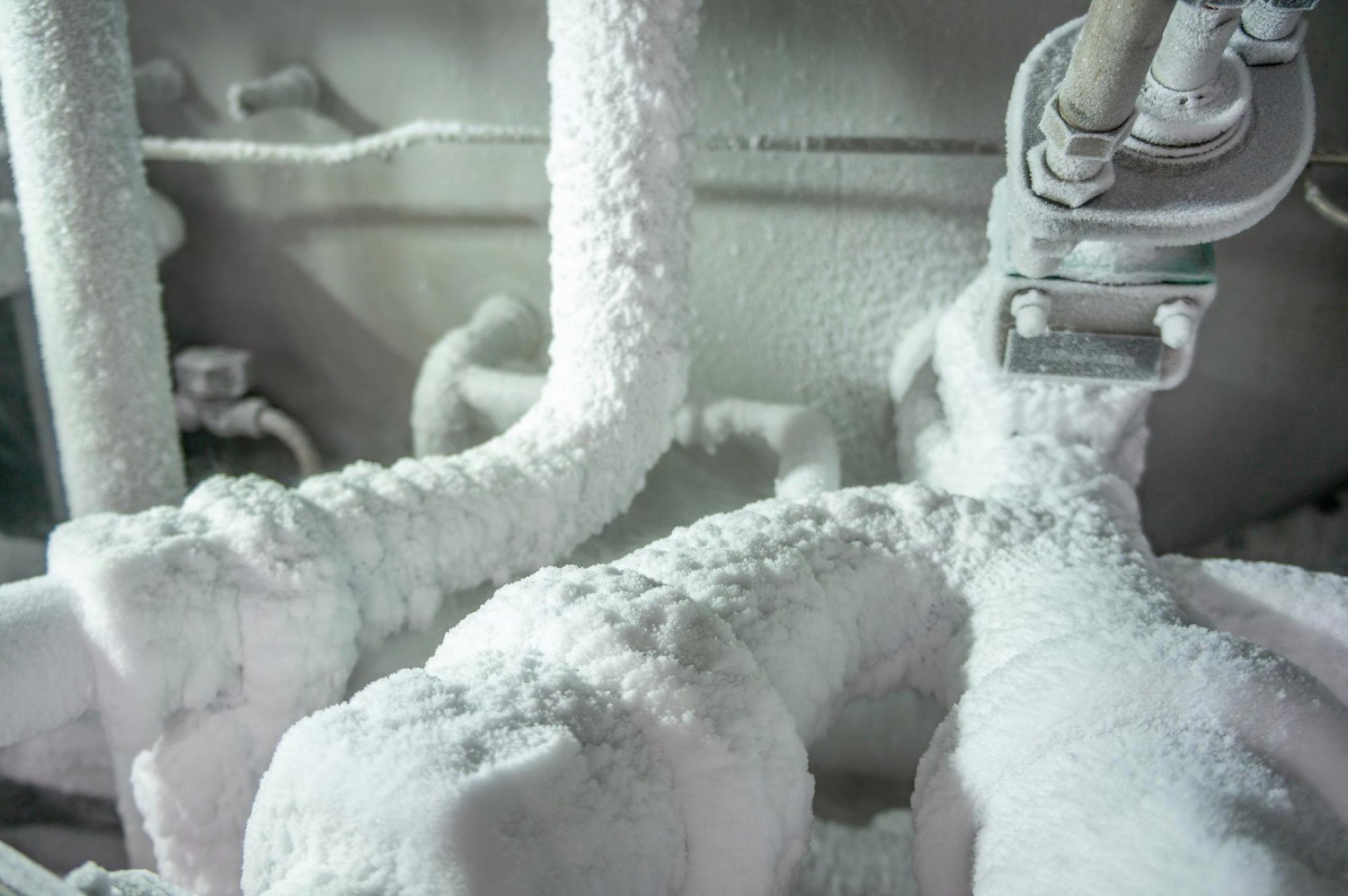
Winter can be a challenging season for farms, especially when unexpected cold spells lead to frozen pipes. Proper management during these months ensures that every aspect of the farm continues to run smoothly. When waterlines freeze, they can burst, causing significant damage and disrupting essential operations. This scenario highlights the importance of winter preparation, focusing on keeping pipes from freezing.
Recognizing the complexity and unique nature of farm environments, it’s essential to develop strategies that prevent these winter woes. By engaging with farm management experts, property owners can better understand the potential risks and implement effective solutions tailored to their needs. Understanding the science behind frozen pipes and taking preventative action can lead to a seamless winter for farms throughout Indiana, Ohio, and Kentucky.
Understanding the Risks of Frozen Pipes
Frozen pipes might seem like just another winter nuisance, but for farms, they pose serious threats. When water within the pipes freezes, it expands. This expansion can cause the pipes to crack or burst, leading to major water damage and interruption in water supply. Livestock, crops, and daily operations all rely on a constant supply of water, making the prevention of frozen pipes a priority.
Indiana, Ohio, and Kentucky are no strangers to freezing winter temperatures. These regions often experience cold spells that can catch farm owners unprepared, leading to disastrous consequences. A typical example is the sudden temperature drop after a mild day. If waterlines are not properly insulated or protected, they might freeze overnight. Farm owners, therefore, need to consider the local climate and adapt their prevention strategies accordingly.
In addition to temperature risks, rural farms may also face unique challenges. These could include longer exposure times for pipework in outdoor settings or less frequent check-ups in remote areas. This geographical factor makes it even more pertinent for farms in these states to prioritize and actively engage in prevention methods before the chill sets in. Addressing these risks head-on forms the foundation for efficient farm management throughout the colder months.
Preventative Measures for Frozen Pipes
Preventing frozen pipes is a proactive task that involves several key strategies. First, insulating pipes is a straightforward and effective method. There are various techniques and materials, such as foam sleeves or heat tape, which can wrap around pipes to keep the cold out. This is especially useful for pipes located in unheated areas like barns or outdoor sheds where temperatures can plummet quickly.
Managing indoor temperatures also plays a vital role in prevention. Keeping spaces warm by using heaters effectively can help maintain a stable environment. Make sure that the area near your pipes stays well above freezing, as even a little warmth can significantly reduce the risk of freezing. Checking seals on doors and windows can also prevent drafts that might affect indoor temperatures.
Regular maintenance should never be overlooked. Crews should inspect for leaks and other vulnerabilities before winter takes hold. These inspections can identify weak spots in the system where cold air might seep in. Addressing potential issues before the cold sets in can make a tremendous difference, providing peace of mind and ensuring continued operation during the colder months.
Emergency Solutions for Frozen Pipes
If pipes do freeze, knowing the right steps can prevent further damage. The first action is to open the faucets, allowing water to flow when it begins to thaw. This relieves pressure within the system and can prevent pipes from bursting. Using heat safely, like a space heater or even a hairdryer, to gently thaw frozen sections can be effective as well. Always ensure there's a supervised approach when applying heat to avoid any fire risks.
Sometimes, home solutions might not be enough, and that's when knowing when to call in professionals is crucial. If pipes have burst or if efforts to thaw them fail, trained experts can handle the situation with specialized tools and techniques. They provide both the immediate assistance needed in this emergency and advice on future prevention.
Long-Term Winter Farm Management Strategies
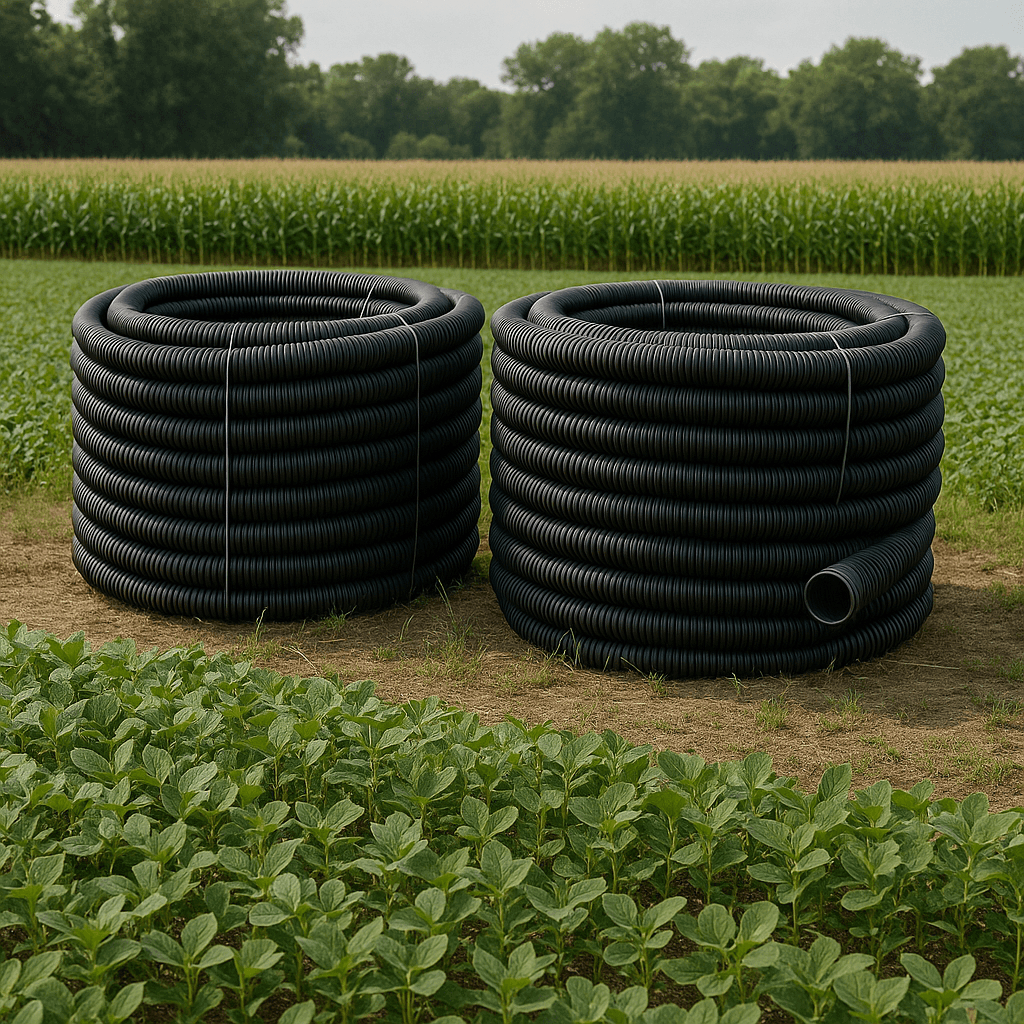
This isn't just about short-term fixes. Implementing long-term solutions ensures farms remain prepared for coming winters. Investing in infrastructure upgrades, like replacing old pipes with freeze-resistant materials, can save time and money down the line. Technology plays a role too, with smart systems and sensors that monitor pipe conditions and prevent freezing before it happens.
You also can't underestimate the importance of ongoing management and routine check-ups. Regular inspections by trained technicians can catch minor issues before they become serious problems. These steps, coupled with an understanding of the unique needs of your farm, lay the groundwork for seamless operations during winter months.
Ensuring a Smooth Winter on Your Farm
Staying proactive with farm management goes a long way in securing your farm's operations against winter's challenges. By prioritizing preventative measures and embracing long-term solutions, you maintain water flow and protect against costly damage. When problems arise, knowledgeable professionals provide necessary support, ensuring that each setback is just a bump in the road rather than a derailment.
Reaching out to experts who understand these local landscapes and climate challenges can make all the difference in keeping your farm running smoothly through winter. Whether it's a quick preventative check or dealing with a winter emergency, having the right guidance ensures your farm continues to flourish even when the temperature drops.
Make sure your farm is ready for winter challenges with expert help. Improving your farm management can make all the difference in keeping things running smoothly during freezing conditions. Dirk Ricke is here to support your goals with experienced guidance and solutions tailored to your land. Reach out today to keep your farm operating strong, no matter the season.