Winter might not be the first season people think of when buying farmland, but February can be one of the best months to go look. If we’re checking out a farm for sale in Ohio, we get to see things that warmer seasons often cover up. The snow, frozen soil, and quiet fields show the property as it really is.
It’s a good time to pause and think about long-term plans too. Before planting begins and schedules fill up, we can look at the land with fresh eyes. What’s working, what’s not, and what kind of future could grow from this spot? Winter gives us those answers, if we know what to look for.
What You Can Learn From an Off-Season Visit
When the crops are gone and the trees are bare, the structure of a farm stands out. That’s why we like touring land during the quieter months. Snow and ice aren’t always comfortable, but they help us see how the place holds up when stress is high.
Drainage becomes very clear in February. Frozen puddles, ice ridges, or muddy tire marks point to low spots or poor sloping.
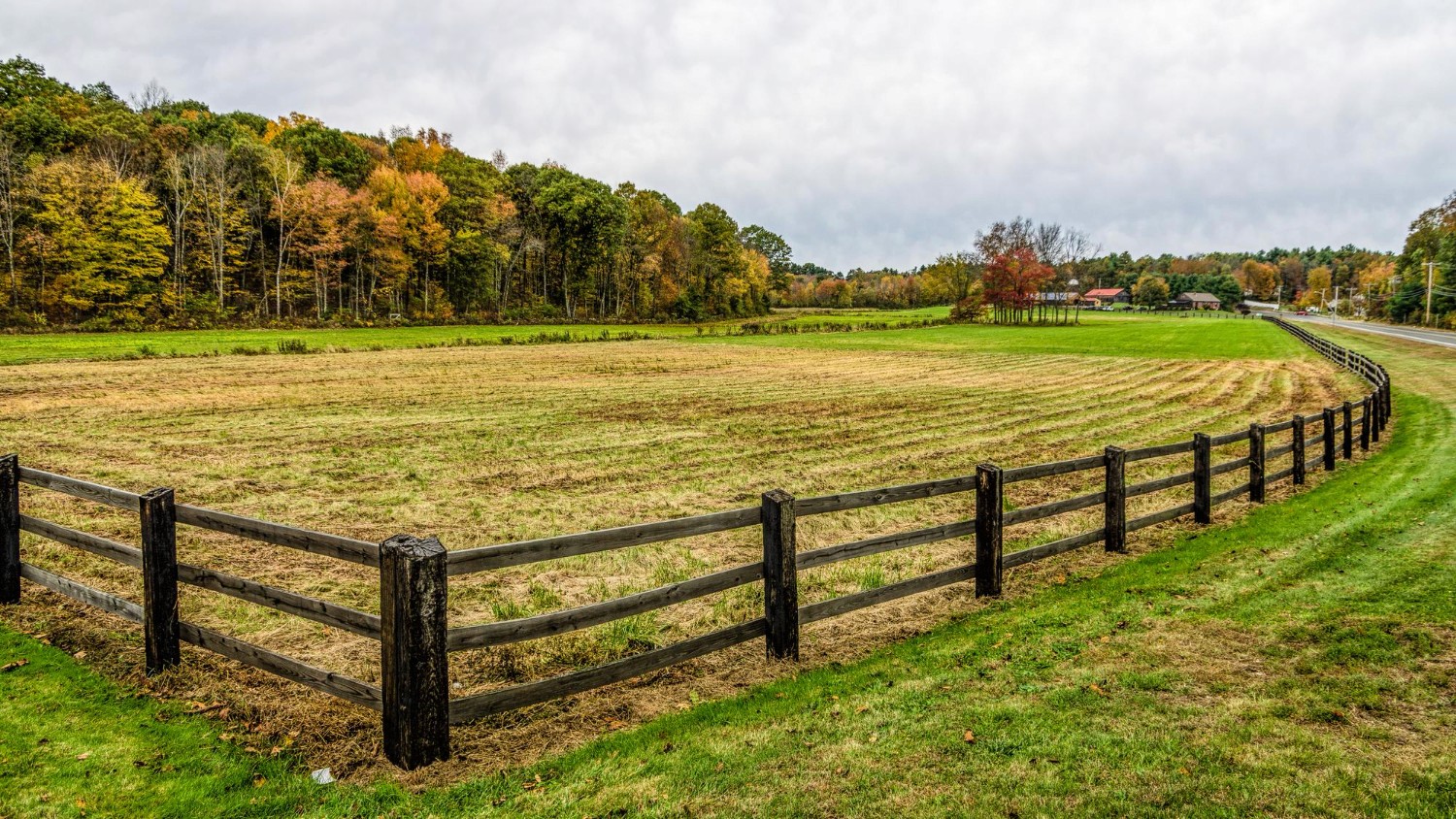
Tree lines, windbreaks, and field boundaries are much easier to see when leaves are off. This gives us a better sense of the land’s shape.
A winter visit reveals the land’s “resting state.” There’s no fresh-cut grass or green rows to distract us. We get a clear picture of what the land looks like between seasons.
These are the solid details we use to understand what we’d be working with. It's not about how pretty the farm looks, but how well it's set up to handle the year-round work.
Visiting in winter provides a different perspective, one that often highlights areas needing attention, but also strengths that might be hidden at other times of year. There is real benefit in seeing how the farm copes when nature is at its toughest; that can translate to fewer unwelcome surprises later.
Winter Viewings Show How a Property Handles Stress
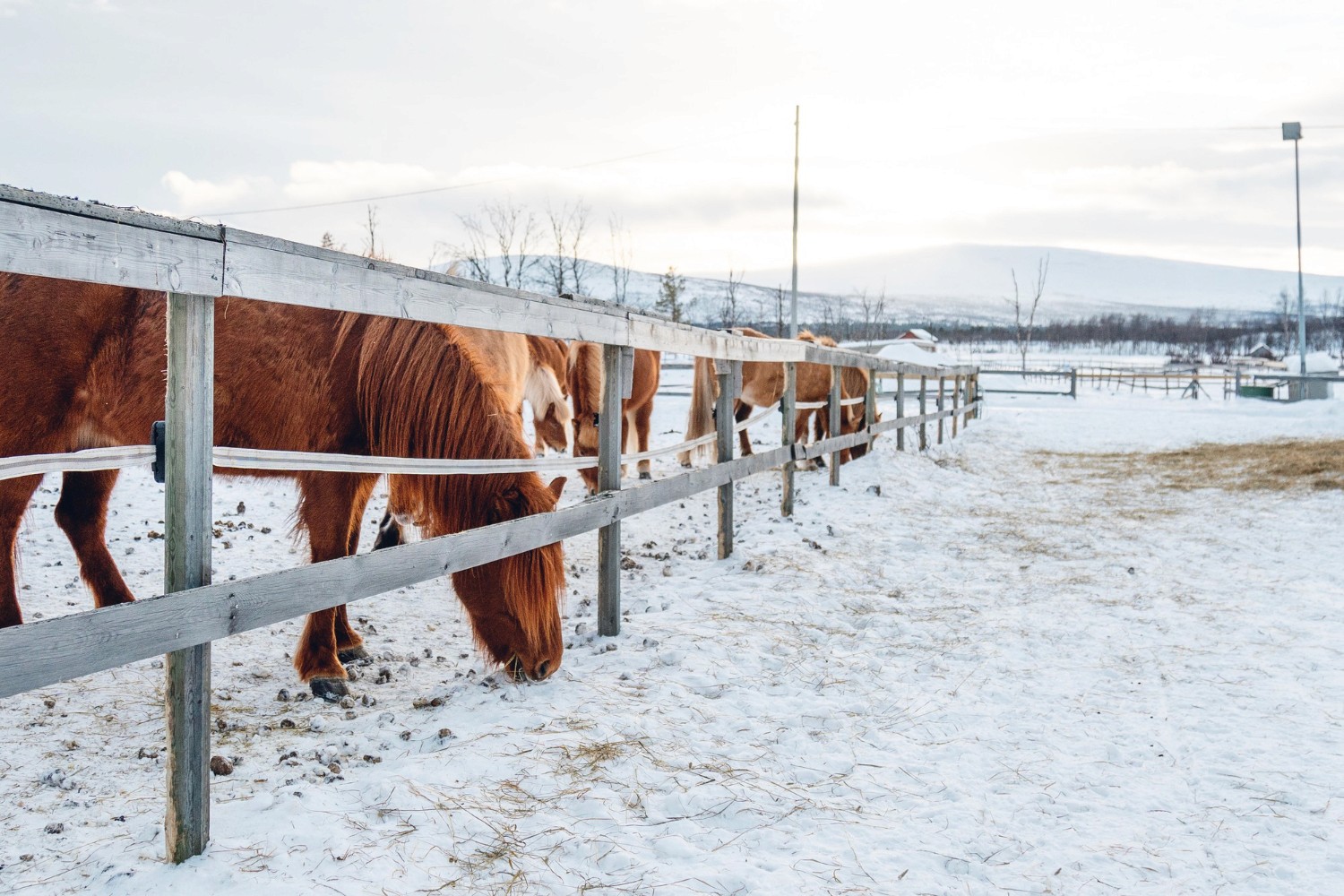
Cold wind, frozen ground, and snowdrifts test a farm’s setup. And in February, we get to look closely at how a property handles all that, not just how it behaves in sunshine.
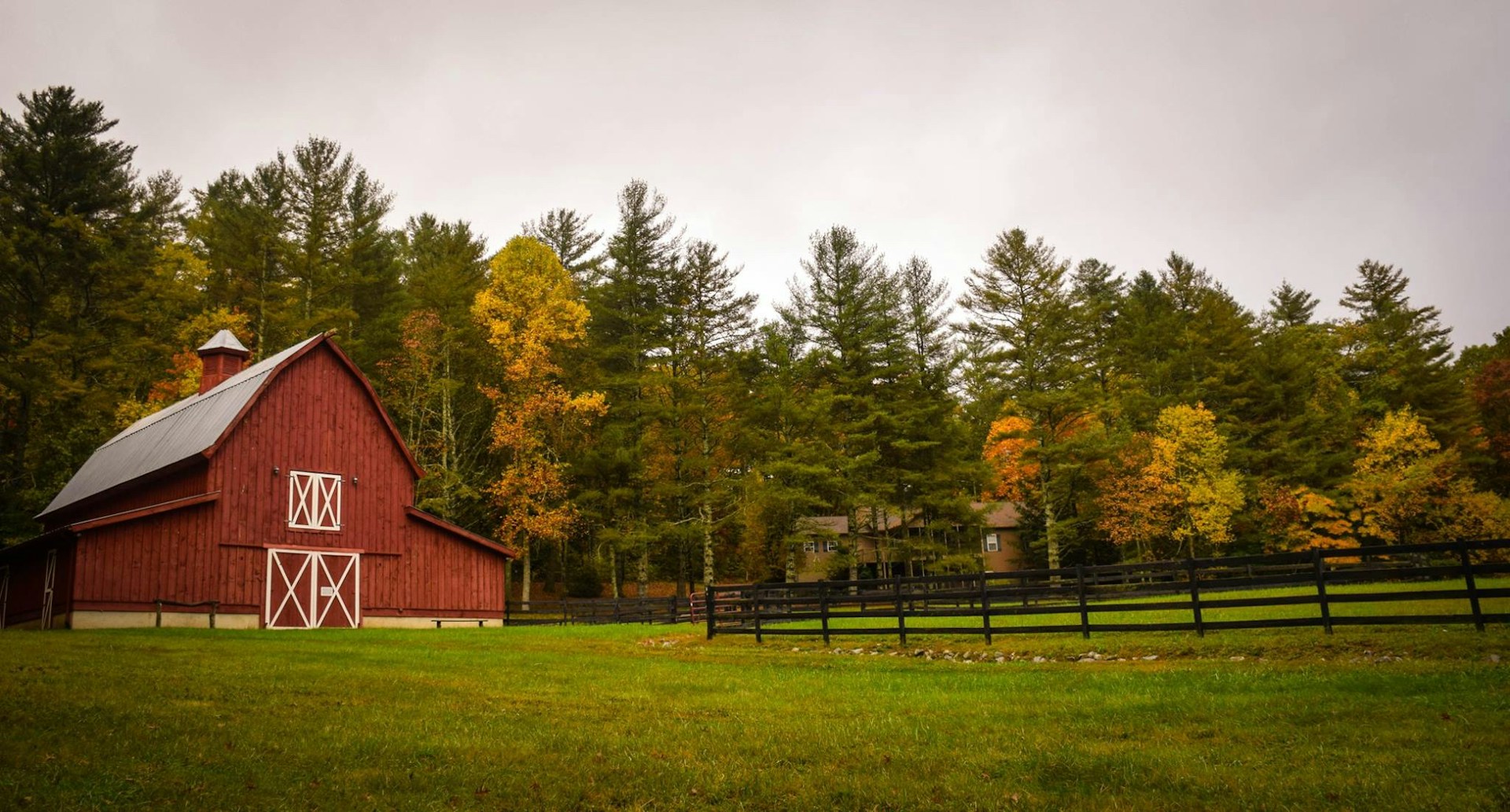
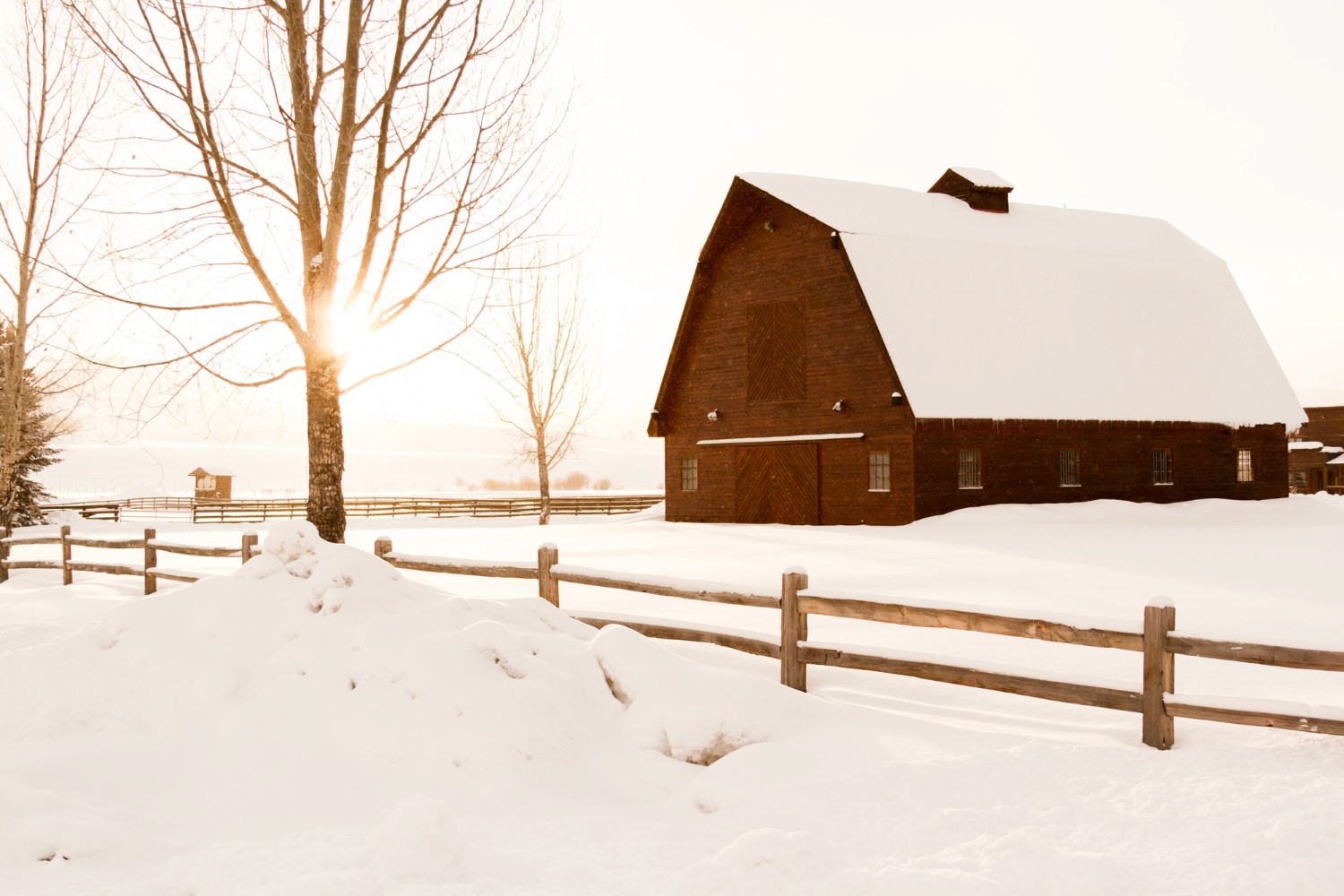
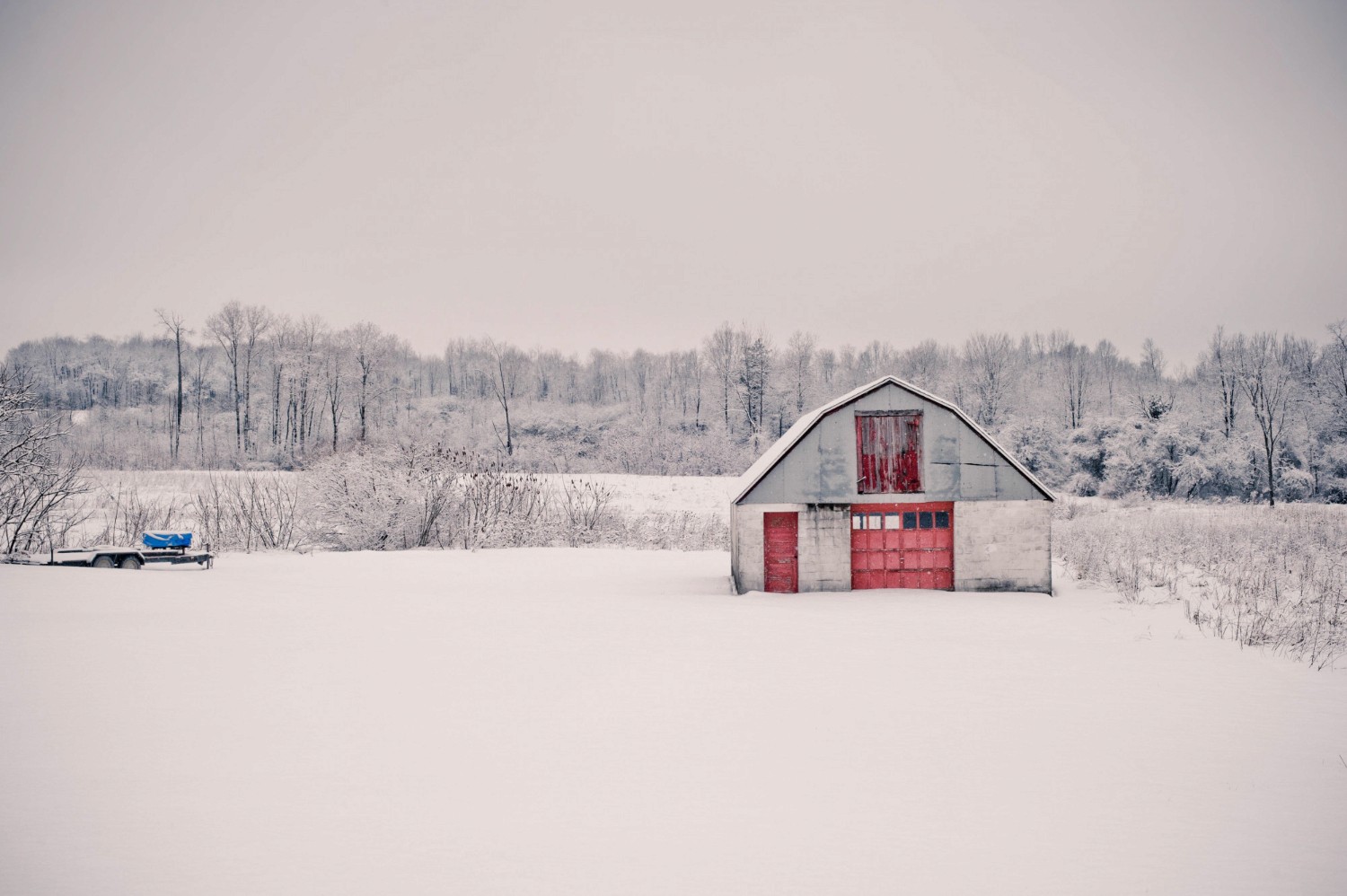
Roof lines, gutters, and seals on barns stand out when there’s frost on them. We can tell if heat is leaking or buildings are holding strong.
It’s easier to inspect water systems and insulation when freeze-thaw cycles are in full swing. Exposed pipes or cracked spigots are visible now.
We make time to check how nearby farms are working through the same conditions. It’s not about comparison, but it helps to understand what’s possible with similar tools and land.
Stress reveals weakness. That can be a helpful thing if we’re looking for clear, honest signs of what the property can handle, and what might need work later.
During these visits, you might also note where snowdrifts collect or how well pastures bounce back after heavy weather. Observing these details in tough weather helps us imagine what maintenance might be needed during the year, making it easier to plan and budget accordingly.
Planning Ahead Without Pressure
Things move slower in February, and that’s a good thing when we’re trying to make big choices. There’s room to think, ask questions, and make plans without feeling rushed into a decision.
Since fewer buyers are visiting farms this time of year, there’s usually more flexibility in scheduling walk-throughs and conversations.
Sellers might be more open to showing the land on short notice or allowing repeat visits. That kind of access matters when we're trying to learn the land.
If we find a good match now, we can move through paperwork and early prep before spring comes. That sets us up for a smoother start when planting time hits.
One key advantage of working with Farmland by Dirk is our expertise in scheduling tours and structuring walkthroughs to maximize your time on the land. We help you see the details that matter and identify opportunities no matter the season.
There’s no real upside to waiting if we find a place that checks our boxes. February gives us time and space to move forward with less outside pressure.
Taking a thoughtful tour now, when the fields are quiet, also allows us to focus on our goals. By handling important steps in the off-season, there is more time to coordinate loans, inspections, and transition plans, so spring won’t catch us off guard.
Signs of Good Stewardship Still Show in the Cold
A field might be bare, but that doesn’t mean it has nothing to show. Even in winter, a smartly managed farm tells us a lot about how the current owners care for the land.
Fence lines stay visible, and if they’re tight and clean in February, chances are they’ve been managed through the rest of the year too.
Ditches that flow and paths that are clear of snow or debris show someone stayed on top of upkeep long past harvest.
Even crop stubble or cover crop choices say something. Are they in rows? Are low spots protected from erosion? It all adds up.
At Farmland by Dirk, properties we list are thoroughly reviewed for ongoing maintenance, clear field divisions, and improvements that hold up across seasons. Our team values visible stewardship and makes sure each prospective buyer knows how to spot it during any month.
We look for patterns. Care that shows in winter usually speaks to good habits across all seasons.
Oftentimes, the level of winter maintenance reflects how well a property will perform throughout the busy growing season. Winter upkeep is a reliable clue about routines, which in turn impacts future yields and comfort.
Small Details That Make a Big Difference
In mild weather, it’s easy to overlook the little things that can turn into big headaches in colder months. That’s why February walk-throughs matter so much.
Getting in and out of the farm is harder in snow and wet conditions. Short distances to main roads and supply routes make a real difference.
Wildlife signs like tracks or burrows show up clearly in snow and bare soil. It’s worth noting what animals may be out there and how they might impact crops.
Utility layouts like how power reaches barns or how water drains from sheds are easier to assess. We’re not guessing what’s under the grass.
These details might seem small, but when winter makes everything harder, they matter a lot.
Taking a careful look helps us spot things that could require attention before they lead to bigger problems and helps imagine how the farm functions day to day when the weather isn’t ideal. This sort of forward-thinking lines up with smart planning, so spring will run more smoothly.
Why Winter Tours Give You a Smarter Start
Visiting a farm for sale in Ohio during February offers more than just quiet scheduling. It gives us a chance to step into the land’s natural state and see how it holds up without the polish of summer.
We get to think clearly. We spot risks others miss. And we have time before the spring rush to move forward with purpose. When the snow melts and tractors roll again, we’ll be glad we took a closer look.
Thinking about exploring a farm for sale in Ohio this winter? At Farmland by Dirk, we’re ready to guide you through everything from assessing snow-covered acreage to evaluating winter drainage so you can make confident decisions come spring. We understand how to match each farm to your goals and know the questions that matter most. Reach out to Dirk Ricke and let’s get started on your winter farm search.