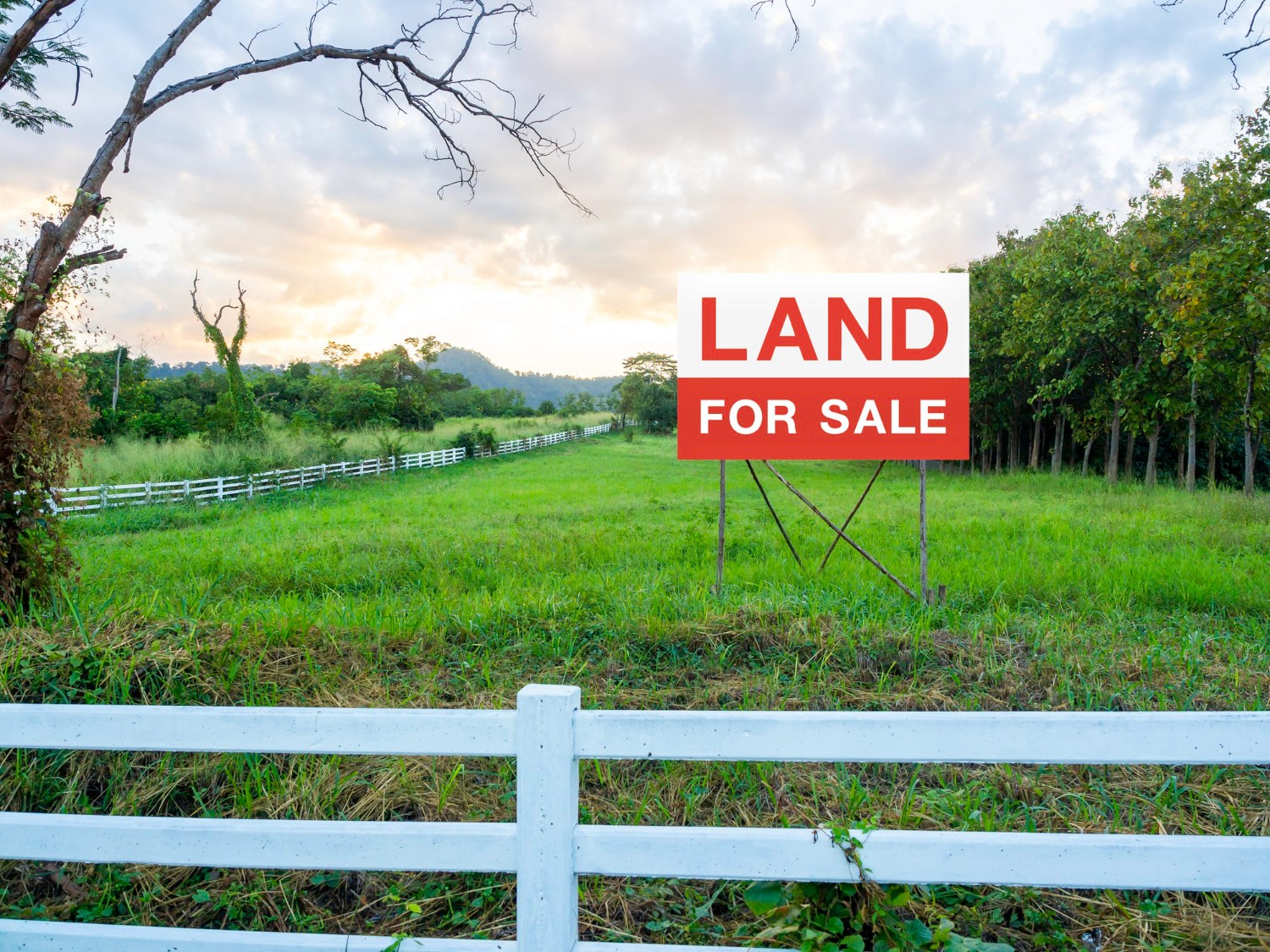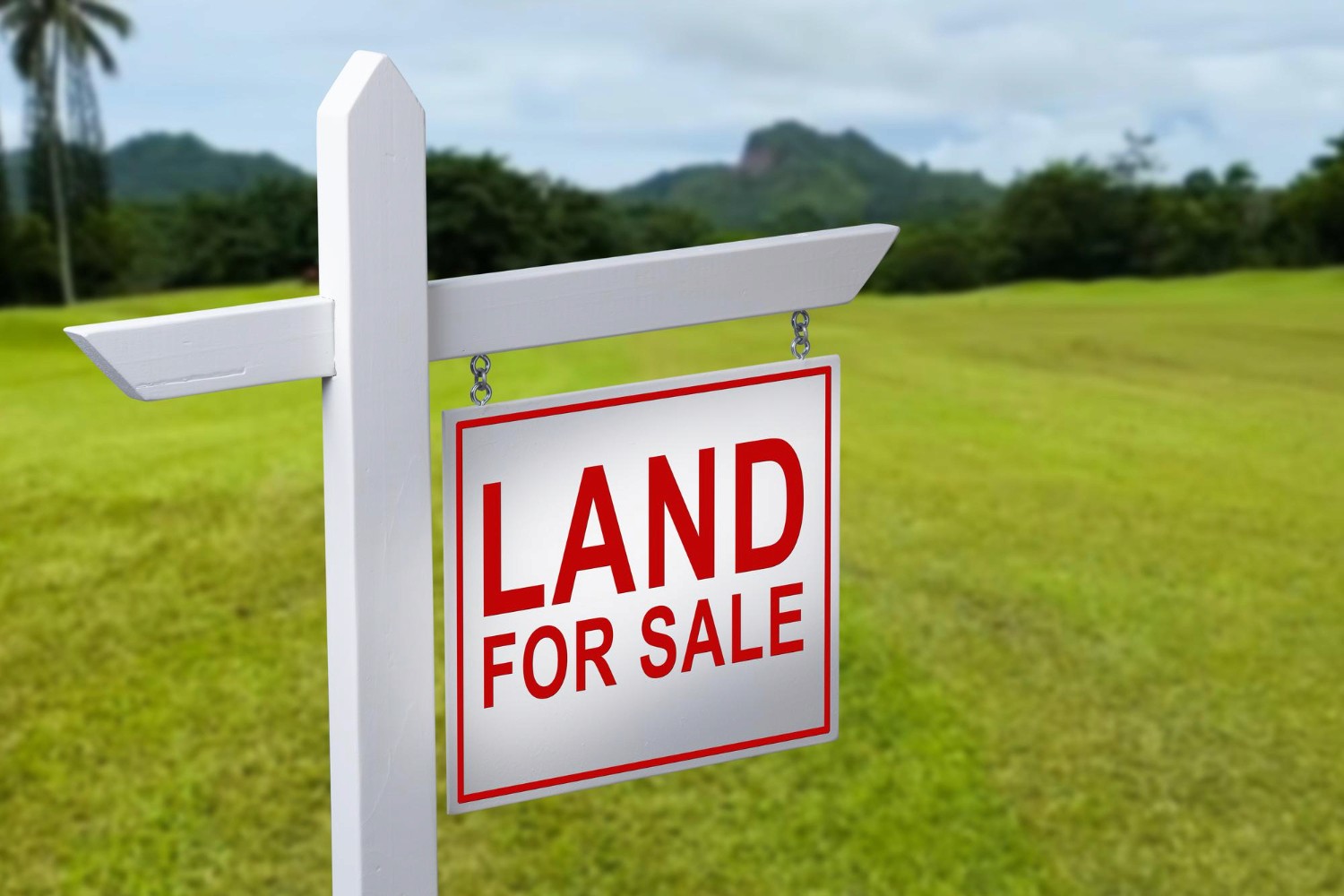
Looking for farm property for sale can bring up a lot of questions, even if you have been around farmland your whole life. It is not just about how many acres are listed or what is growing on them. The right piece of land needs to match what you want to do now and still work for you a few seasons ahead.
As we head toward another spring in places like Indiana, Ohio, and Kentucky, it is a good time to get clear on what to look for when land hits the market. Some things are easy to see, like access and layout. Others, like water flow or old easements, take some digging. Buying farmland takes more than a quick drive by. Knowing what to ask and where to focus can help you feel confident before you make a move.
Think About How You Will Use the Land
Start with your main reason for looking. What do you want this land to do for you? The answers will shape what kind of property makes sense.
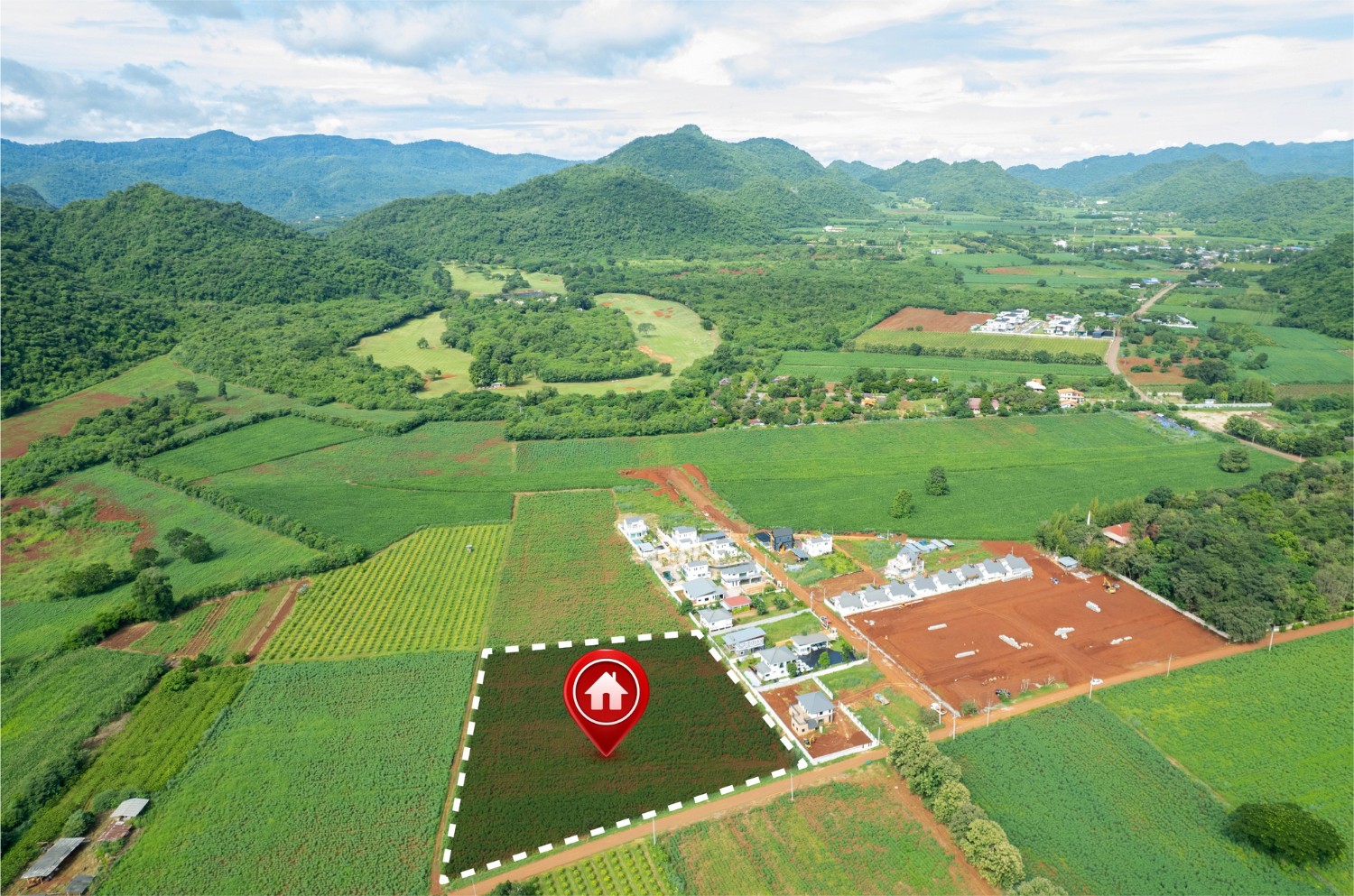
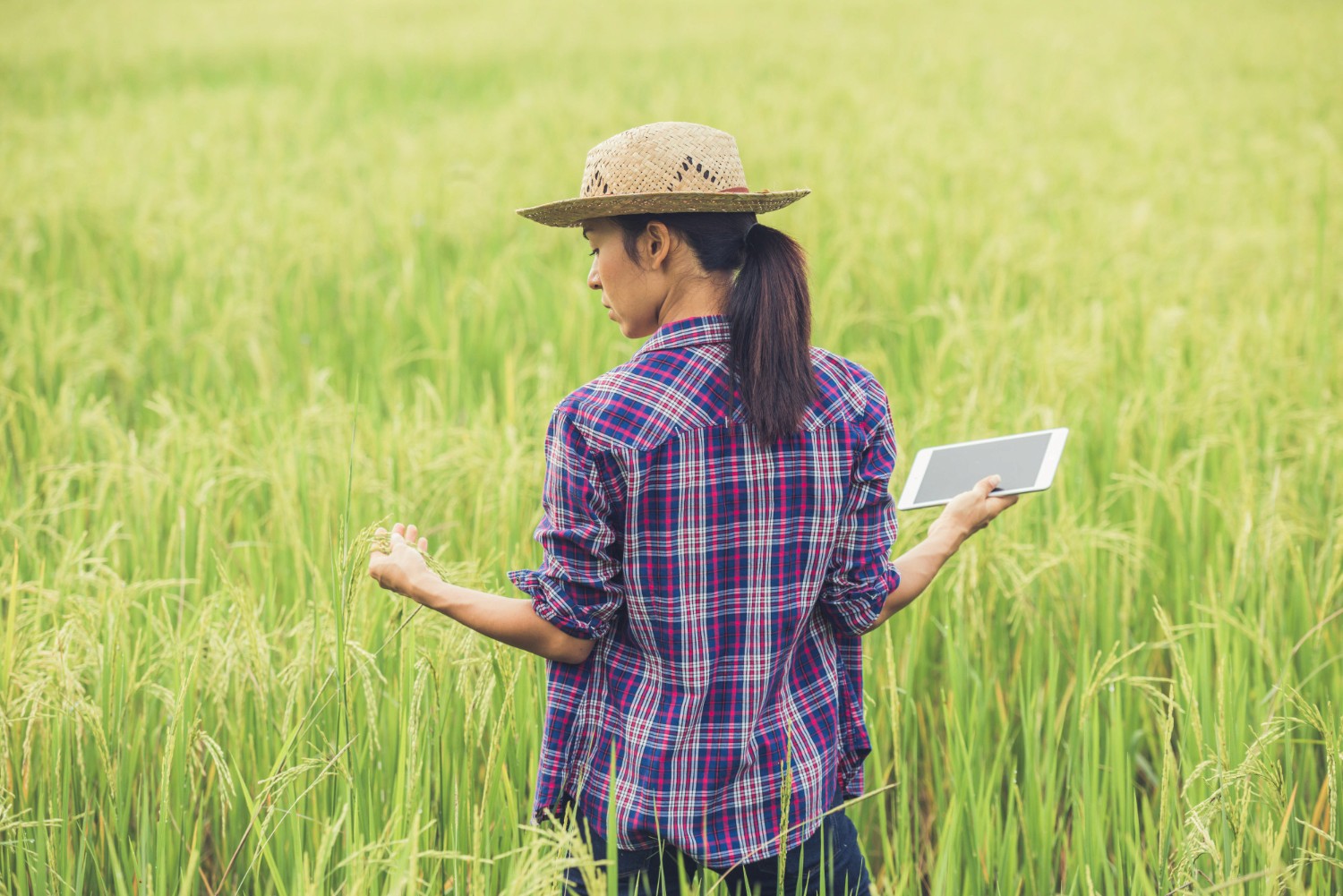
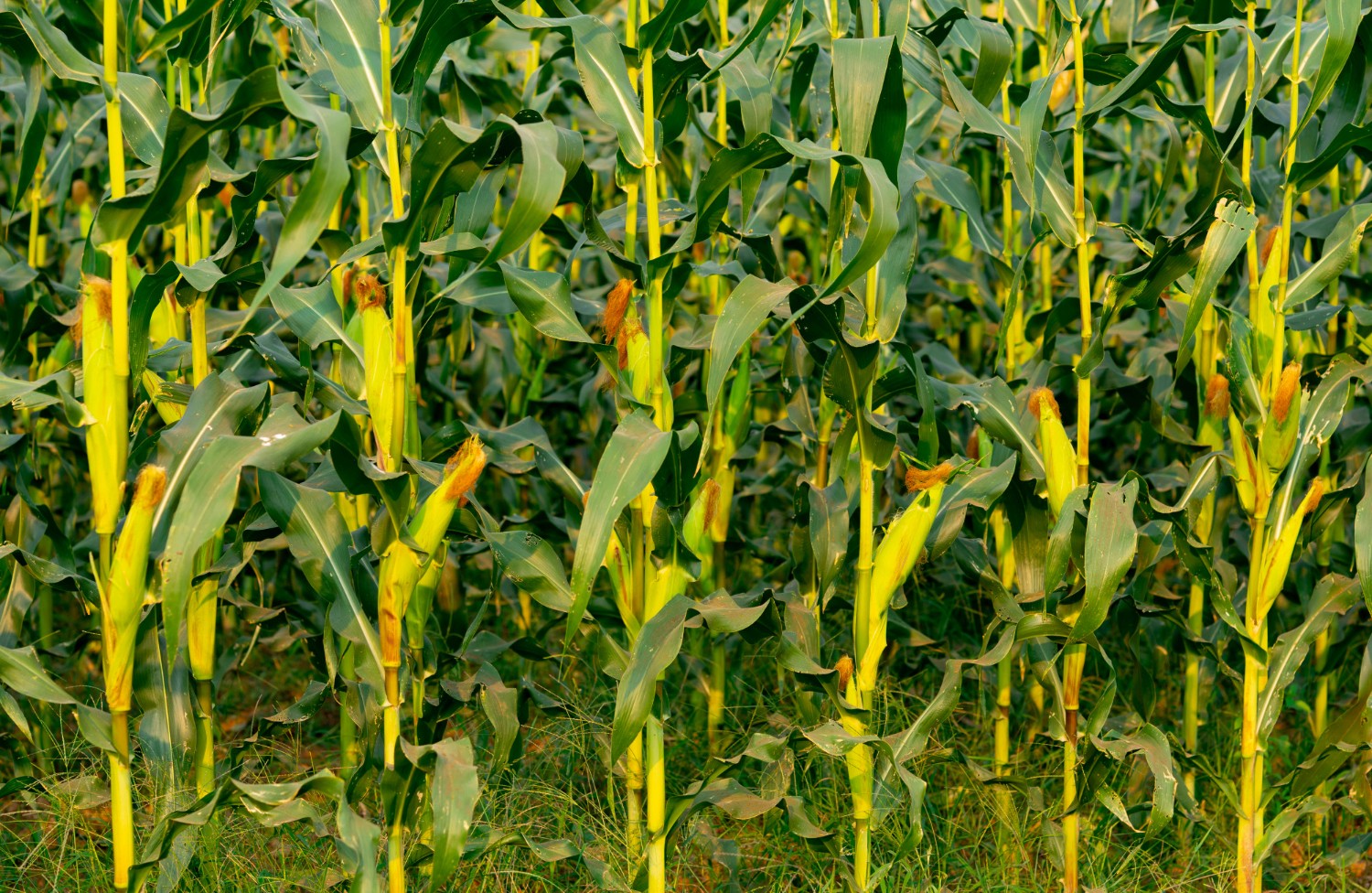
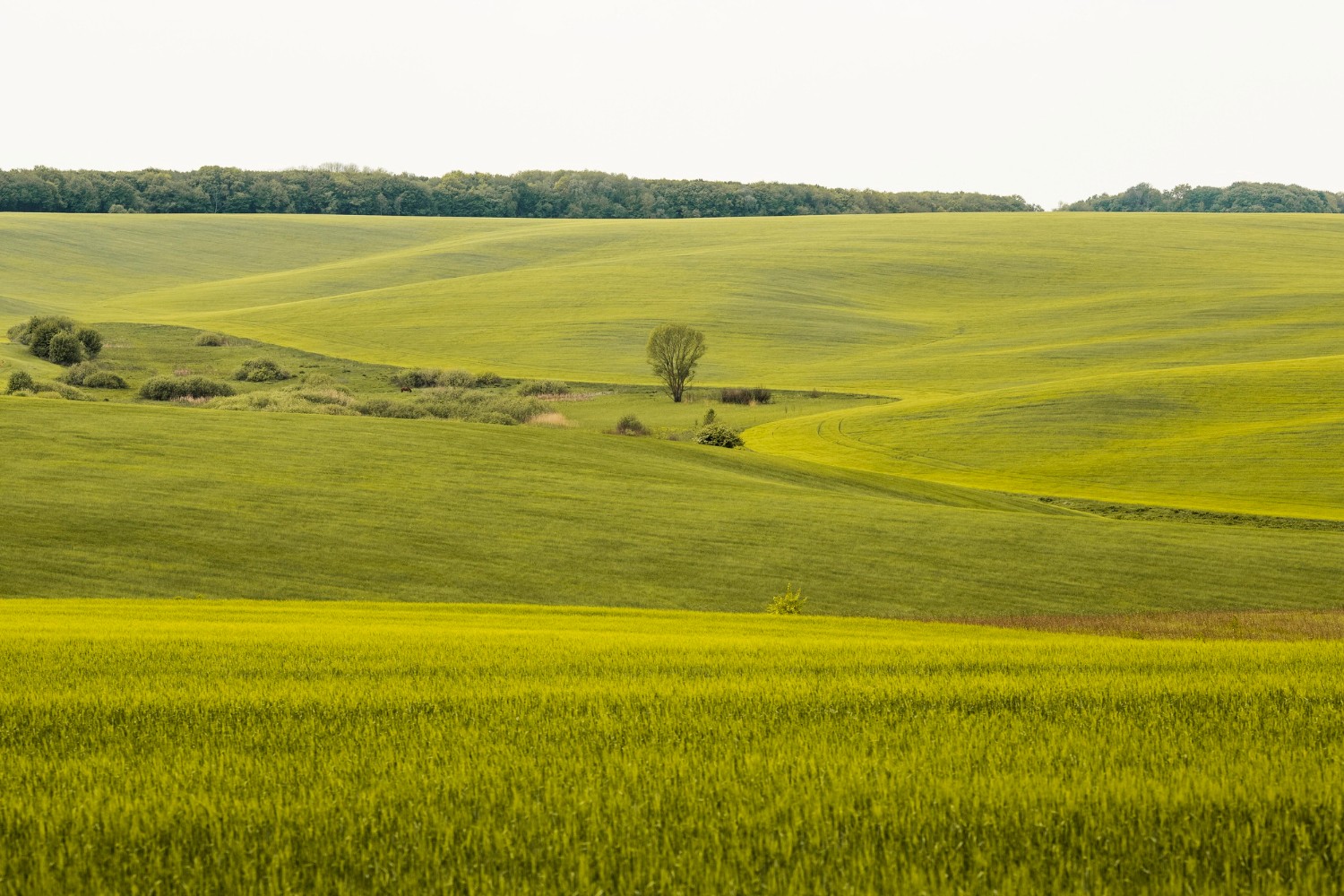
Looking to plant row crops? You will want open fields with good drainage and soil types that fit your crop choices.
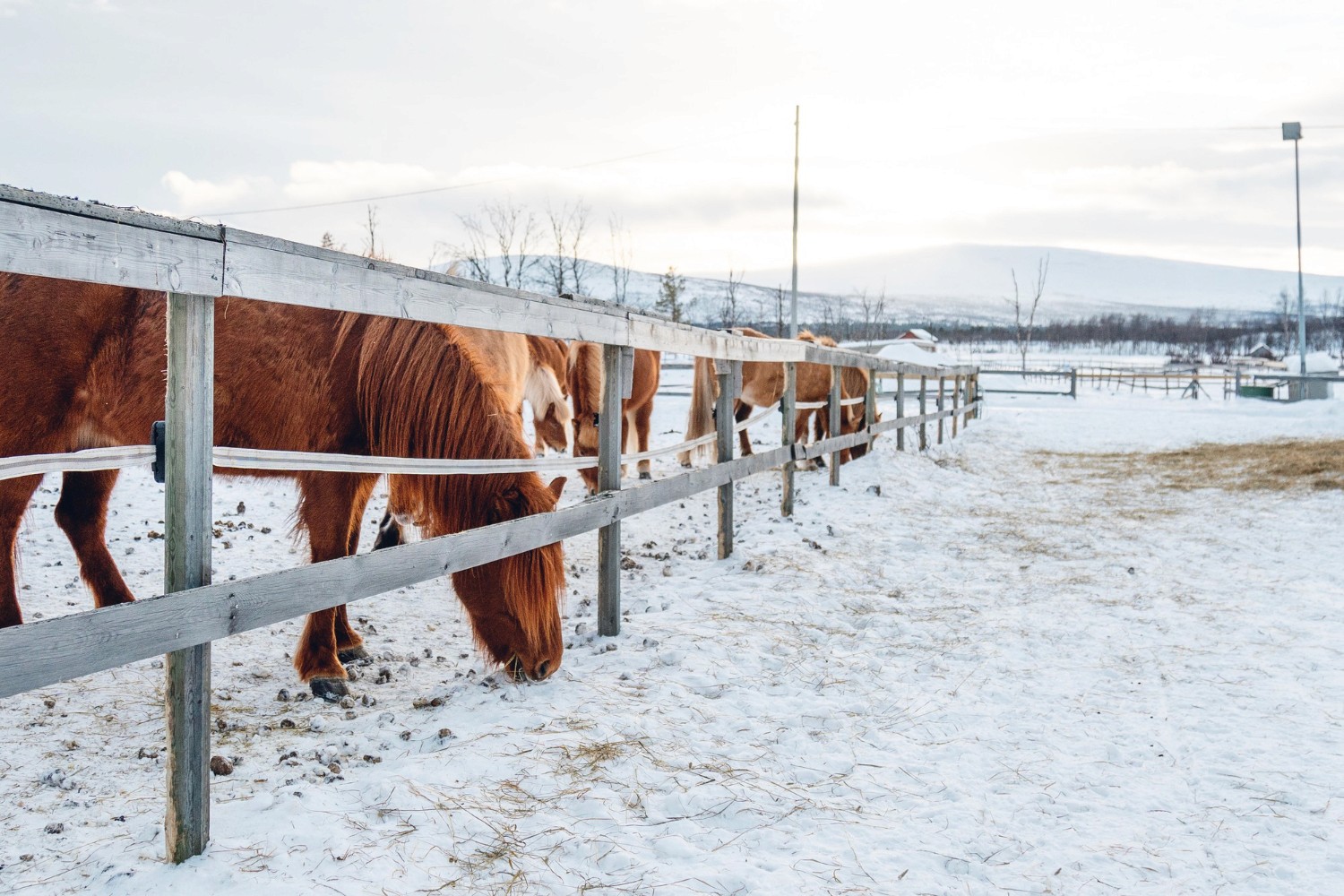
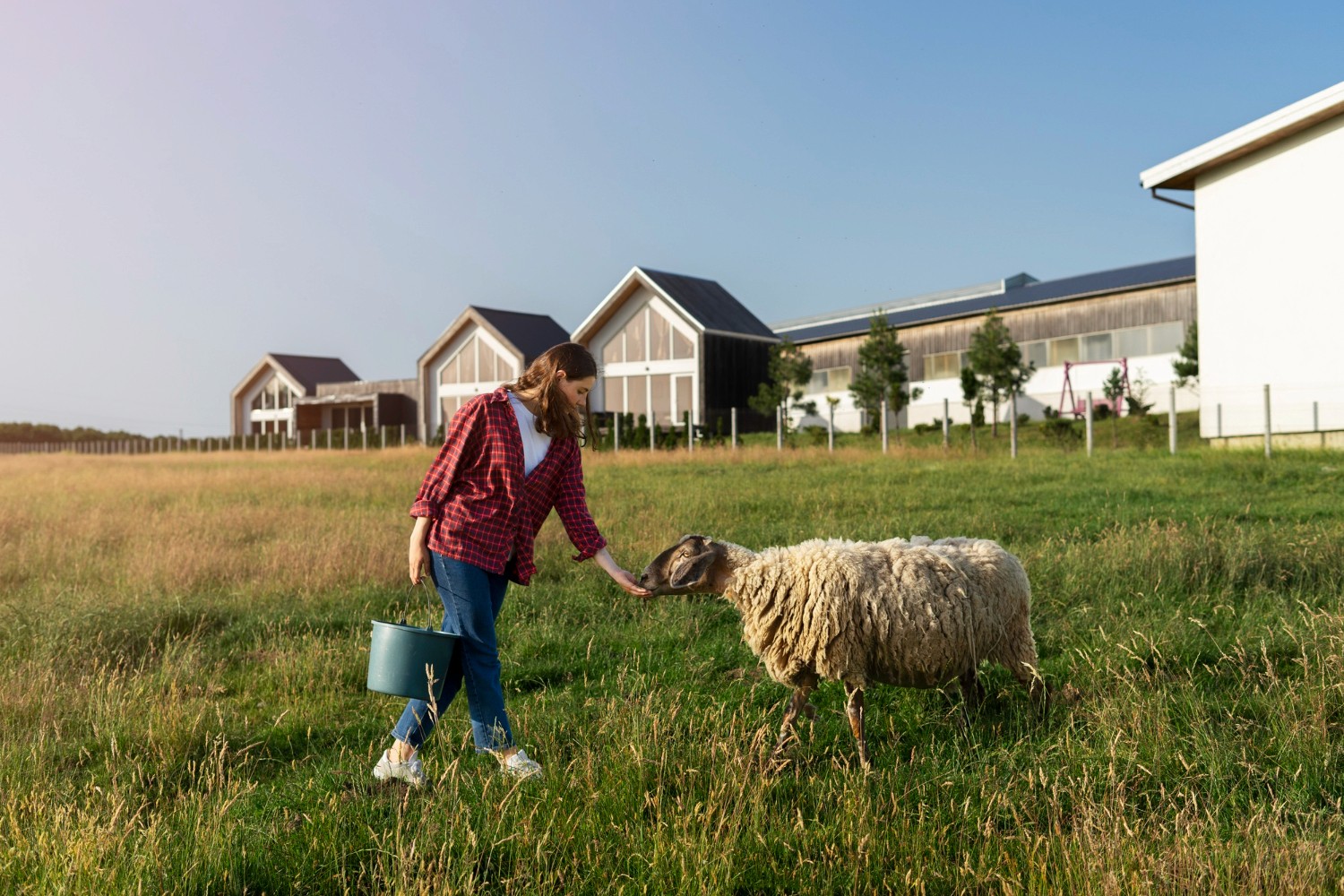
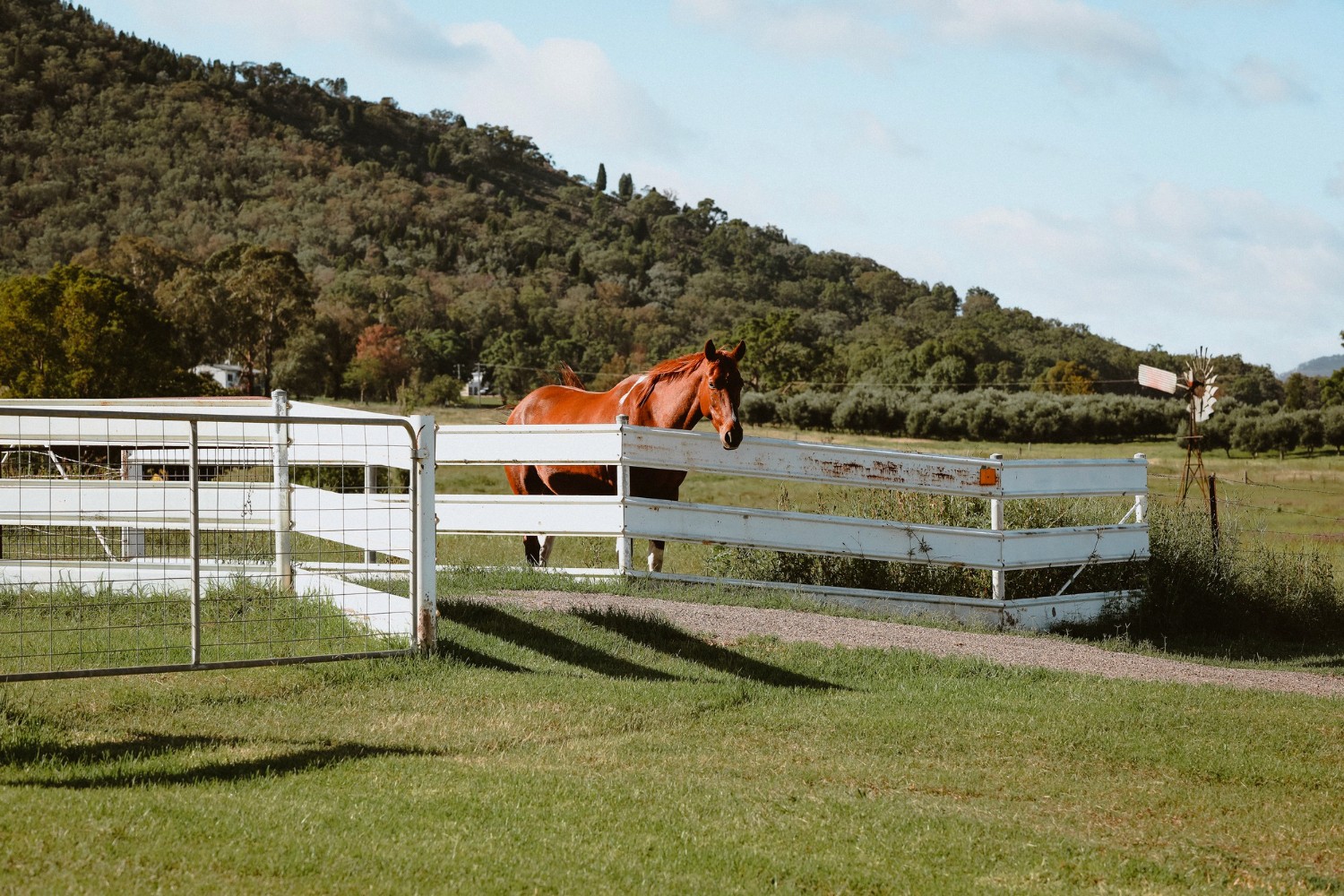
Thinking about feeding livestock? Then fencing, pasture layout, and room for shelter buildings all matter.
Planning on renting it out? You need to know if someone is already working that ground and what agreement is in place.
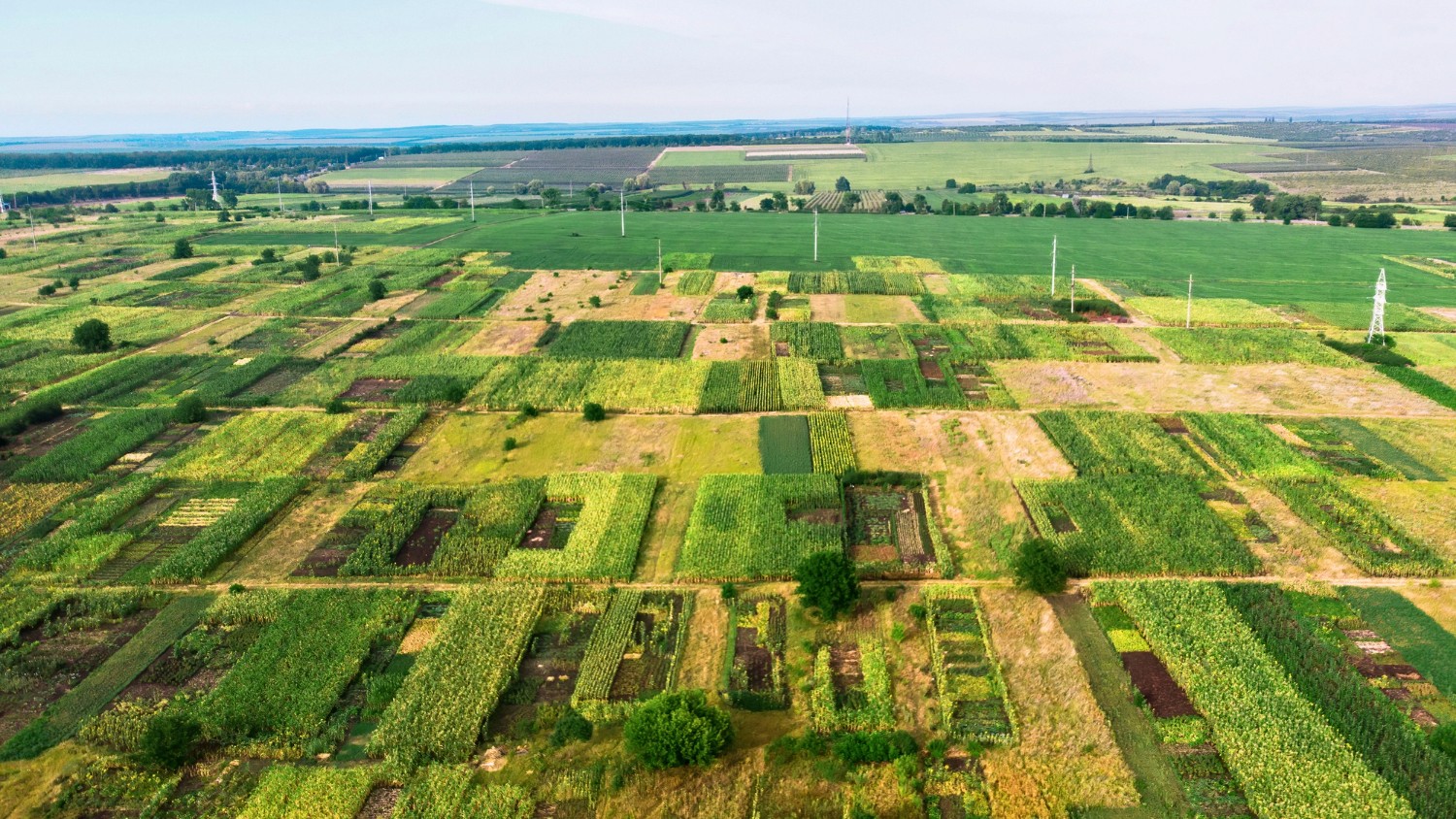
The setup of the land (like where fields start and end, how gates swing, or if you can move equipment easily) can save you time and trouble later. Water access and layout are especially important if you are planning to graze animals or irrigate crops. Knowing your goal from the start helps you spot properties that either line up or do not before you get too far down the road.
Pay Attention to Location and Access
Even when a field looks perfect on paper, location can shift the whole picture. Spring ground prep moves fast, so being close to the roads, barns, or markets you rely on can make a big difference.
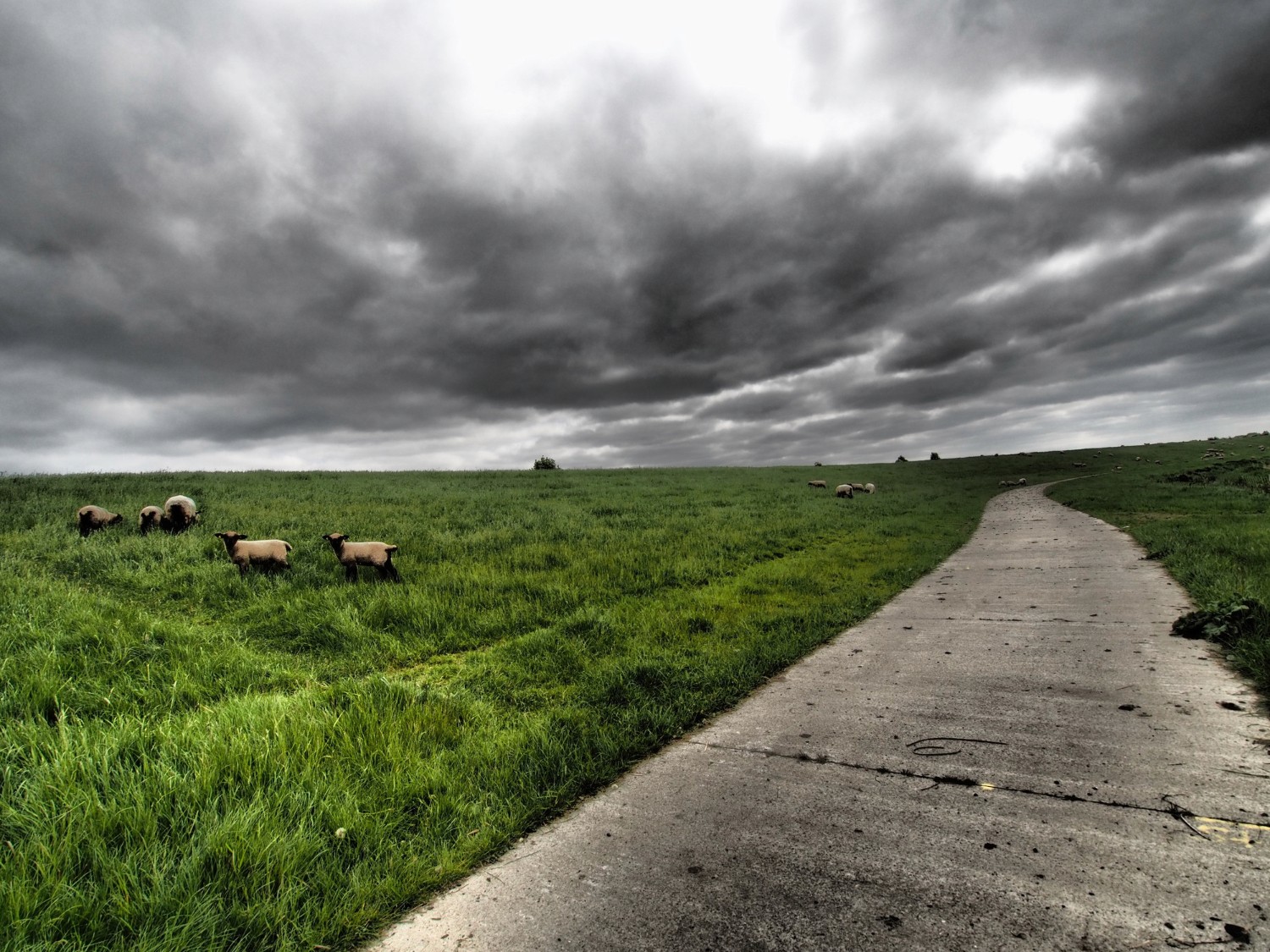
Good road access matters when hauling seed, tractors, or harvested crops. If heavy rain makes a path unusable, you could be stuck at the worst time.
Being near a grain elevator, livestock market, or another farm you manage can make everything smoother, especially if you are working across multiple properties.
Weather plays a role too. Land in southern Indiana may dry out quicker in spring, while areas in Ohio or Kentucky might hold moisture a bit longer. That can affect when planting happens and how the soil acts.
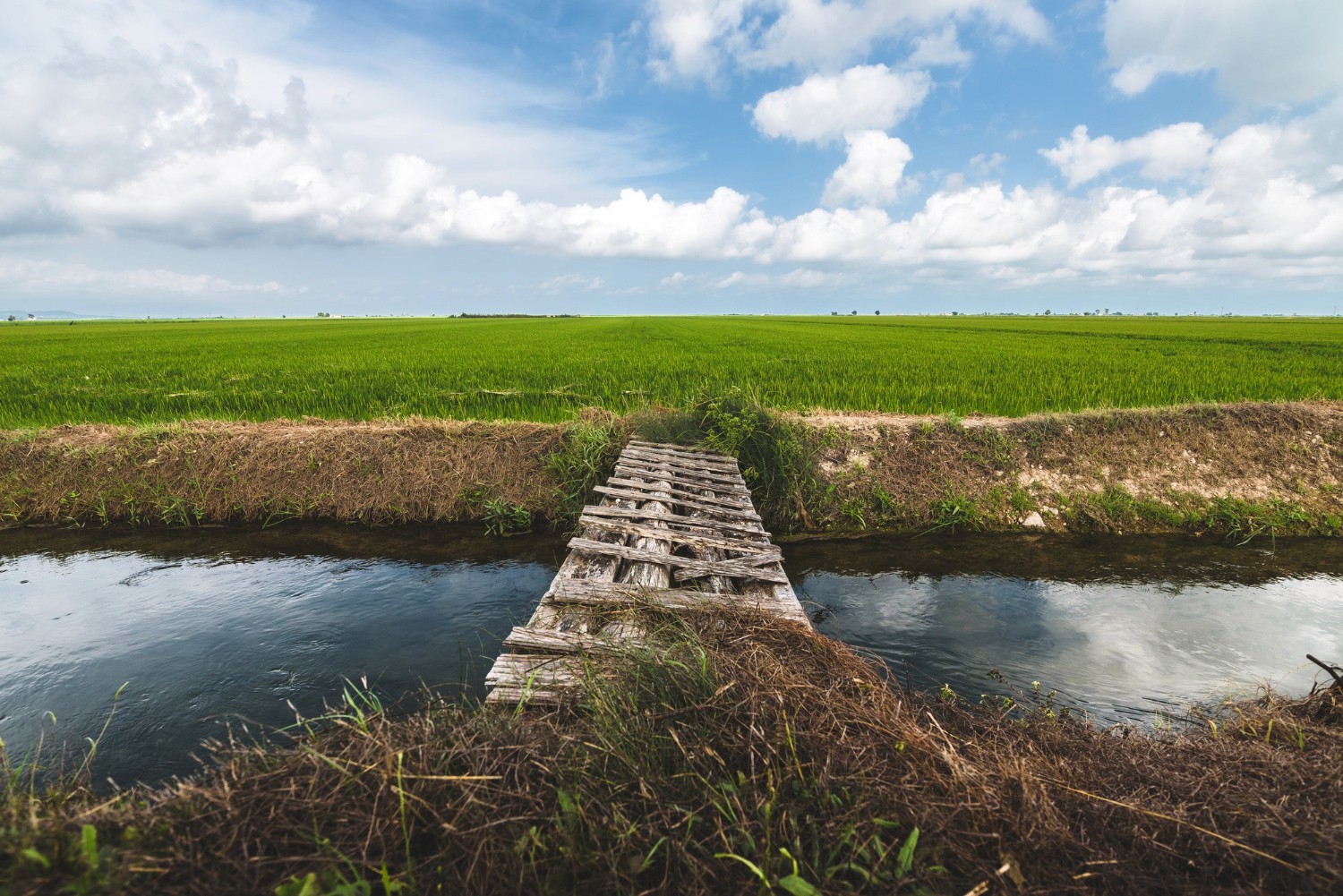
Think about all the ways you will need to get to or from the land and how long it will take depending on the season. A few extra miles of gravel or narrow bridges might not look like much on a map but could turn into delays during busy weeks.
Check the Condition of the Ground
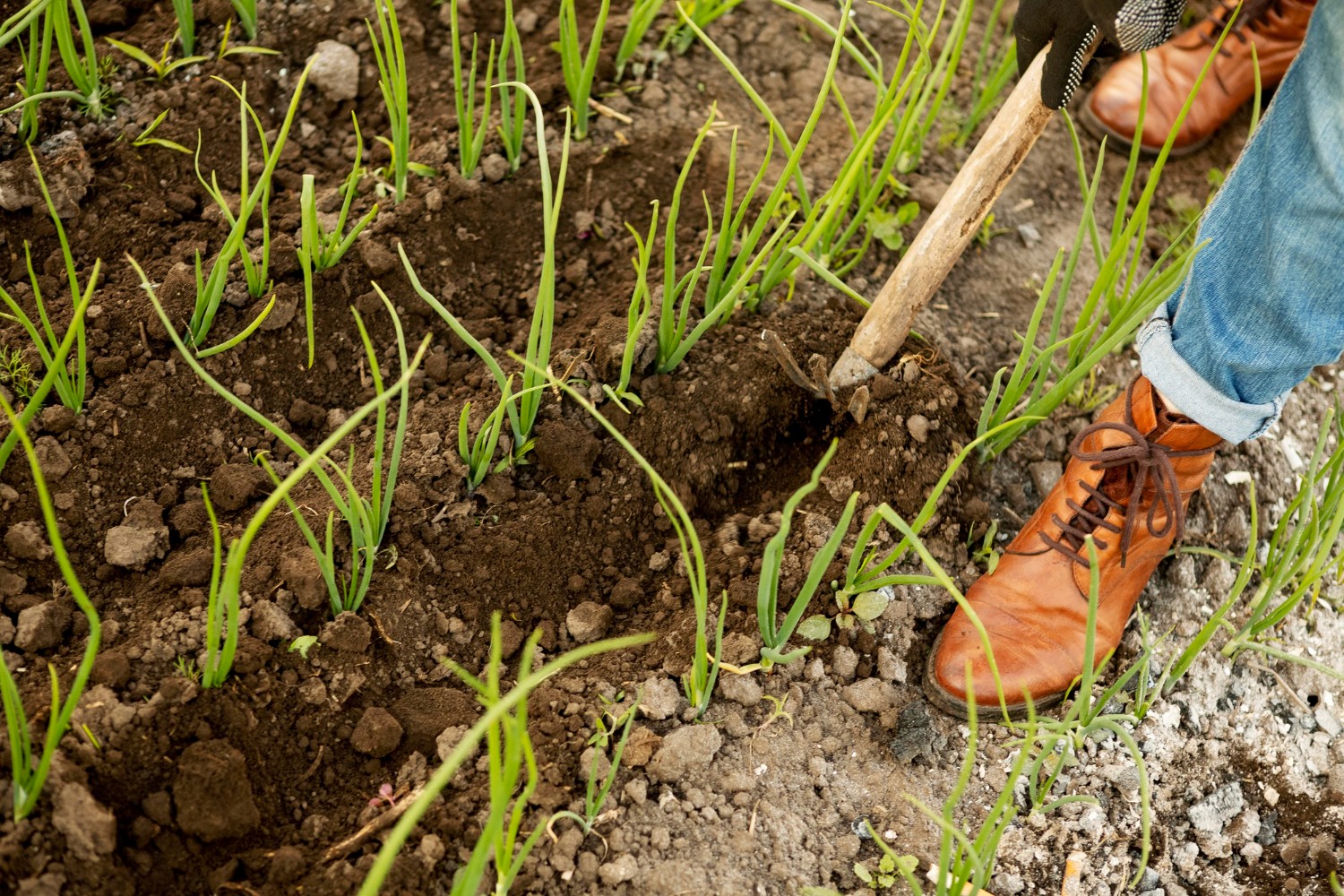
What is under your boots will tell you some of the most important things about the property. With planting season on the way, this is the time to know how that ground handles rain, equipment, and seed.
Soil type can change how crops grow, how fast fields dry, and what kind of nutrients are needed.
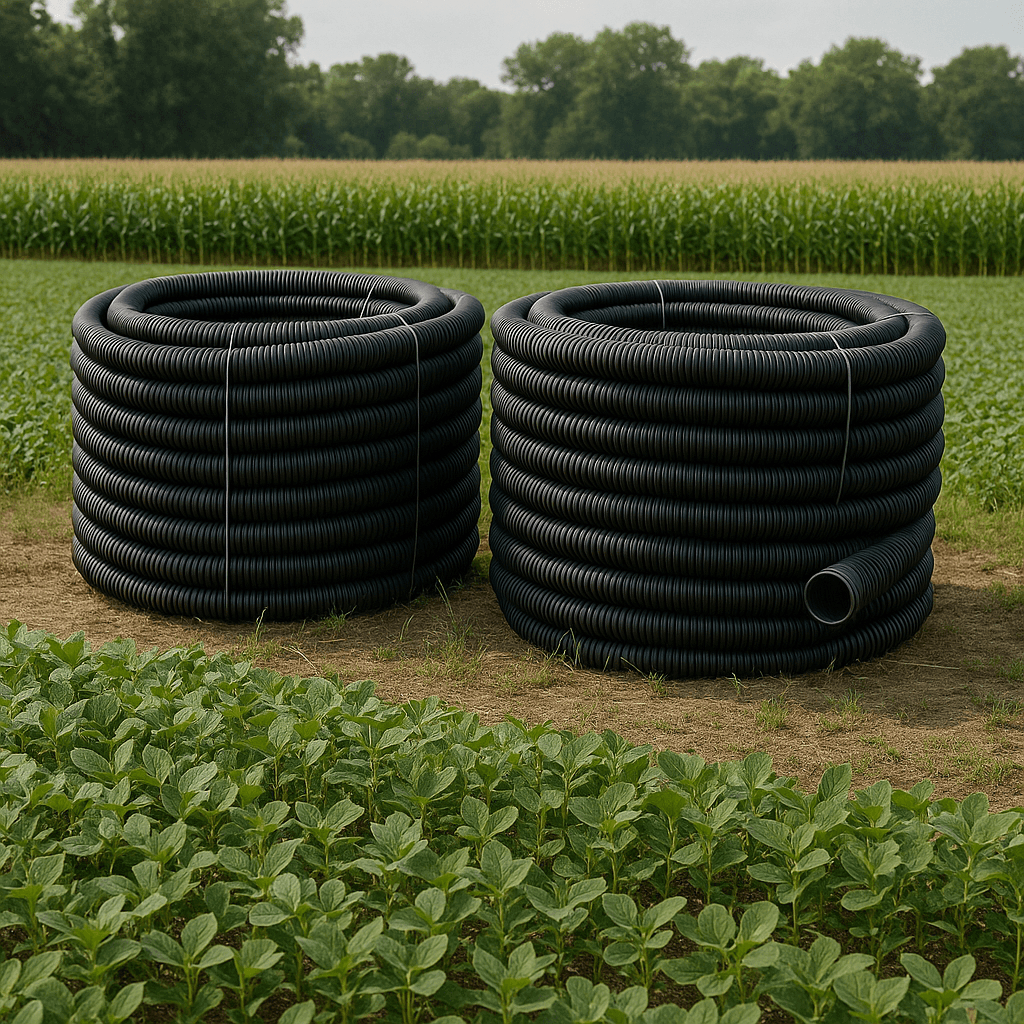
Drainage is a big one to check, especially if there are low spots or nearby creeks. Poor drainage could mean headaches in a wet spring.
Ask how the land has been used the past few years. Was it row cropped, left fallow, hayed, or used for pasture? That history can affect how quickly you hit the ground running after a purchase.
Any ground can look decent after a fresh cut or dry spell, but you will want to know what it is like through early rains or during harvest. If you can, walk it after a rain or ask for past photos from wet months. It is not just about what is there now, but whether the land works along with the weather or against it.
Farmland by Dirk offers support with property evaluation including review of crop history and soil maps, helping buyers fully understand land conditions before purchase. We also assist with due diligence such as title review and identifying important agronomic factors that can impact ongoing productivity.
Know What You Can and Cannot Change
Some things about a property are locked in whether you like them or not. Others can shift over time, but it helps to know which is which before you start thinking about new plans.
Check with the county about zoning rules. Can you build a barn, put up fence lines, or add irrigation? Some ground is zoned pretty tightly.
Conservation rules or protected areas might limit clearing trees or changing water paths.
Easements could mean someone else gets access through part of the land, or you have to leave a corner untouched.
You may not hit all these right away when looking at a listing, but before you move forward, it is worth doing your homework. It is better to find out early if the land will not support your plan than to get caught in the middle after it is yours.
Work With Experts in Farm Sales
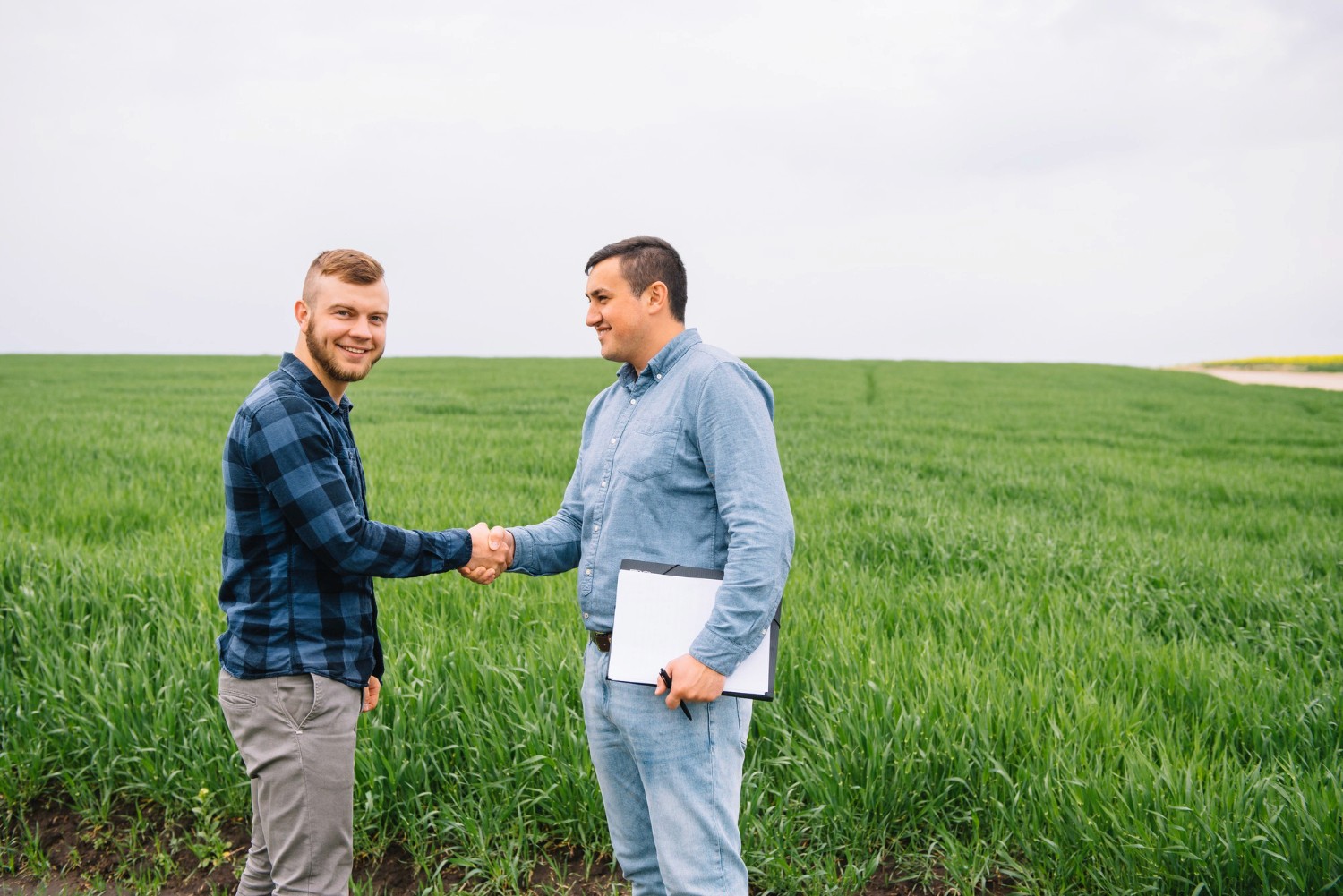
There is a lot about buying farmland you cannot see from the gate or catch just by walking a field. A good broker can help sort through paperwork, point out concerns, or offer insight based on nearby sales.
Brokers who work with farmland understand how ag use affects value and what to look out for on listings.
Lenders who deal with rural ground may be more familiar with seasonal use, crop leases, or long term farm income plans.
Attorneys with land sale experience can help catch unexpected legal issues so you do not get stuck later.
Farmland by Dirk specializes in farm property transactions, providing local market knowledge in Indiana, Ohio, and Kentucky. We walk clients through each detail from property search to closing and help with custom negotiations, lease evaluations, and auction representation when needed.
You do not have to figure everything out on your own. Working with people who focus on farm ground can save time, avoid surprises, and make sure the land really fits what you need.
Questions Lead to Confident Farm Purchases
Buying farmland usually sounds simple (find an open field, take a look, make an offer). But once you are serious about a piece of land, the real questions start. How will you use it? Can you reach it during a wet spring? Will it support the kind of operation you are building?
The more time you spend before the purchase asking the right questions, the steadier the rest of the process feels. You will be ready for what is coming next and feel more certain the land works not just for this season, but many seasons to come.
At Dirk Ricke, we guide you through every step of purchasing land in Indiana, Ohio, and Kentucky so your property can deliver the results you want now and in the years ahead. When you want to view maps, compare options, or get answers to your initial questions, we are here to help you develop a clear plan. Discover current farm property for sale in your area and reach out when you are ready to have a conversation.