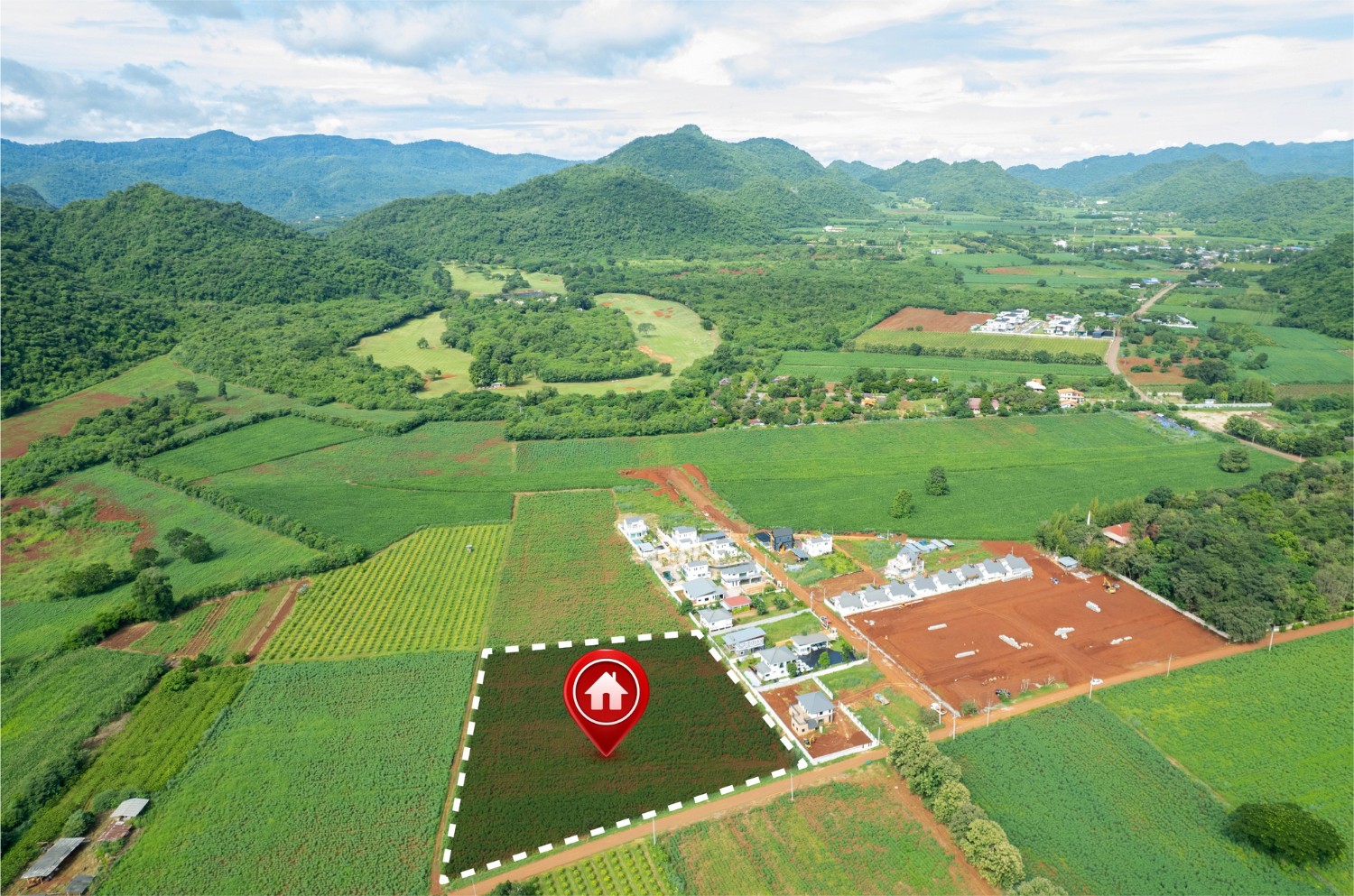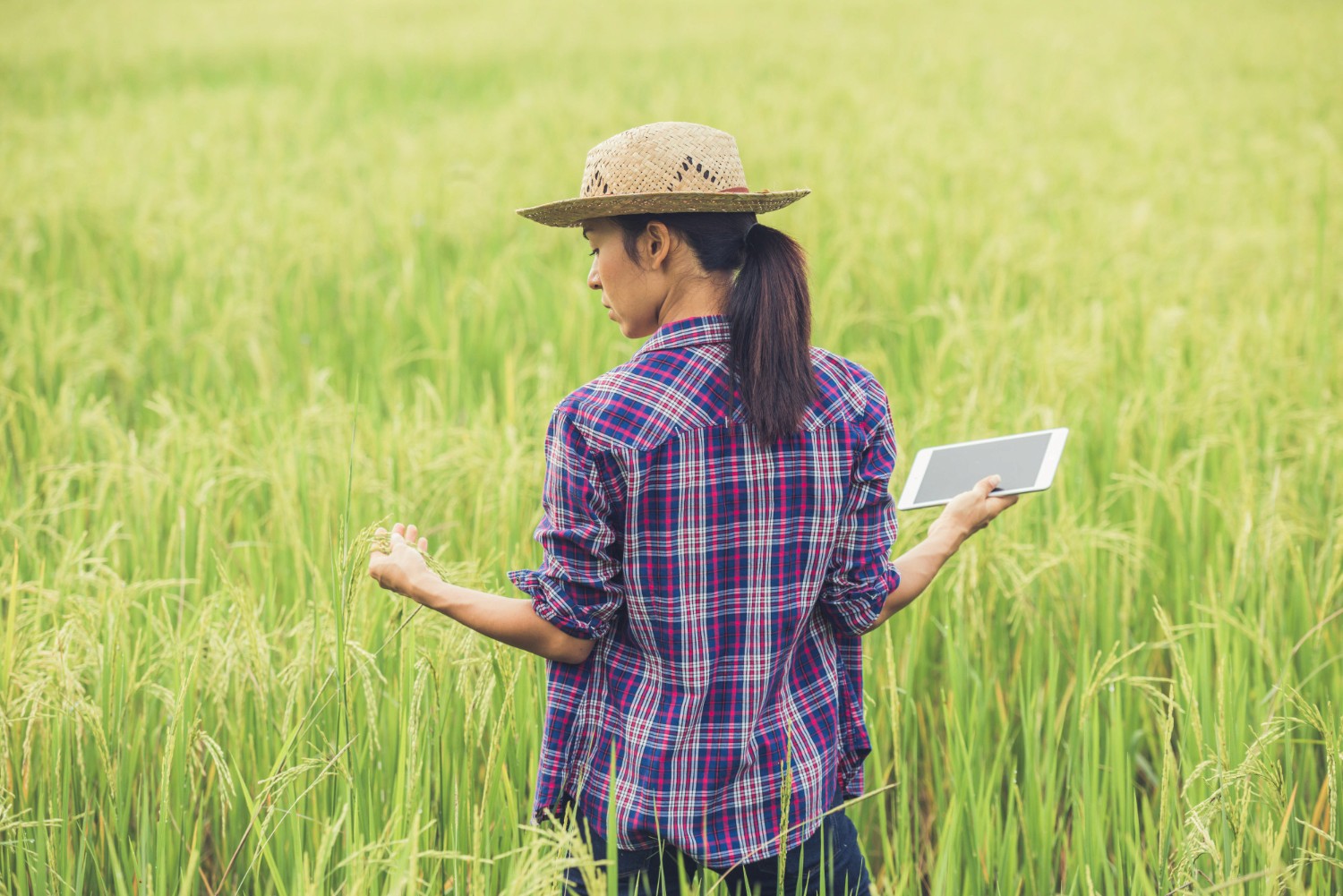
The middle of winter might not seem like the best time to think about farmland, but if you are planning to buy a farm in Indiana, now is actually a good moment to start. Before the fields turn green and spring gets busy, there is time to walk the land and make thoughtful choices. Roads are quieter, schedules are more open, and properties are easier to evaluate when winter strips everything back. Buying early also means more time to prepare before planting begins or livestock returns to pasture. Many find that a slower season brings some of the clearest opportunities.
Top Indiana Regions to Start Your Search
Location is one of the biggest decisions when buying a farm. Indiana has several areas that stand out depending on your goals and what kind of ground you are after.
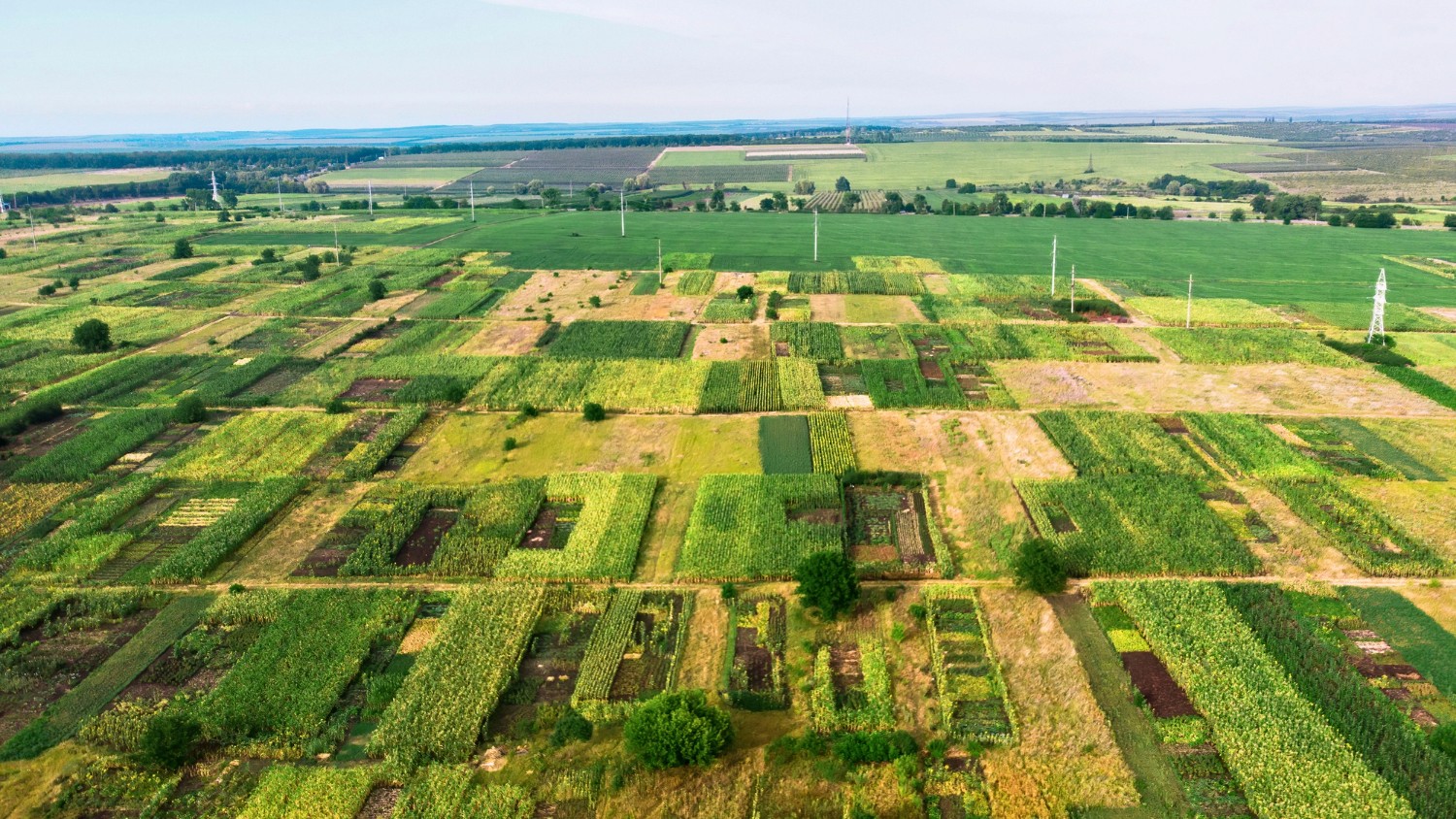
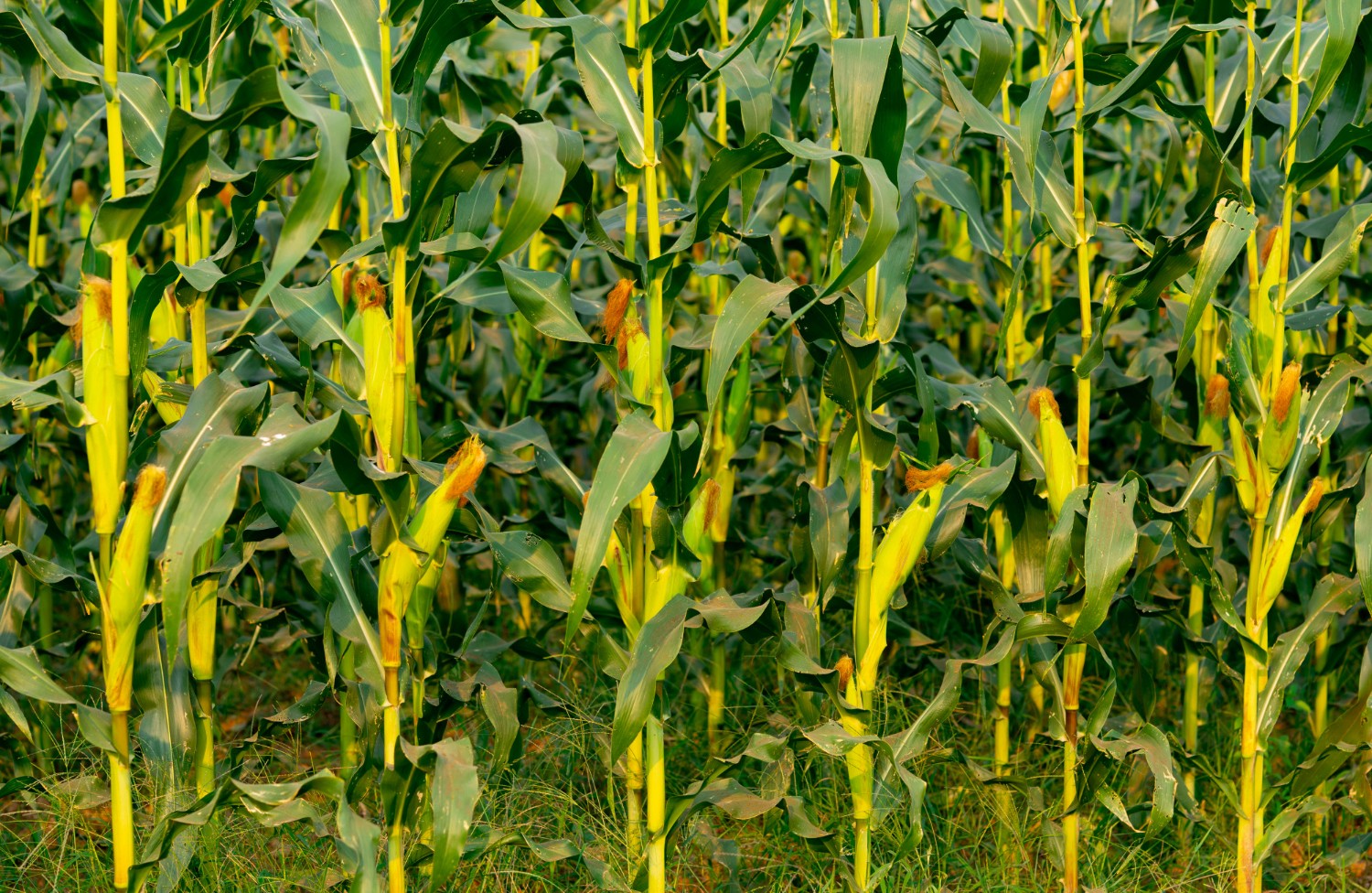
Central Indiana is known for large, open fields with productive clay soils. It is good country for row crops like corn and soybeans, and the roads make it easy to move equipment and grain.
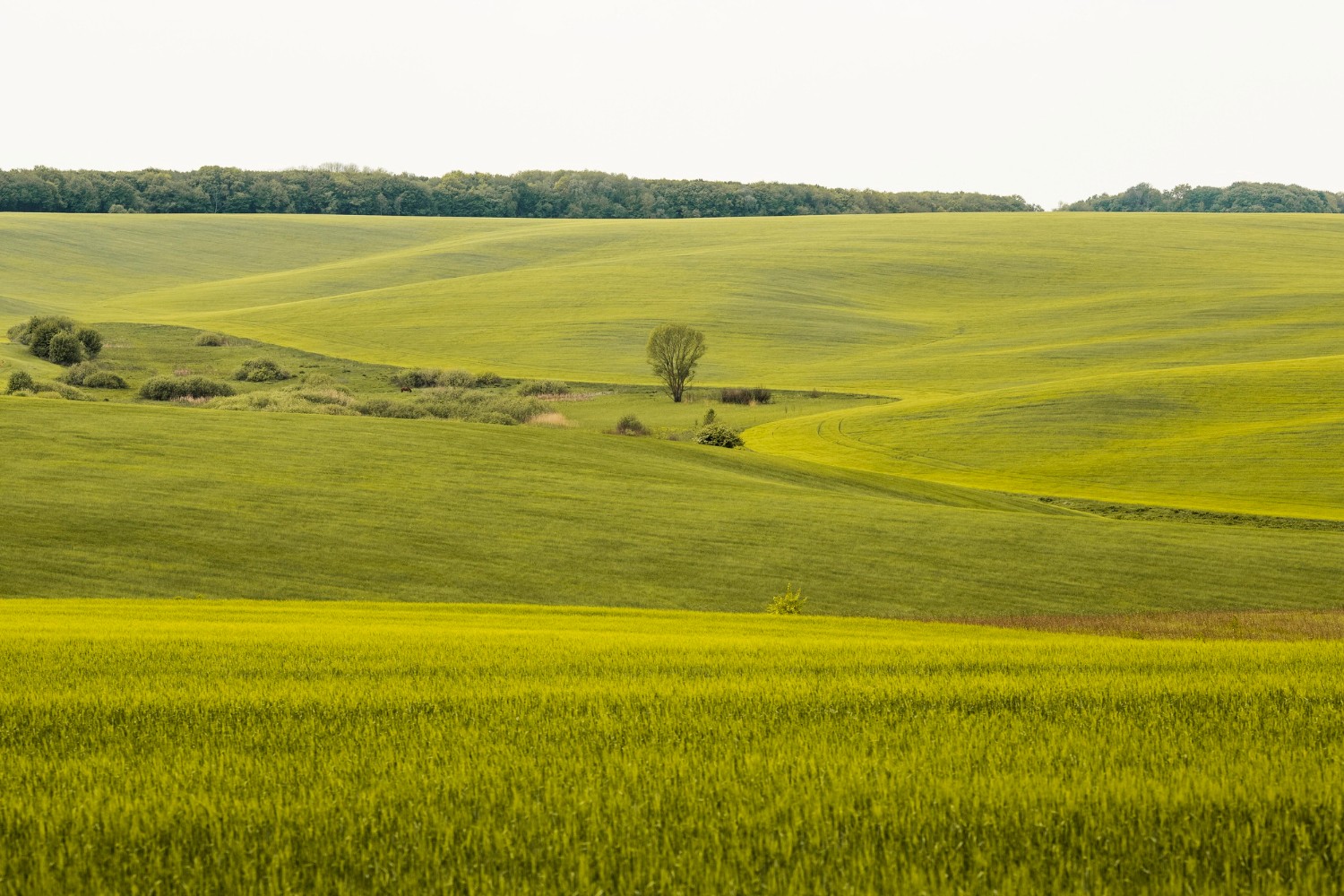
Southern Indiana has rolling ground, less predictable soil patterns, and more trees, but it is a strong option for mixed-use operations or cattle farms.
Northern Indiana has a wider range of smaller parcels and access to local co-ops and grain handling, making it attractive for both first-time buyers and seasoned farmers looking to expand.
Every region has its own mix of soil, access, and neighbors. Some areas have better water availability, while others are closer to processors or feed buyers. Knowing what kind of operation you want helps narrow the search.
Weather and Land Visibility in Late Winter
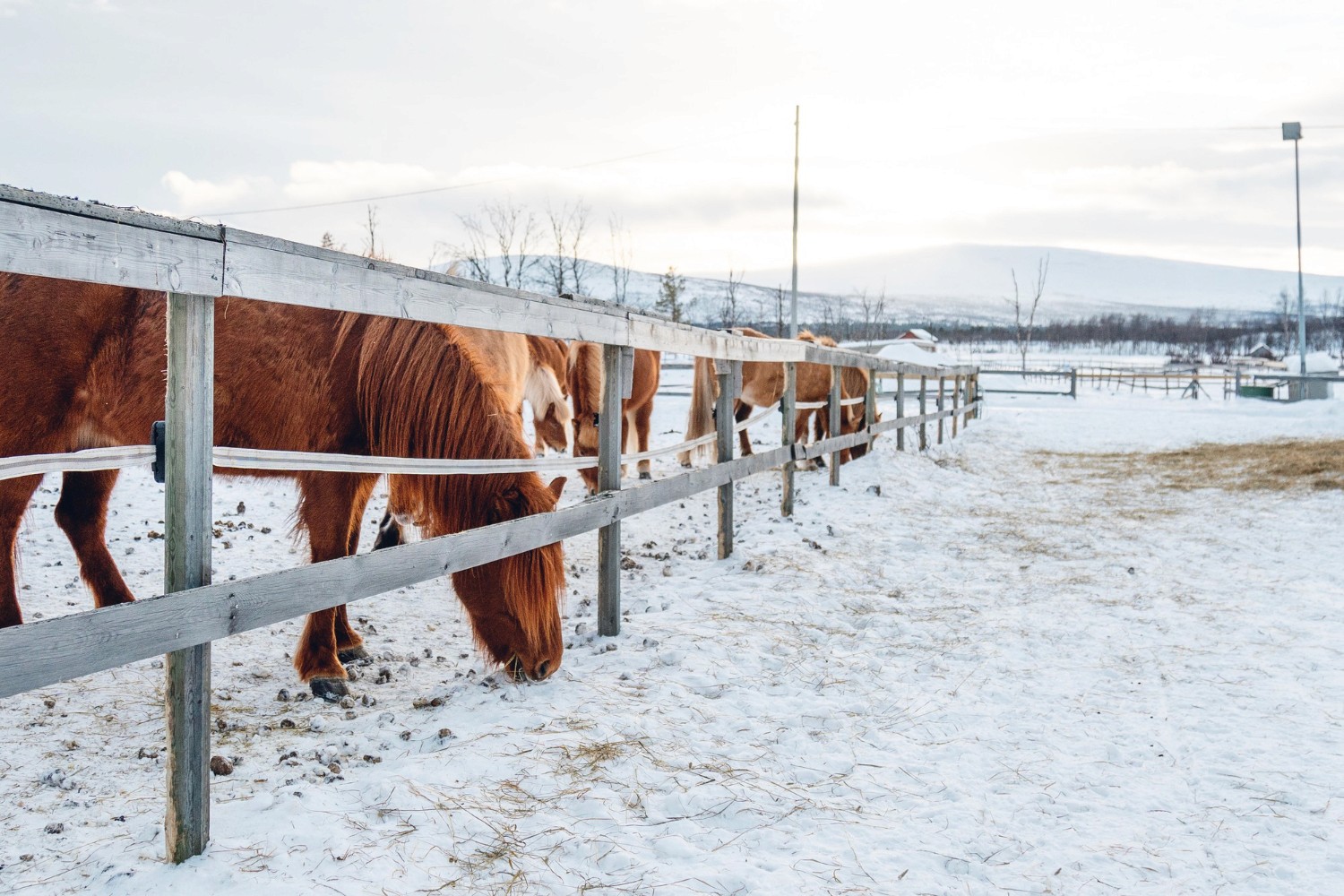
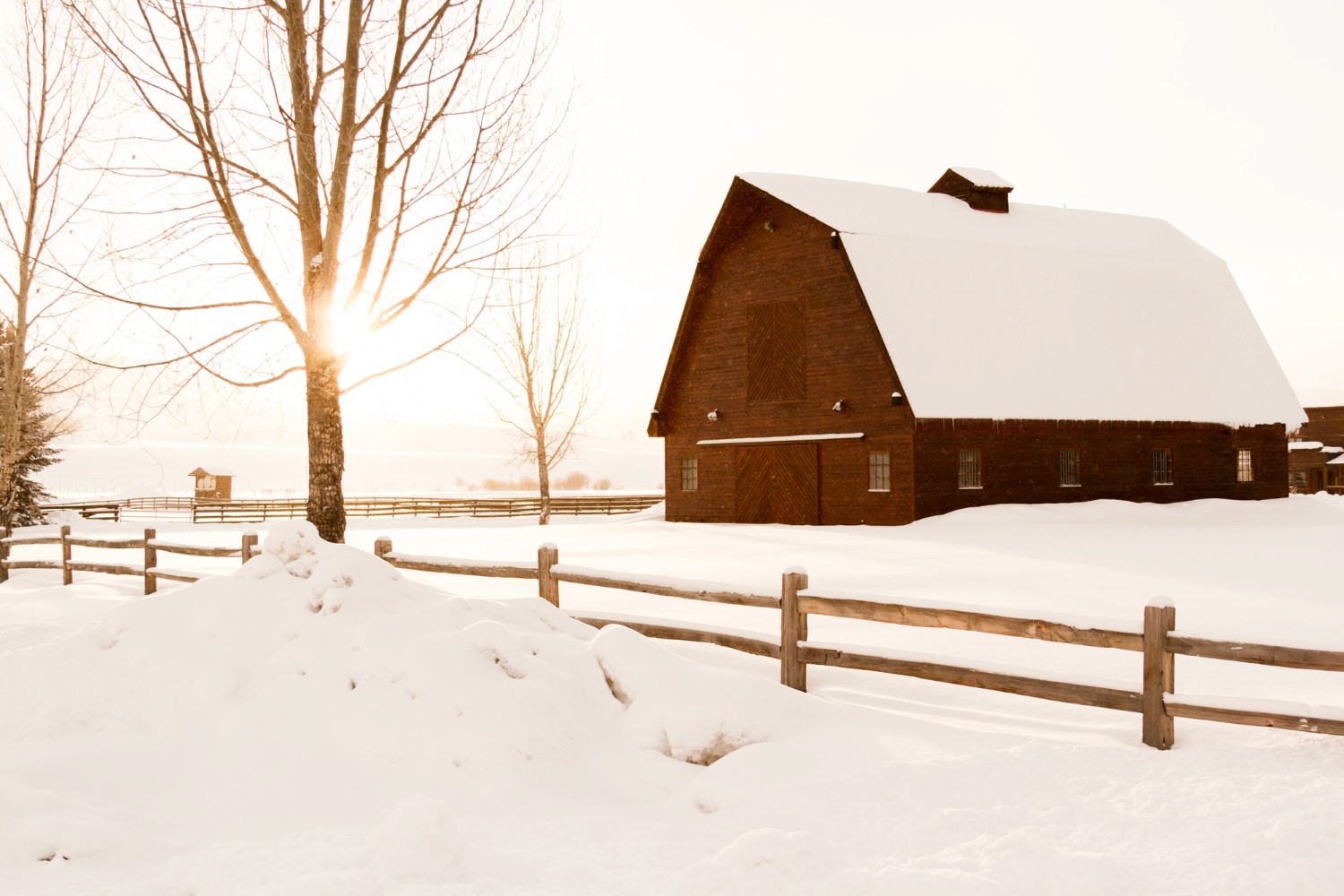
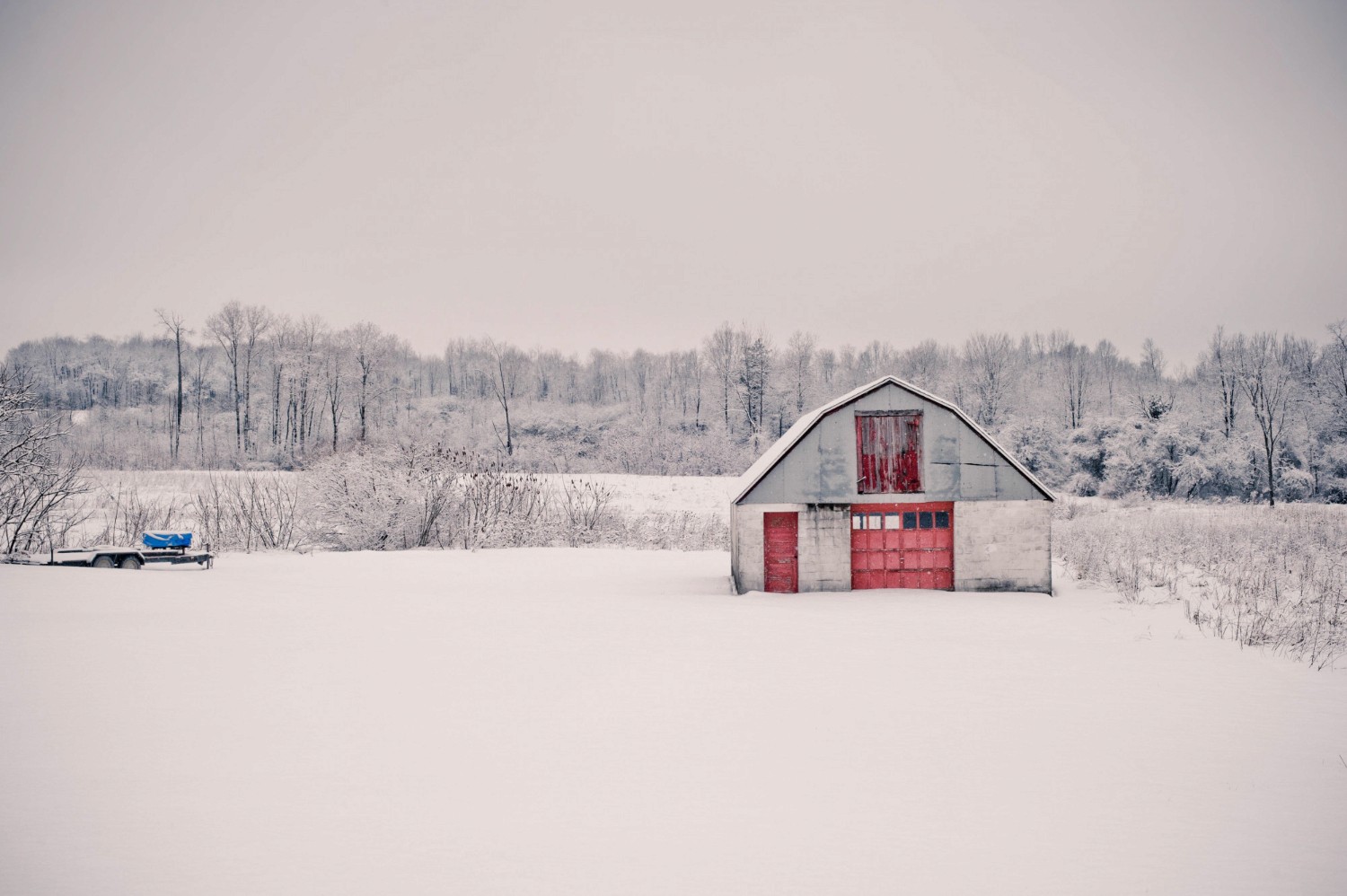
Even with snow now and then, winter is still one of the best seasons to see a farm for what it really is. Fields are open, trees are bare, and you are not wading through waist-high crops trying to spot tile lines or old drainage issues.
Frozen ground can show runoff paths and pooling spots that might get hidden once everything starts to green up
Bare trees reveal views, property lines, and how close neighbors really are
If the land is sloped, wind-exposed, or shaded, you will notice it more clearly when nothing softens the picture
By the time spring rolls around, those same details could be covered by fast-growing grass or early plantings. Taking a look now gives buyers a sharper sense of the land’s real shape and how it drains.
Access to Sellers and Professionals Before the Busy Season
Once planting season starts, it can be hard to find time on anyone’s calendar. During late winter, people tend to have more breathing room. That goes for both landowners and those helping with the sale process.
Many owners are more open to walk-throughs or slower-paced conversations in winter months
Farm managers, lenders, and real estate professionals tend to have more time to pull up records, set appointments, or answer questions
Winter can be a smart time to ask about soil tests, survey lines, or past crops while the field is easy to walk
Getting started now means fewer delays. It lets everyone work more carefully before things pick up again. Planning ahead allows time to sort through the parts that are often rushed once the season hits full speed.
Things to Consider Before You Buy a Farm
Before any paperwork starts, it helps to ask the big questions. Everyone has different goals. What feels small to one person may be more than enough for someone else.
Do you need 80 acres for row crops, or would 25 acres of pasture fit your plan better?
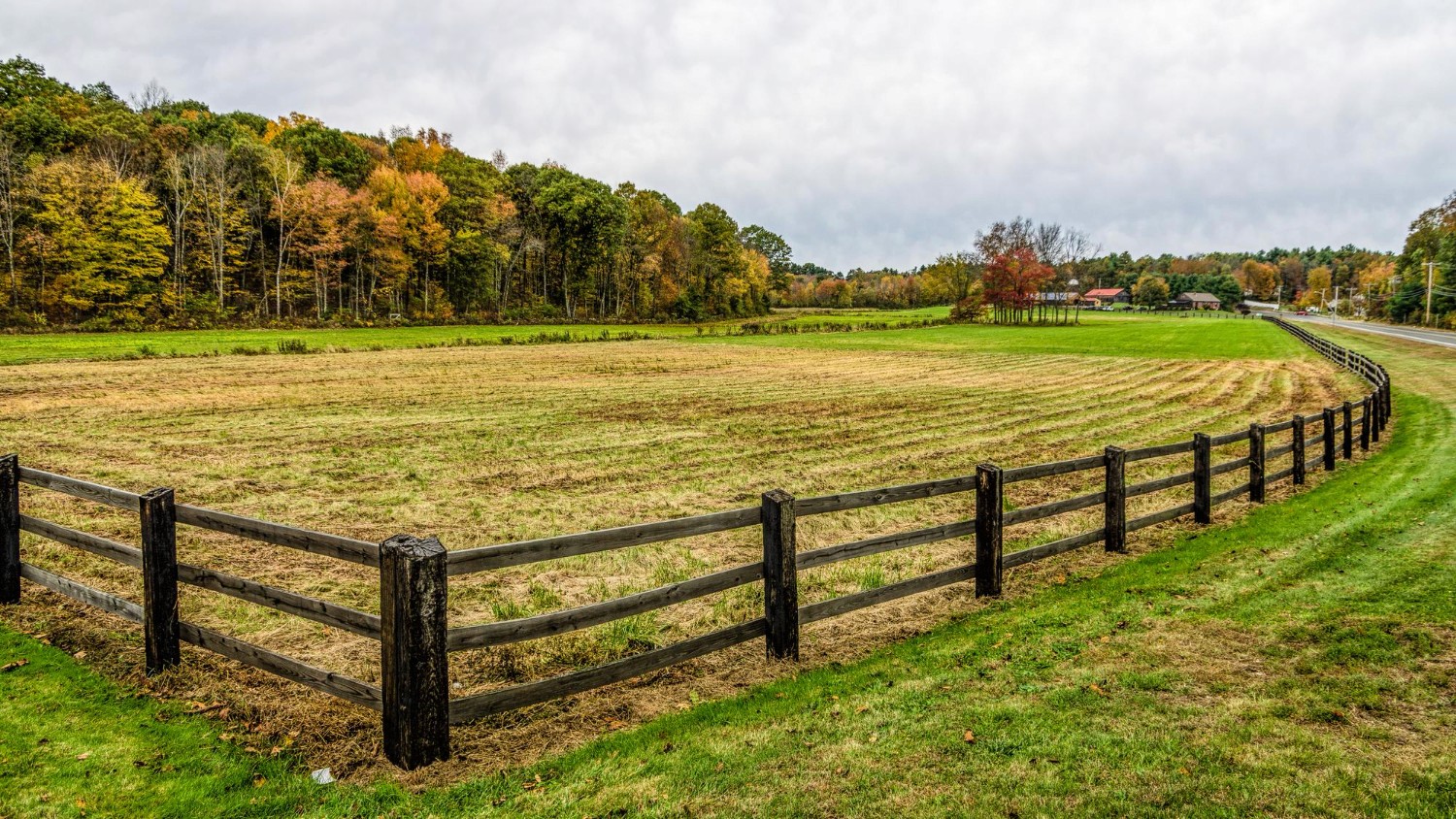
Does the land already have fencing, driveway access, or a usable well and power line?
Is the property in a township with a strong farming history, or is it surrounded by future housing growth?
The answers help shape what kind of property fits now and five years from now. Closing ahead of spring also leaves time to clean up brush, fix gates, or plan a first planting. The goal is not just finding land. It is about being ready to use it when the season turns warm.
Why Work with a Local Indiana Land Expert
Choosing where to buy a farm goes beyond soil or structures, it is about knowing the local community and market. We provide specialized guidance for buyers looking at Indiana properties, including practical insights based on years of farming and real estate experience. Our brokerage handles everything from detailed property searches, negotiating deals, and guiding buyers through financing options specific to Midwest farmland.
Buyers can also take advantage of services such as arranging land surveys, reviewing soil maps, and reviewing conservation programs, which can affect both property value and future use. Having a local expert on your side can save time, uncover hidden features, and provide peace of mind that you are making the right investment for your goals.
Start Early for Lasting Success
Starting your farm search in winter leads to fewer surprises later on. It allows us to plan carefully and ask more thoughtful questions. When we are not rushing to beat the clock or shuffle around busy spring schedules, we have the space to do things right the first time.
Looking during this slower season helps us see the bigger picture. We notice the way water moves through a ditch, or how a gate works after a deep freeze. Those details may seem small, but they help shape how ready we feel once tractors roll and the pace picks up. Buying a farm before spring gives us time to get settled and set our own pace before the season takes over.
Planning for a successful season starts with the right timing, and many clients across Indiana have found that quieter months offer the best opportunity to ask questions, walk the land, and prepare without being rushed. If you are interested in learning where and how to buy a farm in Indiana, Dirk Ricke is here to support your farmland goals. Start the conversation today.