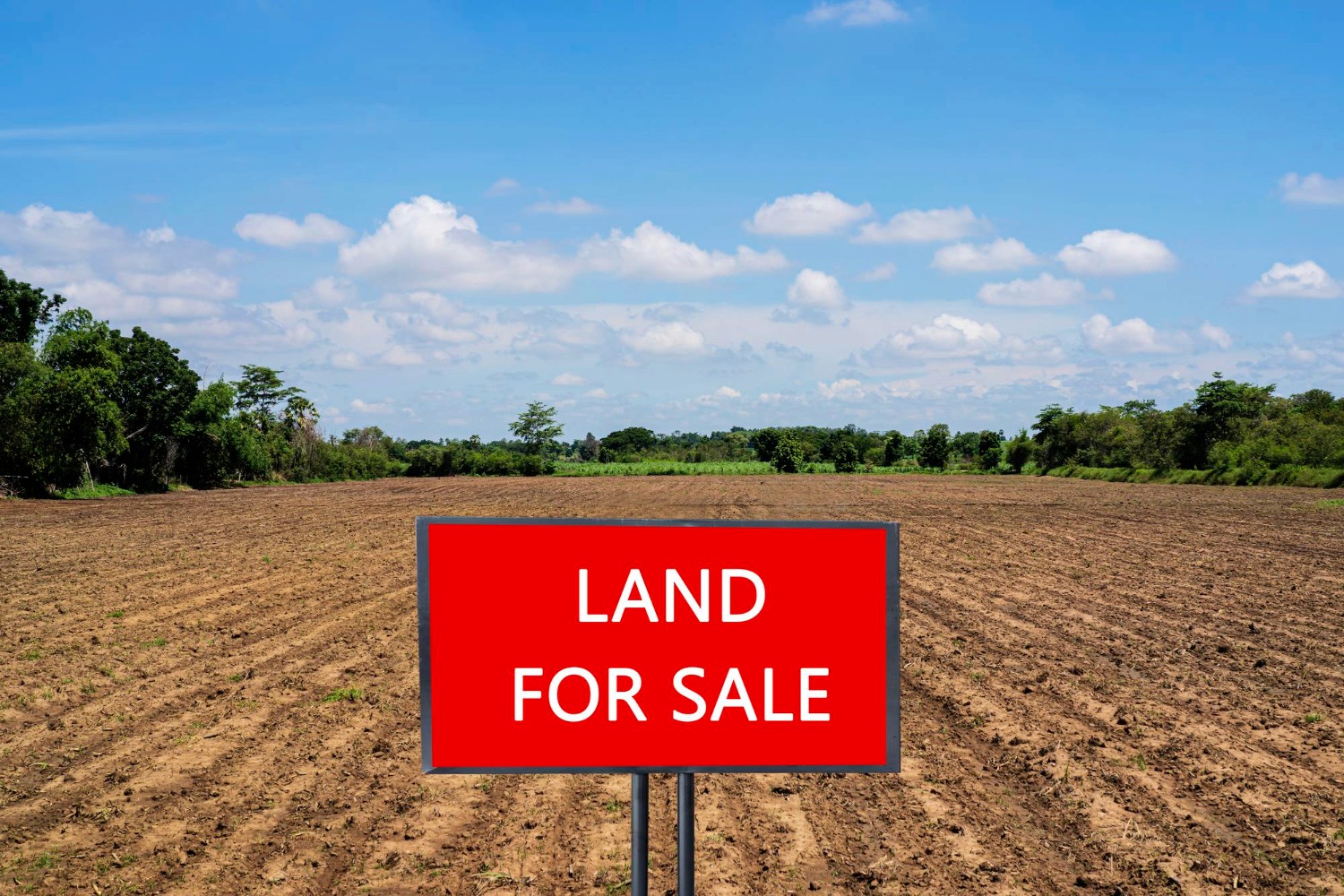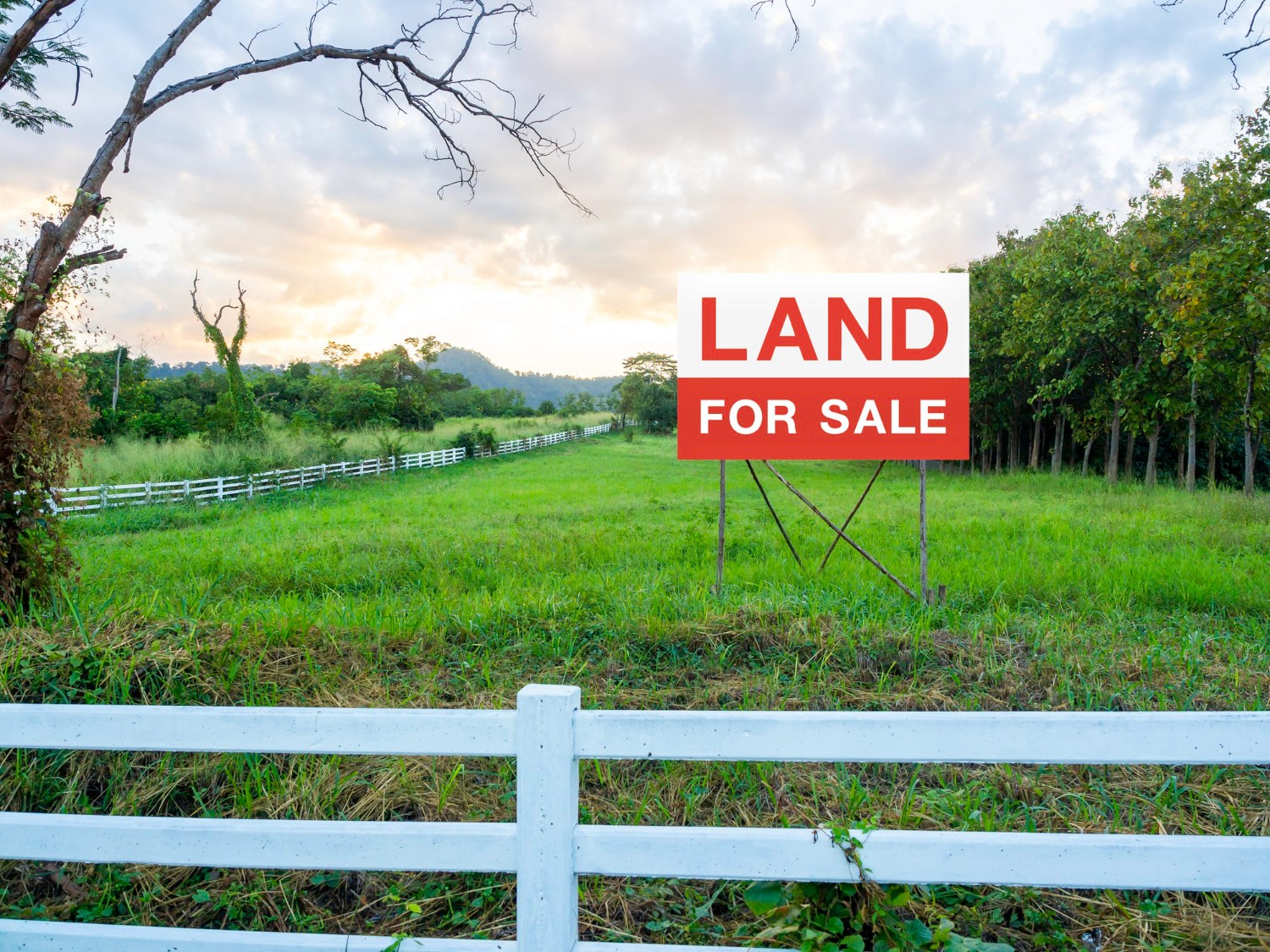
Shopping for a farm for sale in Kentucky during winter may seem like an odd time to some, but it can actually offer a few advantages. With most of the growing season behind us, the land is more open. You can see more, ask more, and take your time before spring comes back around and the pace picks up again.
This time of year gives you space to plan without being rushed by planting deadlines. Without leaf cover or tall summer crops, areas of the property that are usually hidden become clearer. Whether you're checking slopes, buildings, or nearby activity, winter gives a better view of what you'll be working with long term. Here is what matters most when you're out walking farmland during the colder months.
Cold Weather Clarity: What Winter Shows That Summer Hides
Some of the most helpful signs about a property are the ones you cannot always spot during summer. Winter strips everything down, so it is easier to judge the layout and features of the land.
When the trees are bare, you get a better view of the property lines from fence to fence
It is easier to track how water moves with the snowmelt or recent rains
Overgrown grass, branches, and weeds are not in the way when checking driveways, shed footings, drainage spots, or older barns
Fewer people out working nearby means you can walk the property at a slower pace
There is less noise and activity at this time of year, which means more time to think, ask questions, and imagine your plans for the land. Nothing is rushed, which can make for better decisions.
Know the Ground: Soil, Drainage, and Field Layouts
Land may look quiet, but it still tells a story if you listen. Soil and field shapes can make or break how a farm produces. This is a good season to watch where the land holds water, how the fields slope, or where runoff pulls topsoil into low spots.
Thawing spots, puddles, or soft soil show areas that might be too wet in spring
Standing water or streaked soil colors can point to poor drainage
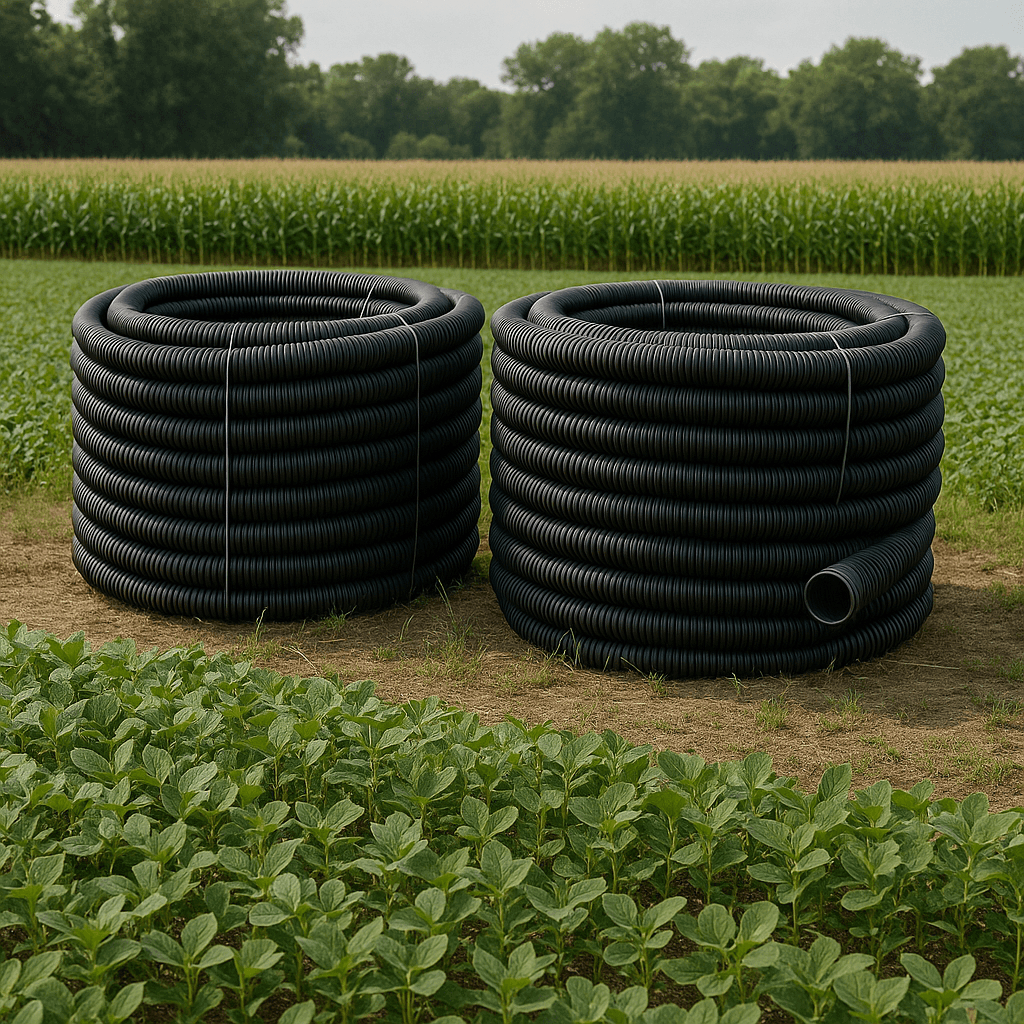
Tiled fields may reveal lines as snow melts differently across the surface
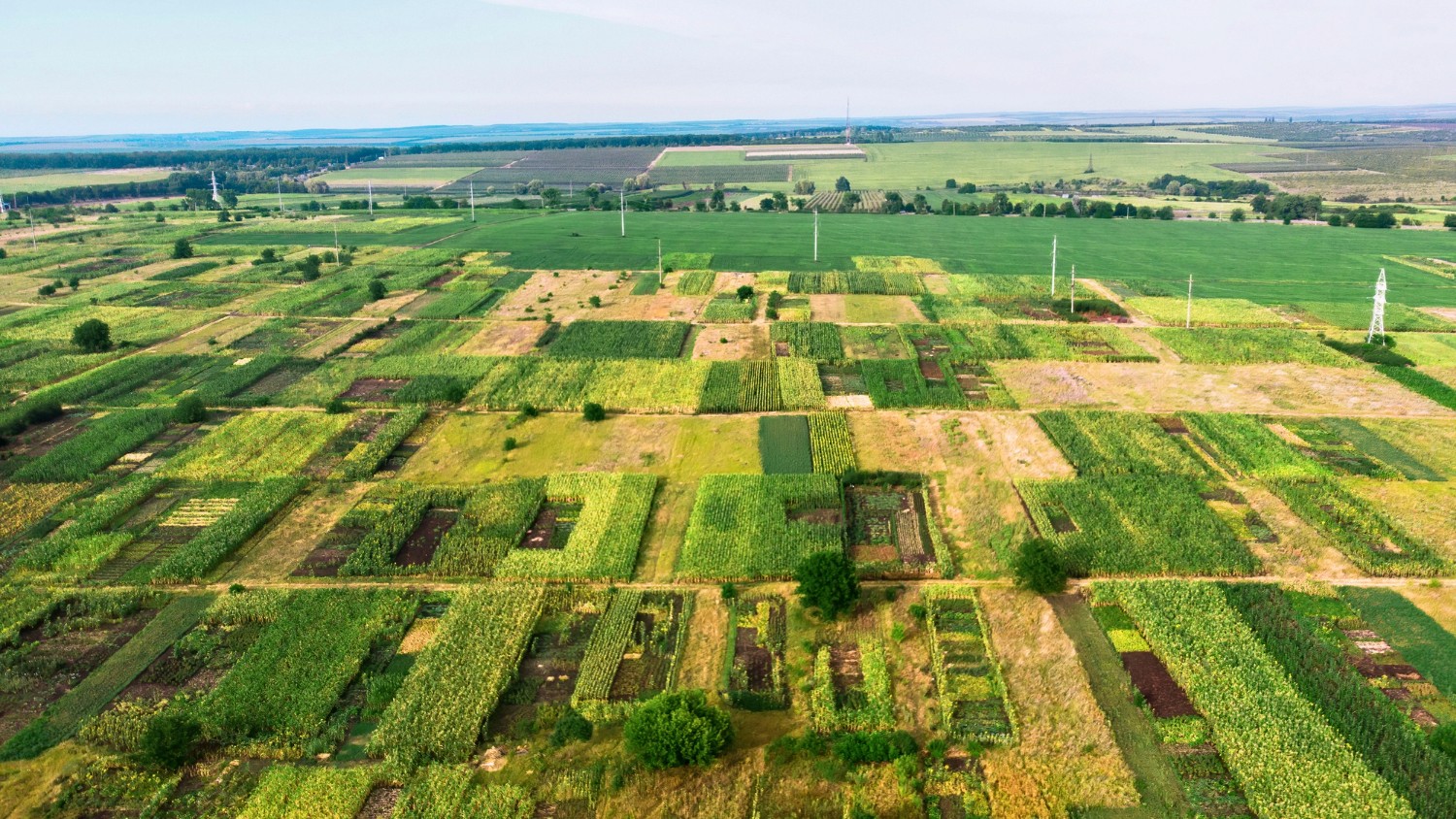
Kentucky has a wide mix of soil types, depending on the region. Western parts may be flatter and better for row crops, while the central or eastern regions have more elevation change and tree lines. If growing conditions matter to your plans, it is worth walking with that in mind or bringing someone who knows to help you read the field.
At Farmland by Dirk, we share soil maps and field-level data on listed properties to help you understand drainage, fertility, and crop suitability before you buy.
Buildings, Utilities, and Access Roads
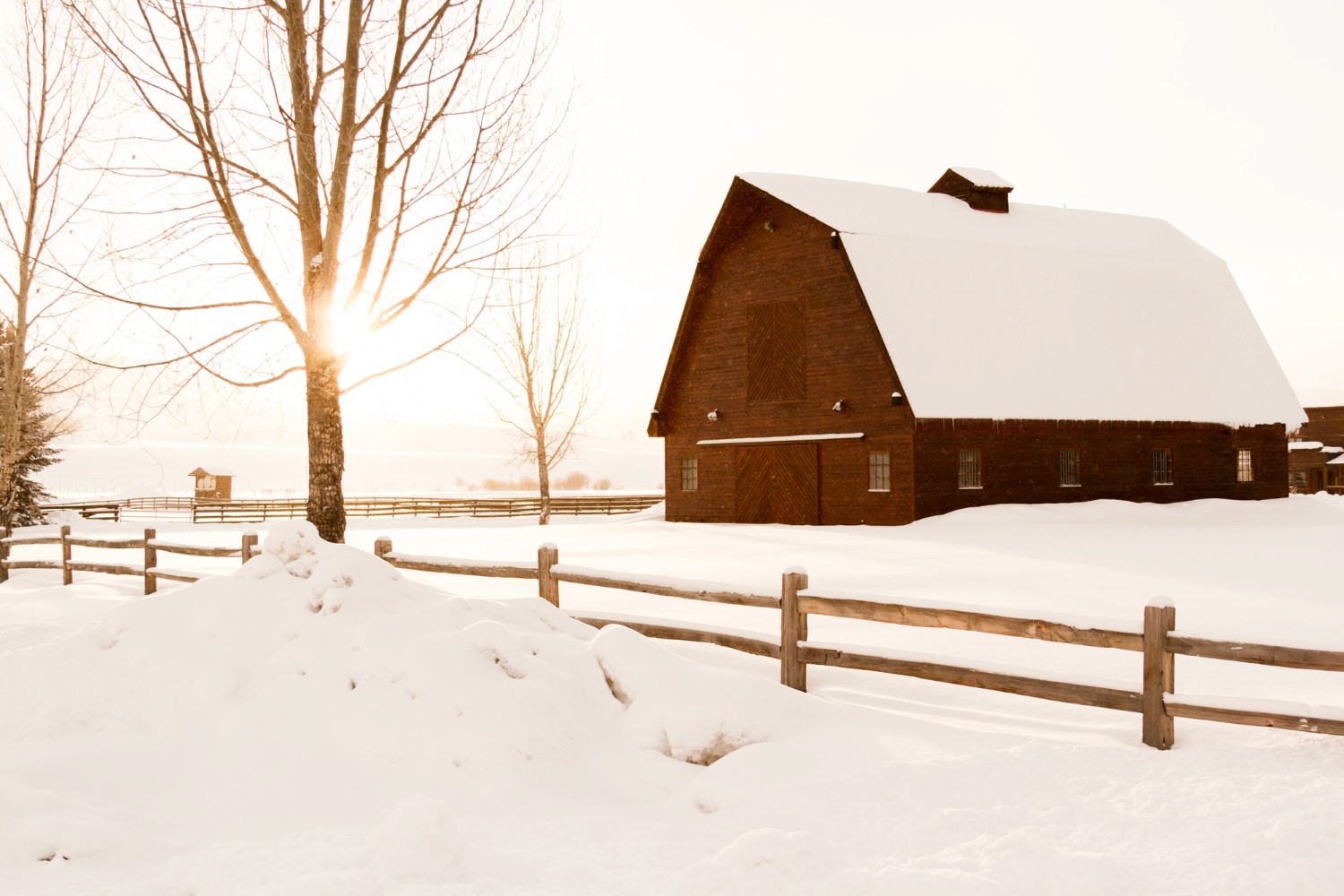
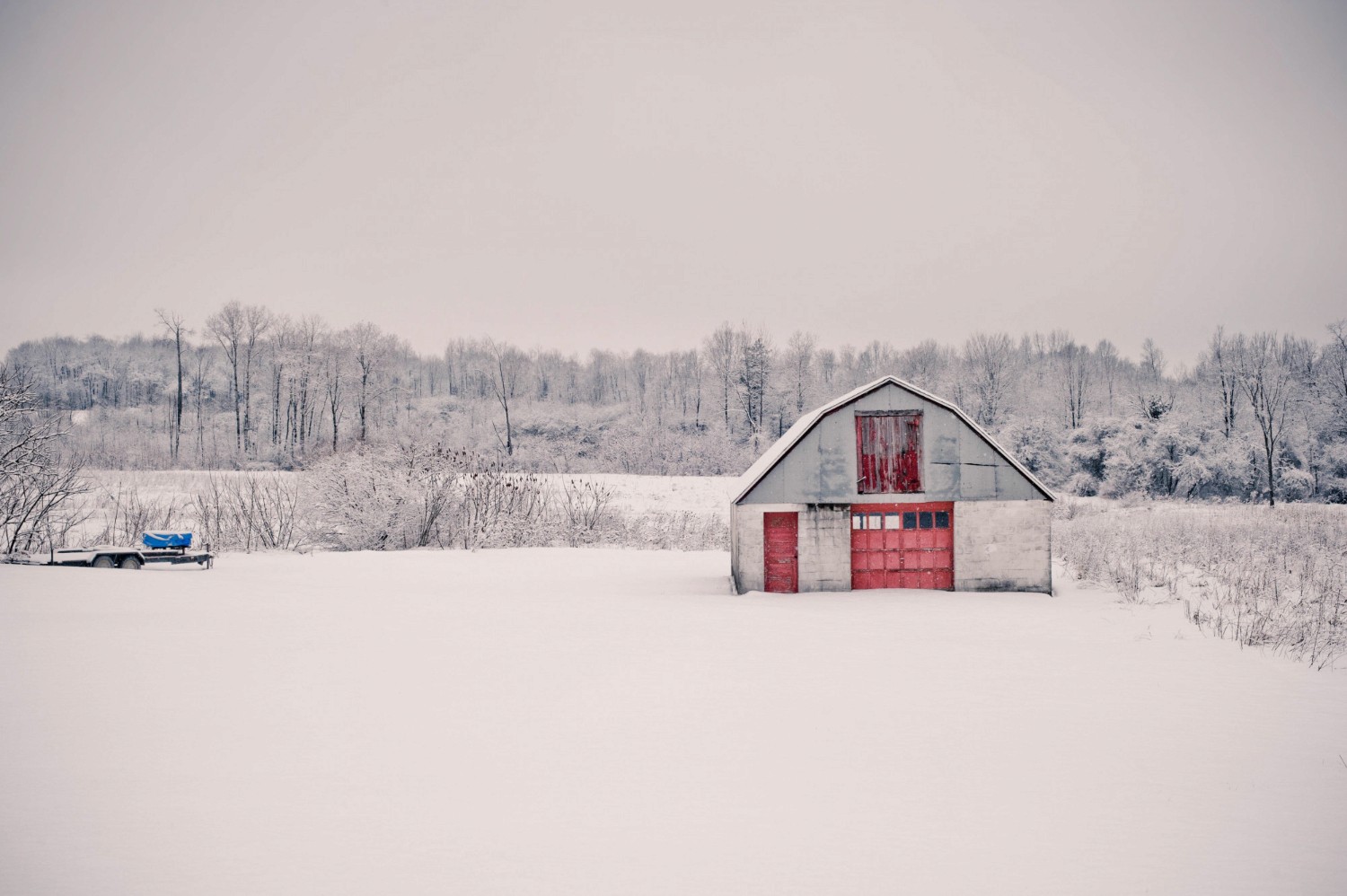
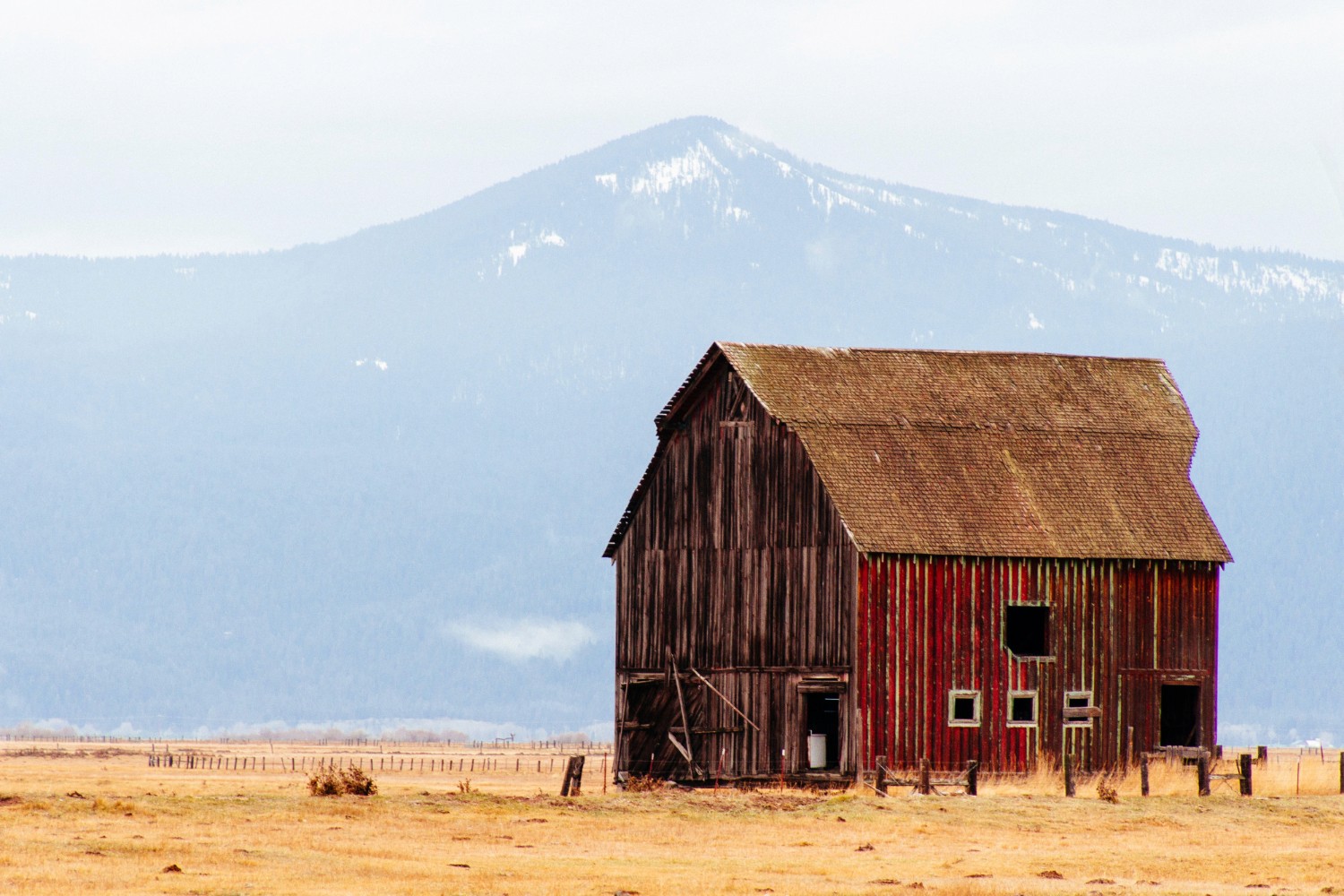
Buildings need a closer look during cold weather. Temperature swings and wind can cause or reveal damage that may not show up in summer. Doors swell, hinges shift, and wet snow can wear out roofs or gutters.
Watch for drafty areas, loose barn siding, or signs of frozen plumbing
Note how roofs hold up under snow and whether gutters are clogged or flooded
Check where driveways dip or collect slush, which can affect truck or equipment access
Electric lines tend to stand out more this time of year too, so it is easier to spot wiring that may need attention. Entry roads and gravel areas show potholes, ruts, or sliding spots in the ice that you would miss in warmer months.
We encourage buyers to walk buildings and lanes thoroughly, checking not just for condition but for year-round access, service routes, and the readiness of infrastructure for farming operations.
What’s Nearby? Think Beyond the Property Lines
One thing buyers often miss is how neighboring land or nearby activity affects the farm itself. That is especially true in more rural parts of Kentucky, where spacing does not always mean separation.
If nearby land carries livestock, it may bring odor, flies, or shared fence concerns
If someone nearby hunts, traps, or has seasonal activity onsite, it might affect how you use your acreage
How close are co-ops, grain elevators, feed stores, or livestock auctions? These things matter when you are hauling loads regularly
Winter helps you scout these things without as much local movement going on. It offers a clearer view not just of what the land is, but how it fits into the wider area. That can help prevent surprises later.
With Farmland by Dirk, you receive guidance on evaluating area services, infrastructure, and transport options vital for farm profitability in Kentucky.
Winter Buying: The Kentucky Advantage
Winter might seem like a strange time to buy land, but it gives you a head start. You can have months to shape your ideas before the tractors start rolling again. There is more time to review records, talk with sellers, and fully walk a property before mud, weeds, or crops cover the evidence.
If you end up buying a farm for sale in Kentucky when things are still quiet, it gives you a better chance to notice problems that might not stand out in summer. You are not rushing into immediate planting or planning around hay. Instead, you can let the property speak for itself and move forward with a plan that fits your pace. Once spring comes, you will be ready to go.
Thinking about buying land during the colder months? We will help you make the most of the extra time winter offers to ask questions, check the ground, and plan at your own pace. When you are ready to move forward, we can guide you to the right farm for sale in Kentucky to fit your goals. At Dirk Ricke, our local knowledge and years of experience mean you can make confident decisions. Connect with us today to discuss your next steps.