This time of year gives us a window to get organized before spring kicks into gear. The days are still quiet, but the clock is ticking. When it comes to farm management, starting early makes a big difference. By checking a few key things before planting, we set ourselves up for a better season ahead.
We know that when the weather shifts, the pace on the farm picks up fast. That’s why we focus now on preparing what we can. Strong farm management isn’t just about paperwork or schedules. It’s about giving each piece of the farm a chance to work better, smoother, and with fewer surprises once we’re back in the fields.
Check Equipment and Buildings
Before anything goes in the ground, we take a close look at the machines and buildings we rely on every year. Cold weather can be rough on gear, so this is our chance to catch small problems before they cause delays.
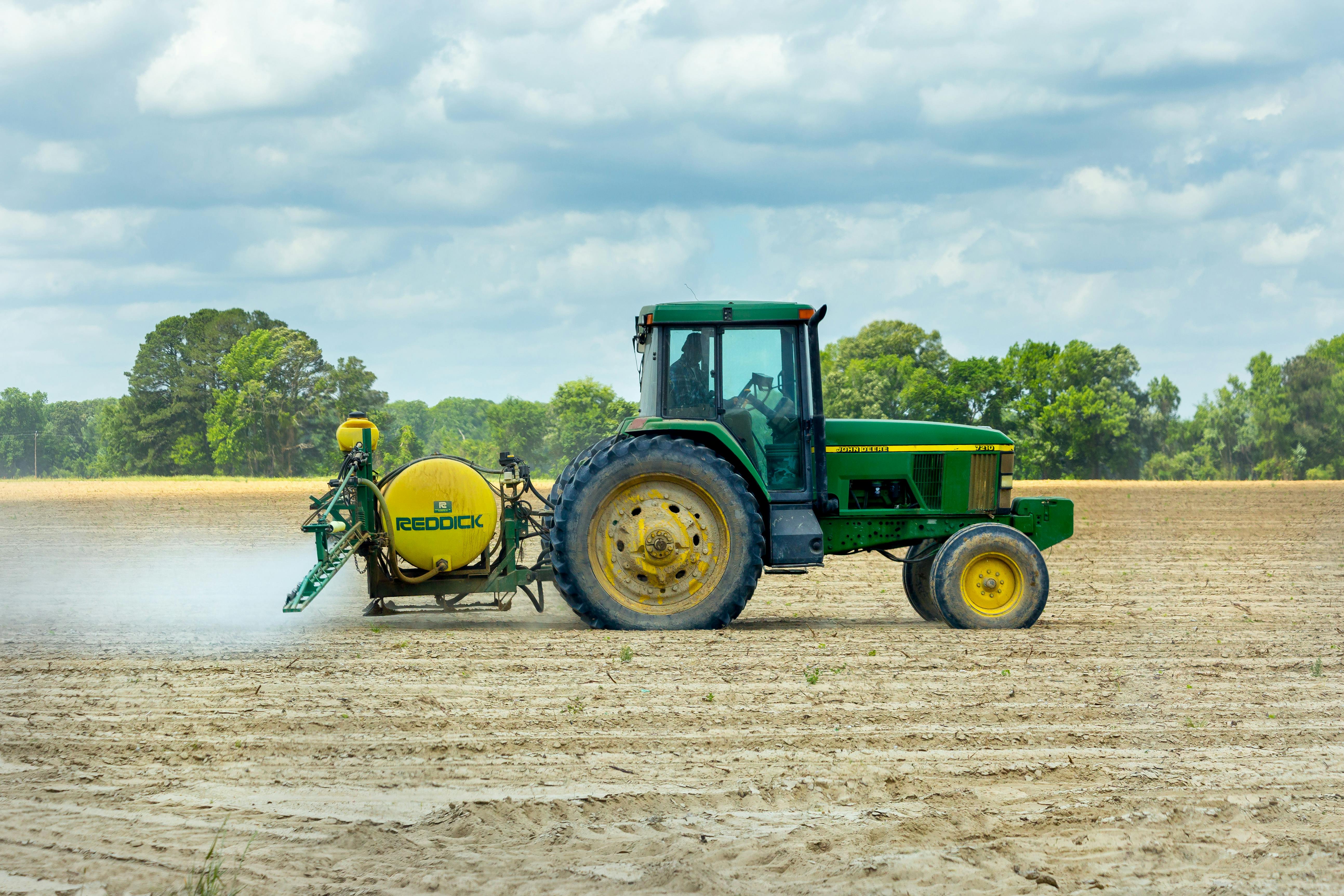
Start by checking tractors, planters, and sprayers for signs of wear or damage
Test lights, monitor systems, oil levels, and tires while the machines are still parked
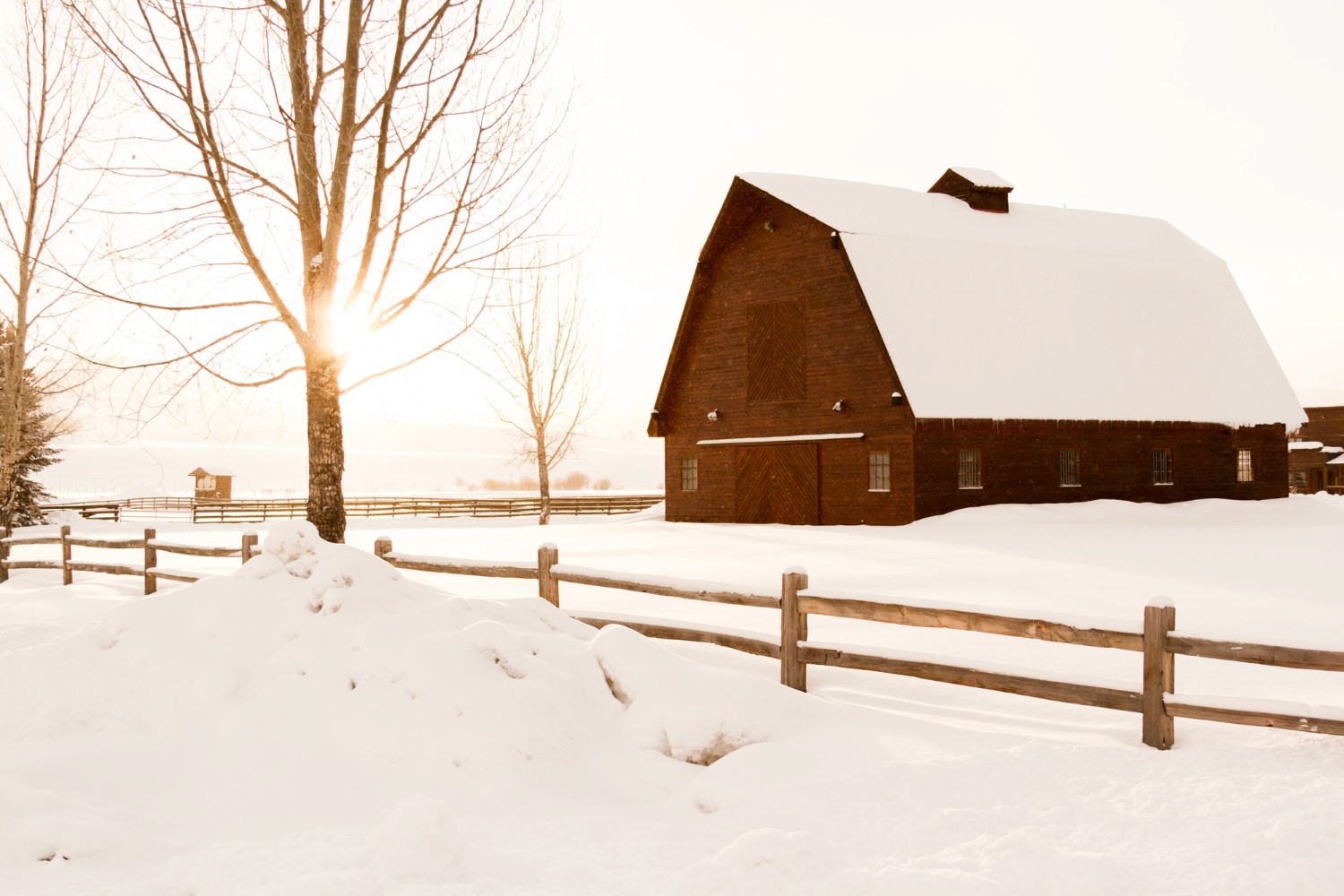
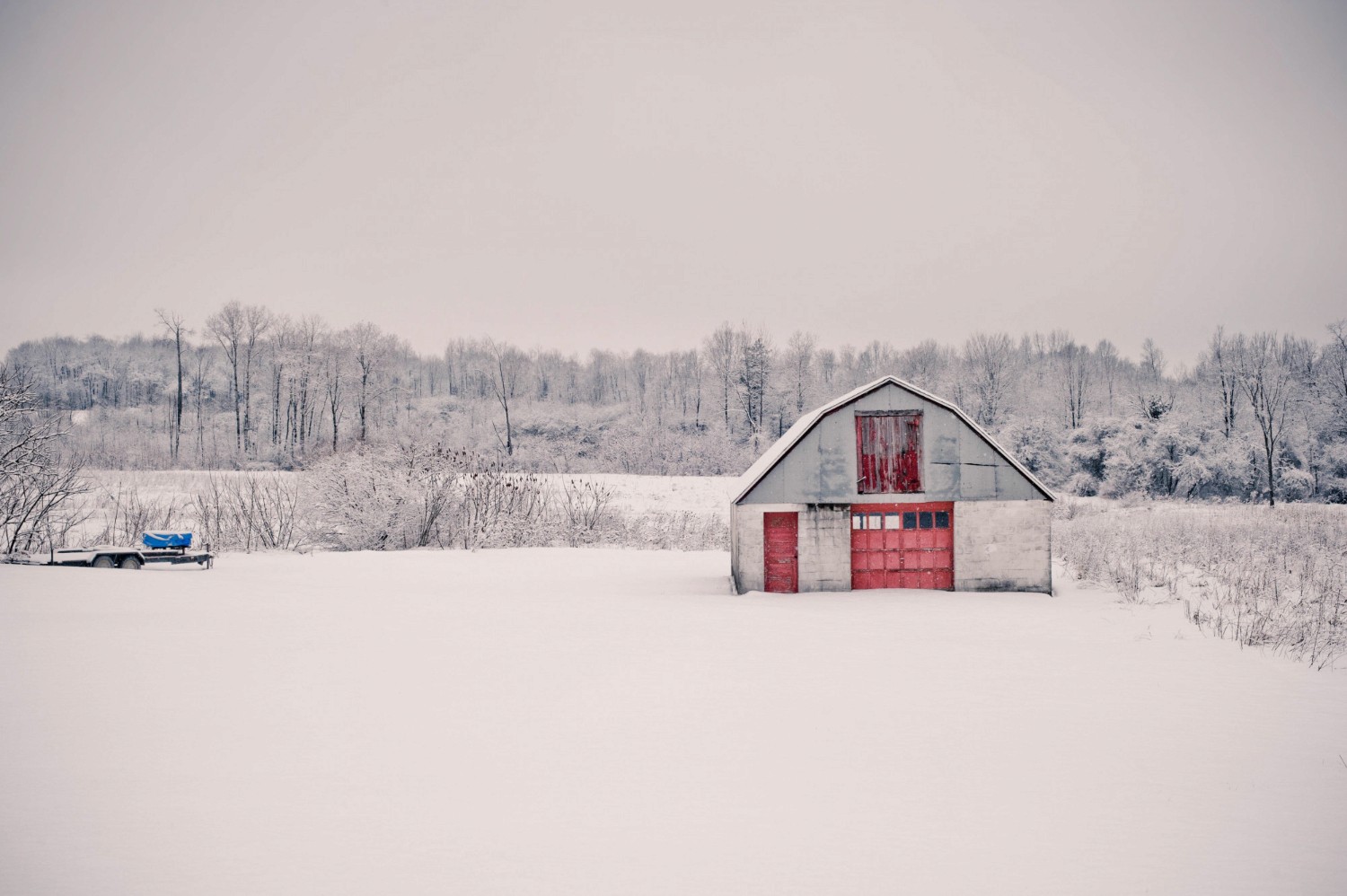
Walk through sheds, barns, and storage areas to look for any leaks, broken doors, or rodent damage
If anything needs fixing, we still have time to order parts and make repairs without feeling rushed. Getting ahead now helps protect our timeline later, especially when spring weather isn’t always predictable. At Farmland by Dirk, our farm management services routinely emphasize pre-season inspections, ensuring all assets are primed for a strong start in states like Indiana, Ohio, and Kentucky. This approach can help you avoid costly downtime and maximize your field days as soon as planting conditions are right.
Walk the Fields and Review the Soil
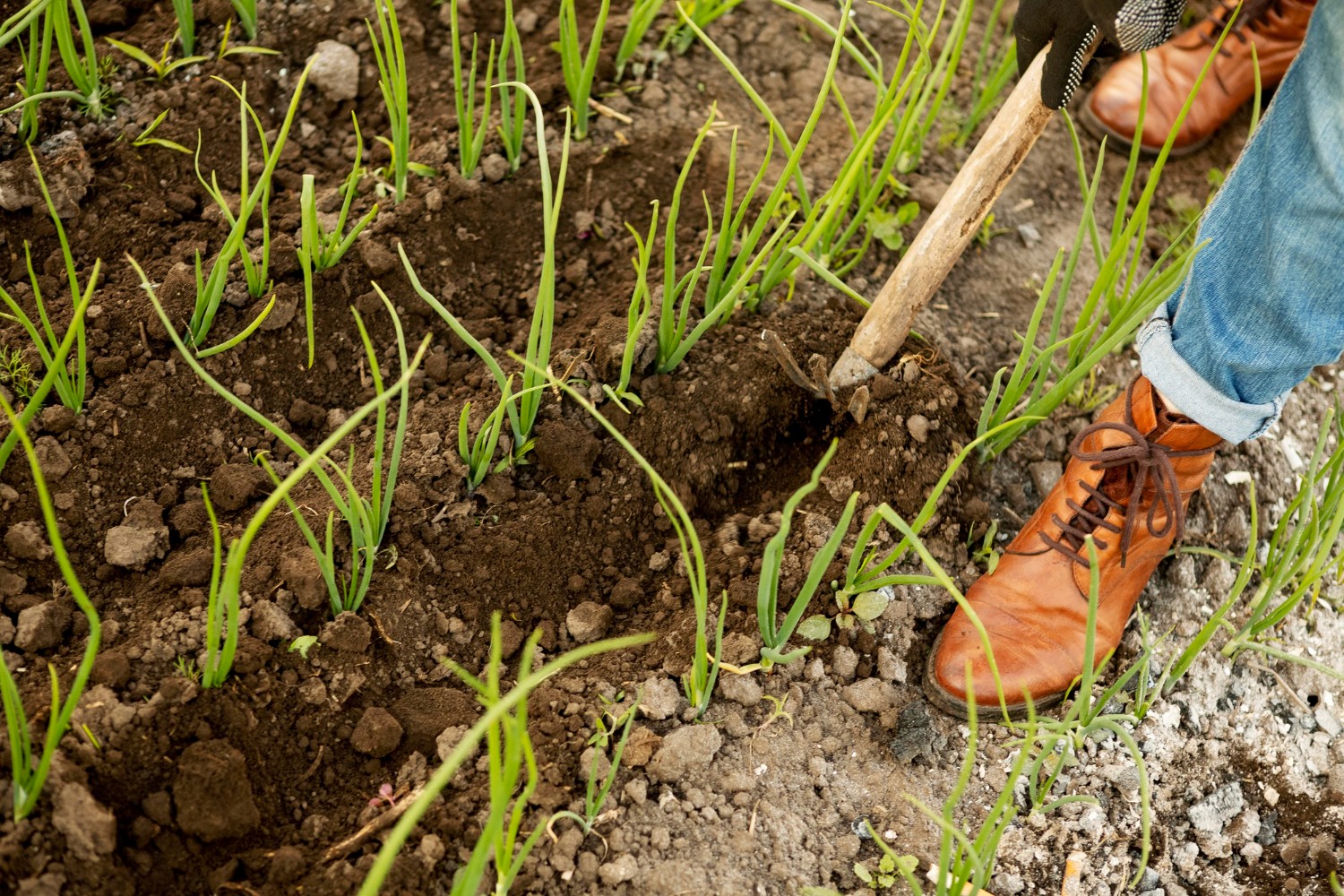
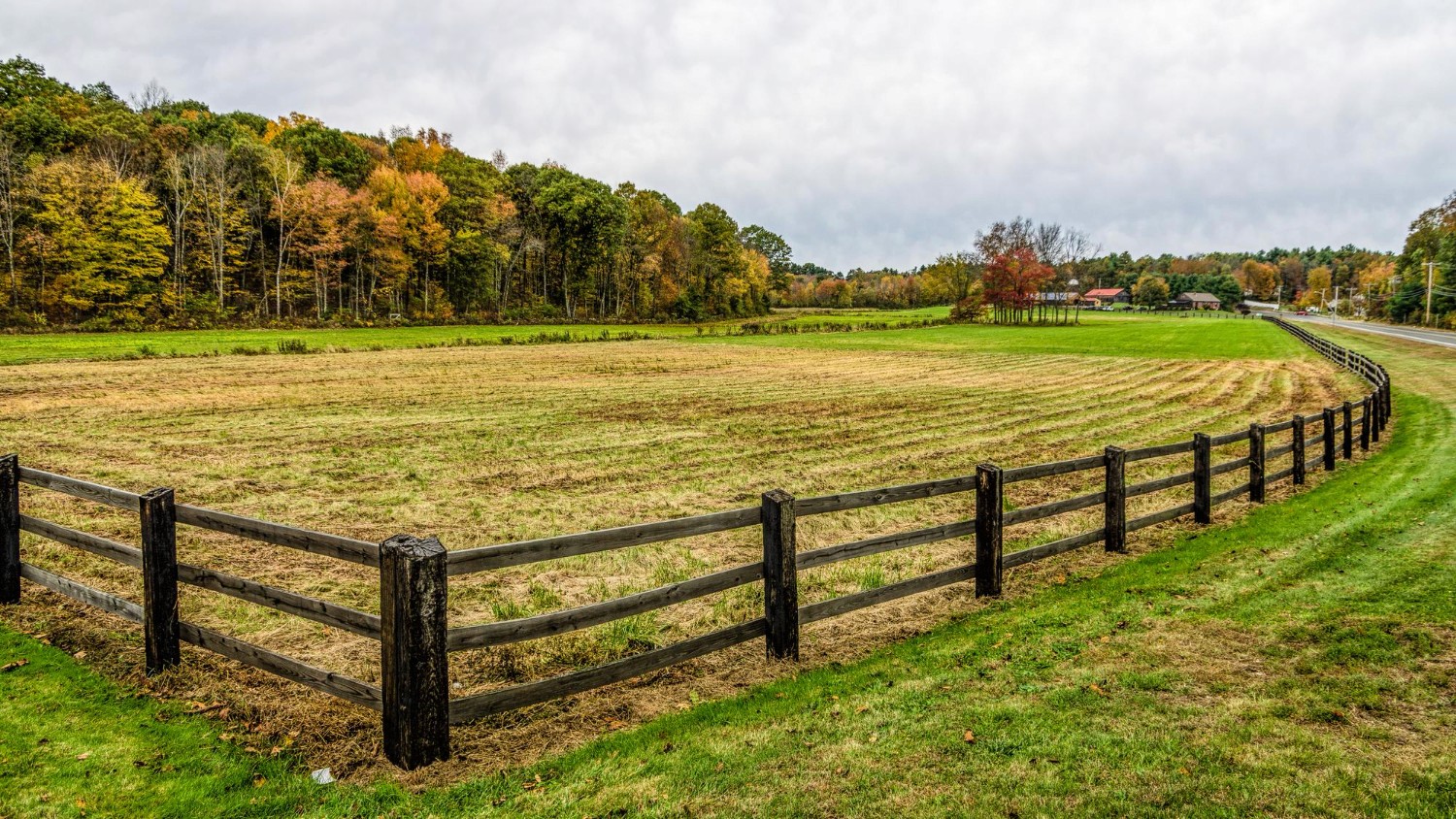
Even in late winter, there’s value in putting boots on the ground. Frozen soil might keep heavy equipment out, but a visual check can still tell us a lot. Knowing where the rough spots are today helps us avoid trouble when it counts.
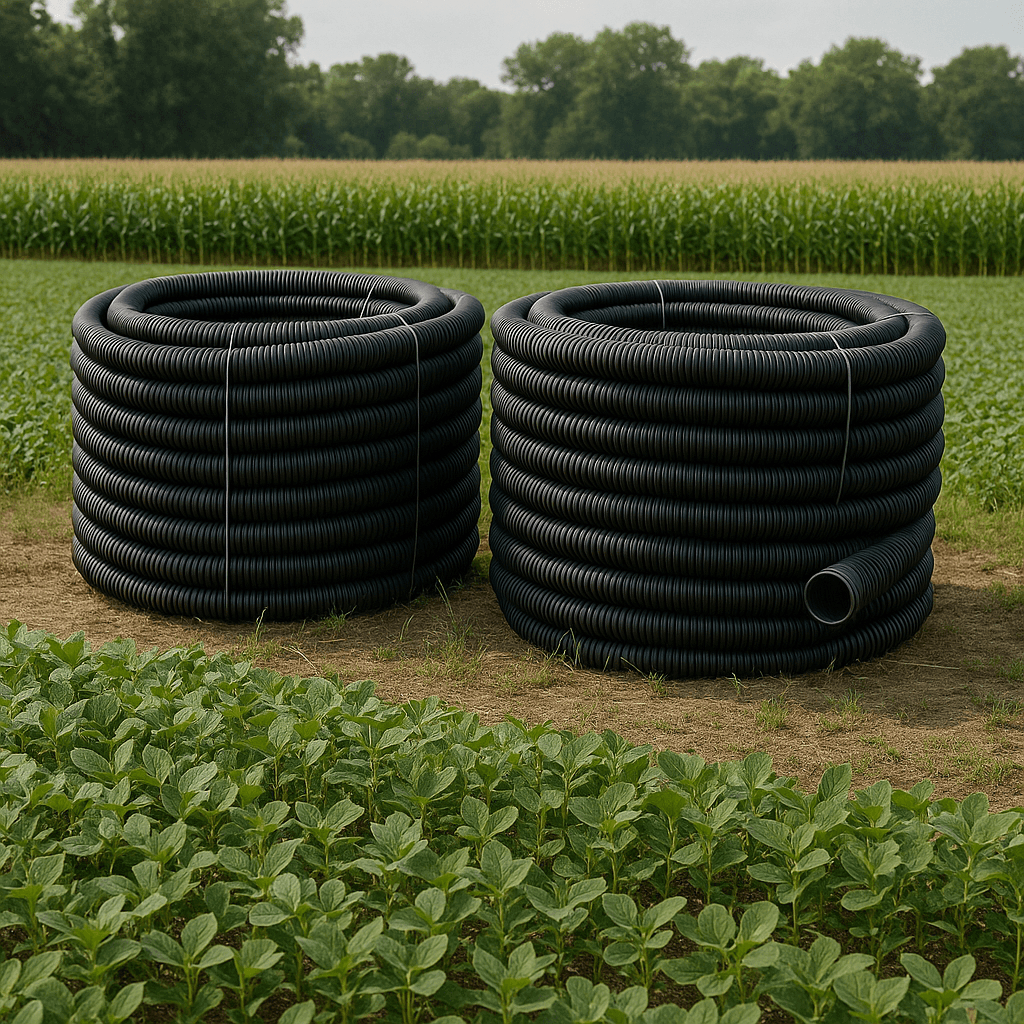
Look for spots where water stands or where drainage lines may need a closer look
Check for leftover crop material or ruts from last fall’s harvest work
See if the ground looks even or if any frost heaving or washouts have shaped the land
Walking the fields early helps us plan better for seeding, tillage, or fertilizer passes. Thinking ahead about soil health, compaction, or weak spots gives us options before decisions are locked in.
Review Crop Rotation and Field Plans
Laying out this season’s crops now makes planting smoother later. Crop rotation isn’t just a habit, it’s a part of how we keep soil healthier year over year. That’s why we spend time now mapping it out.
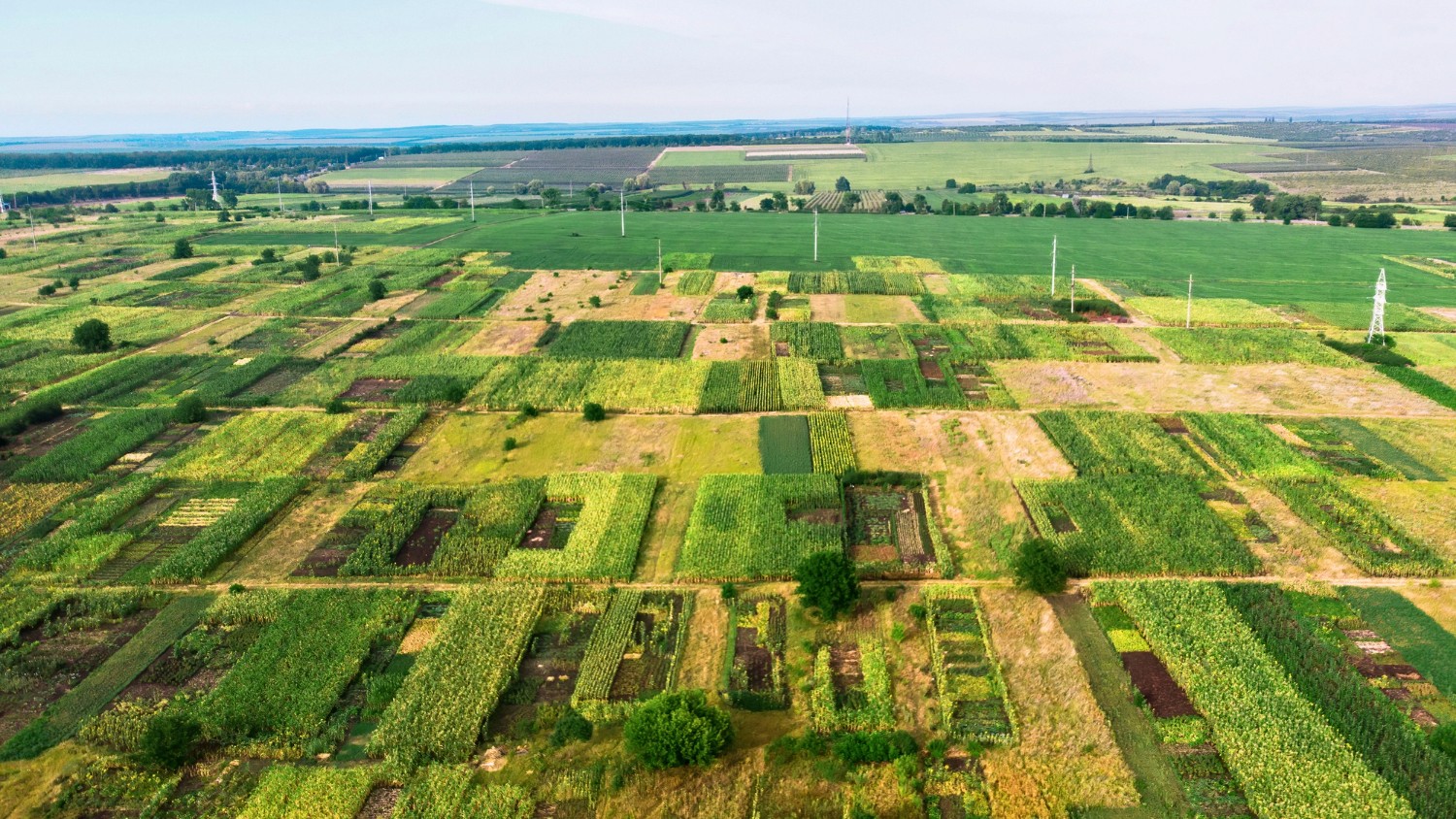
Review last season’s planting records to avoid repeating the same crop in back-to-back years
Consider which fields need a break or benefit from alternating crops
Adjust plans for seed type, fertility needs, or planned chemical use in certain fields
Field planning isn’t just about what fits. It’s about what makes sense for each acre and for our long-range goals. A few hours with paper, maps, or planning tools now saves time when we’re balancing other needs in spring. We often help our clients map out these rotations at Farmland by Dirk, tailoring recommendations for both conventional and conservation-minded operations.
Connect with Lenders and Farm Advisors
One of the best uses of February is catching up with the people who support the farm. We don’t always have time to make calls or meetings once the season’s busy, so we like to handle it ahead of time.
Talk with banks or lenders to check on operating credit or equipment loans
Meet with crop advisors or bookkeeping help to forecast plans for the year
Use slow days to review updates in insurance, inputs, or compliance paperwork
Spending time on planning with people we trust keeps projects on track and budgets clear. If goals have changed or new needs have popped up, now is our chance to fit it all together.
Keep Track of Supplies and Inputs
Nothing slows down a spring morning like missing something from the shed. Keeping a clean list of supplies now is better than scrambling for a skipped order later.
Take stock of seeds, fertilizer, herbicides, pesticides, fuel, and filters
Clean out storage areas so old products aren’t mistaken for what we still need
Touch base with suppliers to check on shipping schedules or delays
When we know what we have, we don’t order twice. And when we know what we’re missing, we have time to fix it. This step can be quick, but it can save hours down the road.
Ready for a Calm Start to Spring
Time always feels tight when spring arrives. That’s why we use late winter for structure and steady progress. Farm management isn’t about doing everything at once. It’s about making small moves that line up for bigger success when we’re back in the field.
Our support at Farmland by Dirk extends beyond planning. We provide ongoing management oversight, keep track of essential compliance, and advocate for efficient budgeting as part of our commitment to helping landowners maximize returns in Indiana, Ohio, and Kentucky. By getting organized before the spring rush, our clients enjoy better peace of mind and more flexibility once fieldwork is underway.
Planning ahead is a big part of what keeps planting season on track, especially in places like Indiana, Ohio, and Kentucky where weather can shift quickly. When we think through equipment, fields, crops, and supplies now, it gives us better control when spring gets busy. If you’d like support with your own farm management planning, we’re ready to help. Reach out to Dirk Ricke to talk through your goals and take the next step.