Once the harvest is done and the crops are in, the farm does not fall asleep. The work simply shifts. Around Indiana, Ohio, and Kentucky, this change of season marks a new focus. We stop thinking about getting through the growing cycle and start planning for what is ahead. Agricultural management this time of year is quieter in some ways, but just as important. It is about planning, upkeep, and doing the kind of work that keeps everything moving when spring returns.
The fields may look bare, but we are still busy. From checking over equipment to managing livestock through the colder months, post-harvest is full of jobs that set the stage for next season. The pace is different, but the to-do list remains steady. Here is what this season brings once the combines power down.
Checking Equipment and Storing It Right
The machines have worked hard and need a break, and so do we. But first, we check over everything while the work is still fresh in our minds. A quick fix now can keep a bigger problem away in spring.
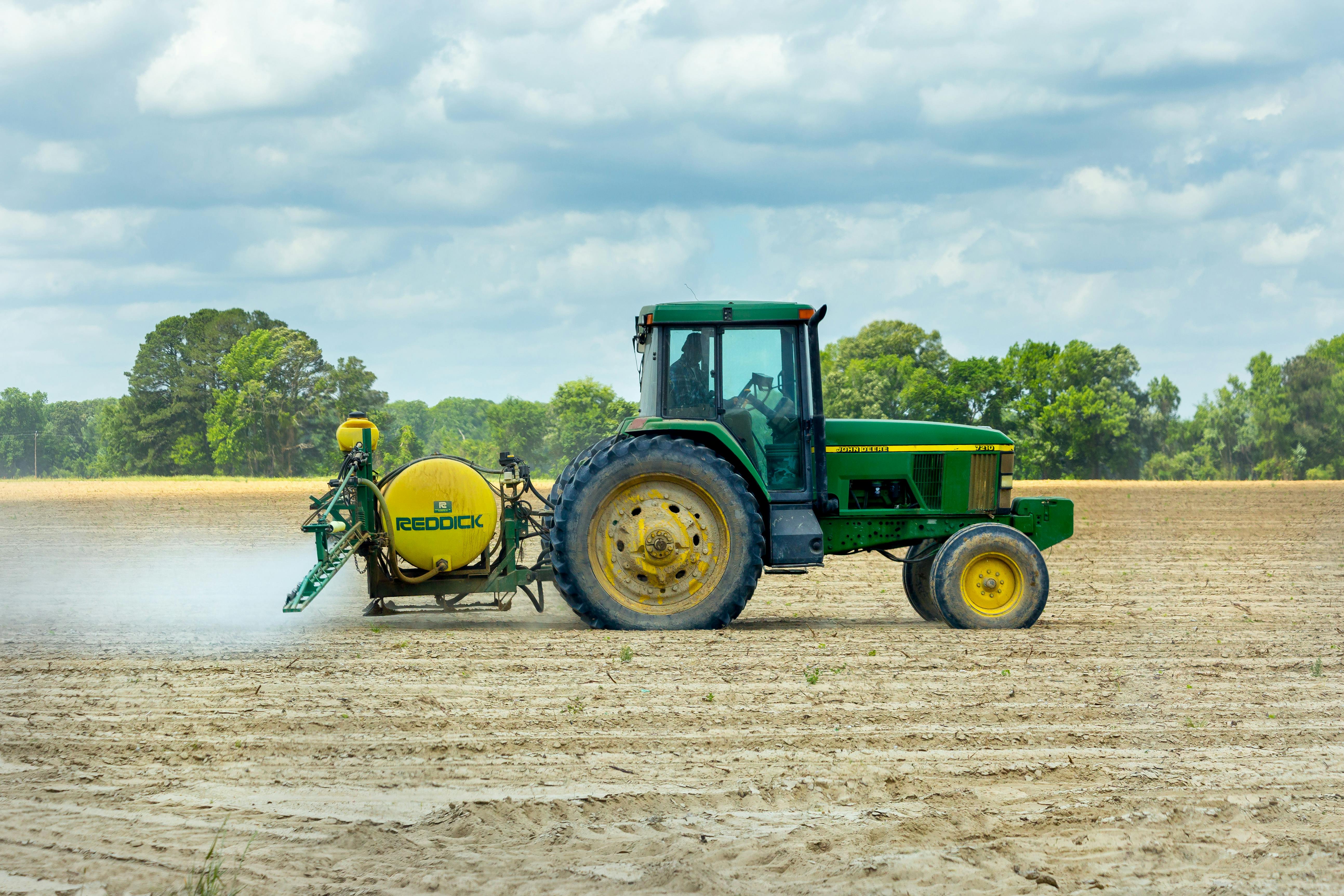
Start with the most-used equipment (combines, tractors, wagons, and planters) and look for signs of damage
Make repairs while parts are still easy to find and schedules are open
Add fuel stabilizer or drain unused tanks to help engines sit clean through winter
Store machinery under cover if possible, and keep tools out of the wind and snow
Keeping equipment clean, dry, and in good shape now saves time later. Most of us in the region know how fast spring can show up. A quiet winter day is the best time to be ready for that rush.
When we take the extra time to look for cracks, loose fittings, or worn links on our machinery, it goes a long way. We can make the most out of the lull before planting by catching issues early, organizing our tool areas, and putting everything away right. This routine helps the season start smoothly and protects our investments against the weather.
Taking Care of Soil After Harvest
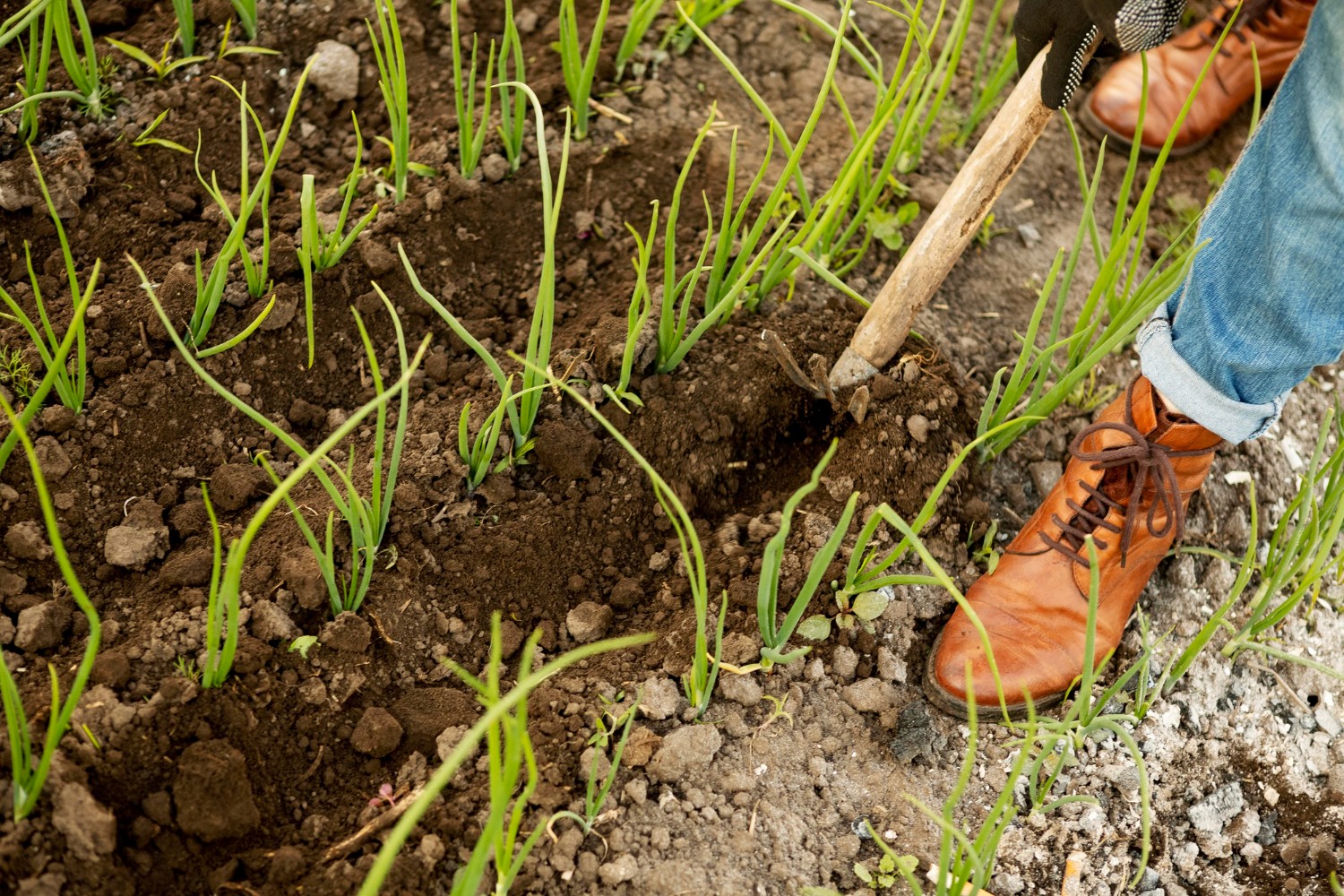
Our soil did the heavy lifting during the growing season, so now it is our turn to give it the attention it needs. Even when the field looks empty, there is still a lot going on below the surface.
Use winter cover crops where needed to keep topsoil in place and prevent erosion
Go over crop yield maps or walk the fields to think through what worked and what struggled
Test soil for nutrients so we can plan lime, compost, or fertilizer early
This downtime gives us space to think. We do not just want to react when the next season starts. We want to know what the soil needs and have a plan we trust, not just a guess. Strong soil leads to stronger crops, and winter is when those decisions are made.
By checking for bare patches or places where water pools, we can adjust our strategy for the year ahead. Adding organic matter now, or choosing the right cover crop, can make a real difference. When we put this thought in ahead of spring, we create a better foundation for our crops to thrive.
Managing Livestock and Winter Chores
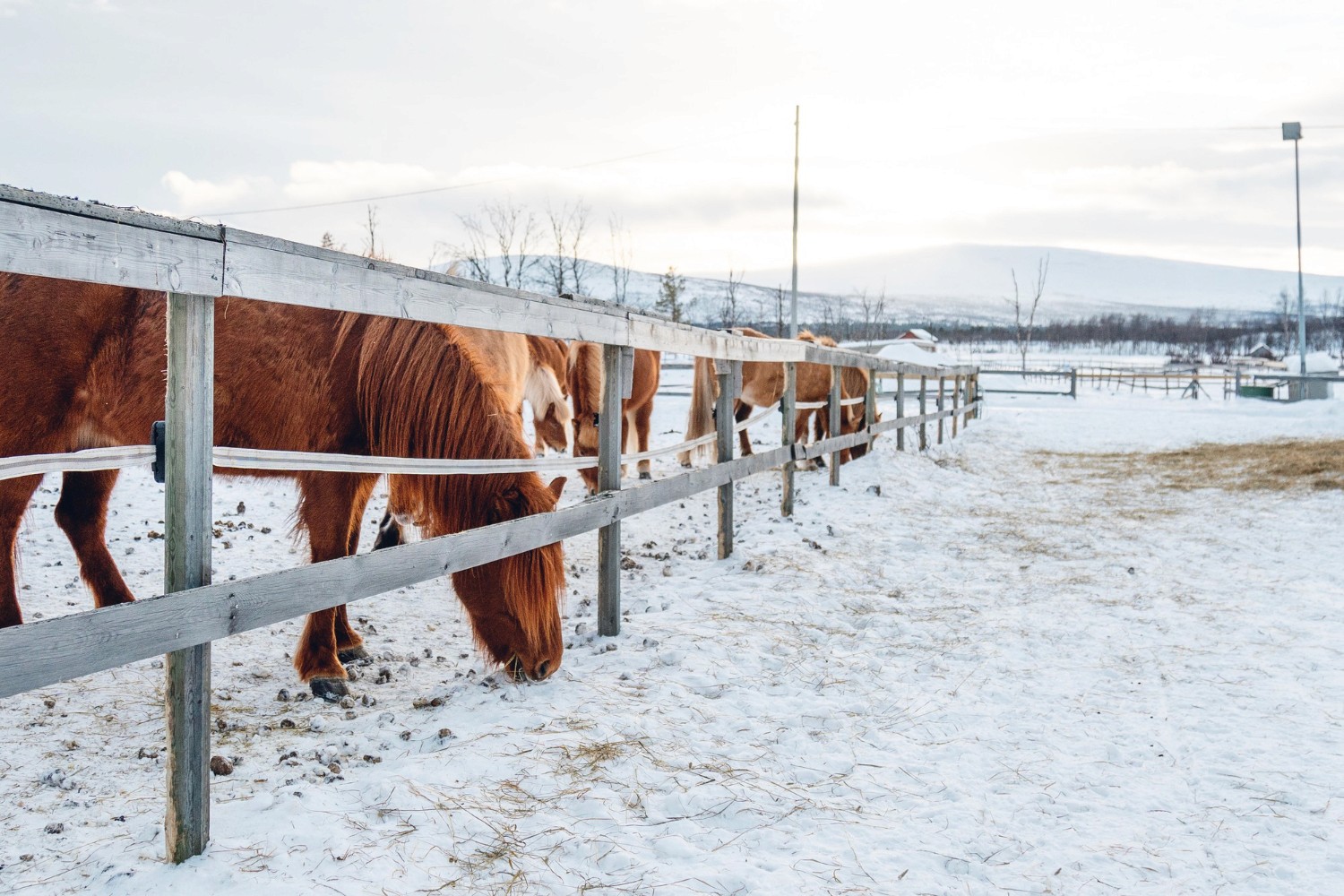
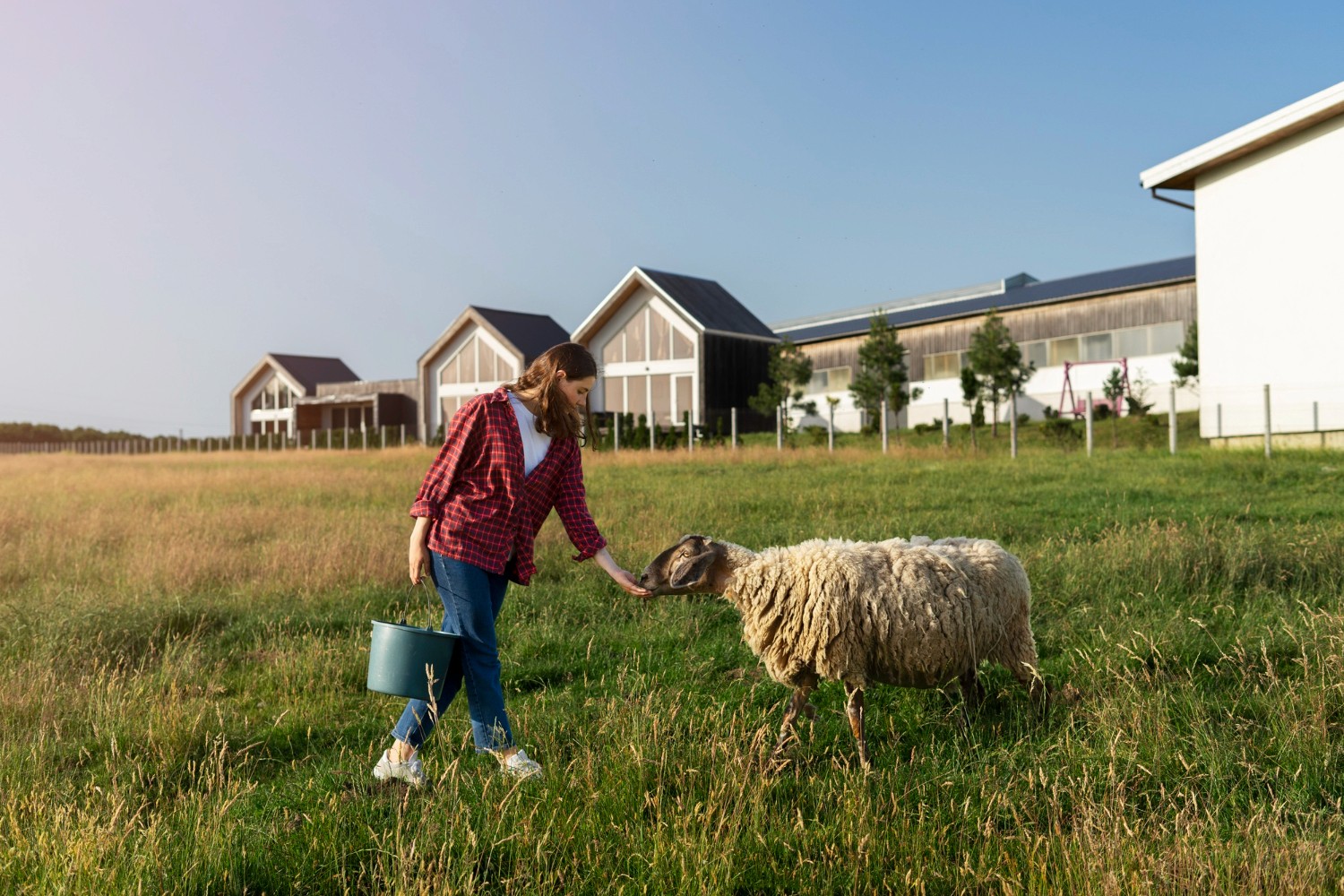
For farms that work with animals, winter adds a layer of hands-on work. The cold does not stop the daily routines, but it changes them. Shorter days and frozen water lines slow things down.
Feed and water checks take longer, especially with ice and wind
Keep shelters repaired and feeders covered
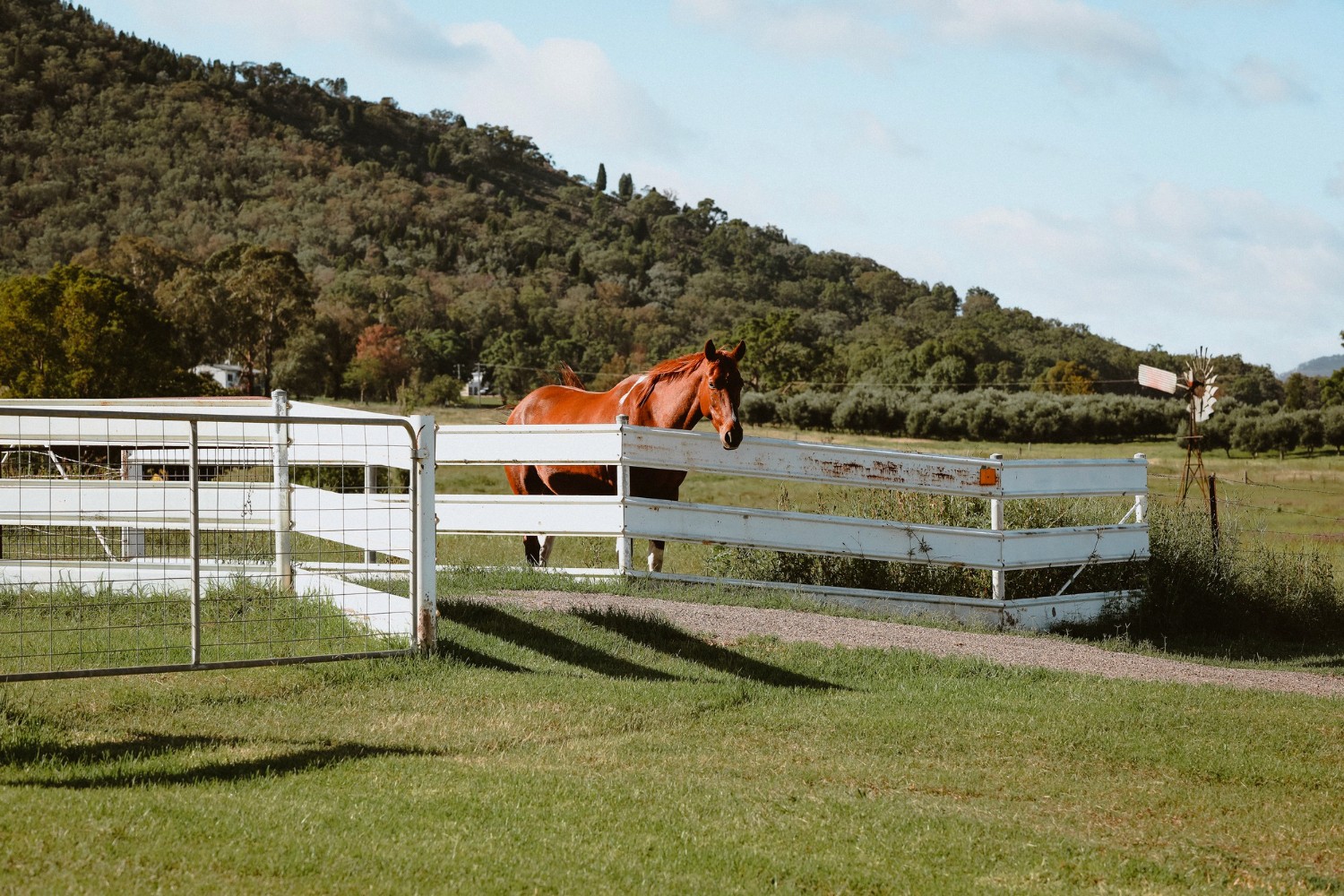
Make sure fencing is solid, since storms can wear out posts faster in wet soil
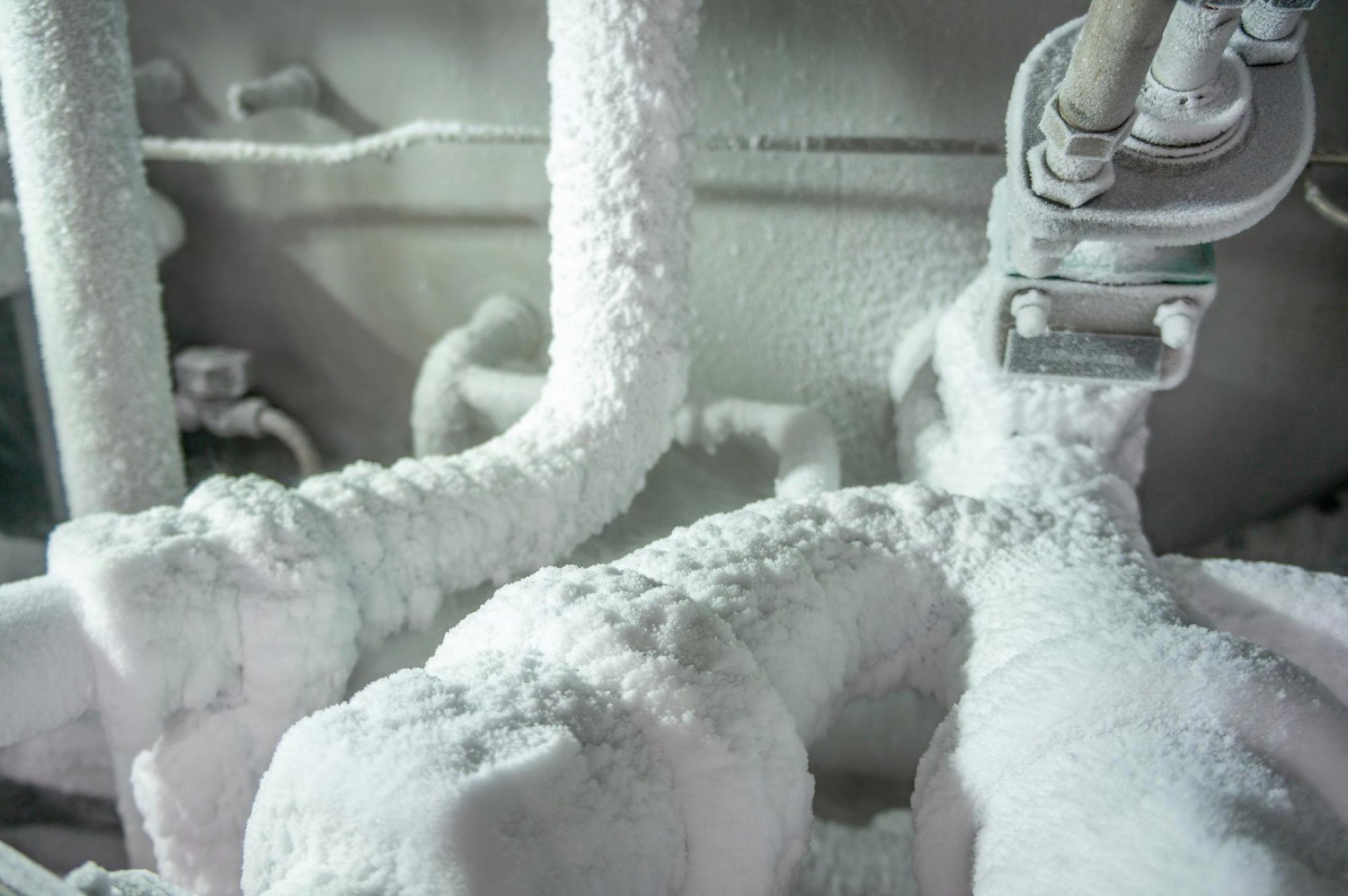
We check pipes that might freeze, make backup plans, and keep salt and grit where we walk in case of slick spots. It is not always pleasant work, but skipping it can cause bigger problems fast. Being outside more in the winter means we start slower, dress warmer, and pay close attention to what the animals are telling us.
Extra time spent keeping bedding dry and checking on gates or roofs pays off when storms hit. Watching for changes in herd behavior or signs of discomfort is part of what keeps livestock safe and healthy. Steady routines help us catch problems before they grow, so we can keep animals in good shape and ready for the warmer months ahead.
Planning for Next Year’s Crops and Goals
Now that things in the field are quiet, it is the season of notebooks, coffee, and planning. This is when we review what worked. We think about what we need to change. And we look at everything with a sharper eye.
Go through records on each crop to see what earned its keep and what did not
Adjust crop rotations and field plans for the next season
Order seed early, while choices are wide open
Set farm goals, whether it is trying a new crop, buying land, or spending smarter
At Farmland by Dirk, we also take advantage of professional farm management support that includes budgeting, compliance, and hands-on oversight tailored to local farmland. This increased focus on operational oversight is designed to help farms in Indiana, Ohio, and Kentucky remain competitive and well-prepared regardless of market conditions.
We look at the farm as a whole this time of year. What do we want our next season to look like? What is realistic? Winter gives us space to breathe, and that gives us time to think clearly about those answers. The more we prepare now, the better our chances come planting time.
Sometimes a fresh look at last season’s yield maps, sales numbers, or field notes sparks a new approach. Sitting down to sketch crop plans or research new varieties without the pressure of fieldwork helps us see options with open eyes. We make the calls now that shape how the year turns out later.
Off-Season Choices, Long-Term Returns
The fields may look empty, but the time between harvest and planting is full of small choices that carry a lot of weight. Good agricultural management after harvest keeps us from having to catch up later.
With Farmland by Dirk, our local expertise combines with real estate knowledge, offering customized solutions whether we need help securing farm leases, arranging custom operations, or adapting land use for our goals. Winter is the season for proactive management, and having an experienced resource can help us turn typical downtime into a productive head start.
Winter is when we take care of what has already happened and make sure we are ready for what is next. Whether it is checking on the soil, fixing equipment, or lining up our seed orders, this season gives us the chance to be steady instead of scrambling. Those quiet days are not wasted. They are part of what helps farms in Indiana, Ohio, and Kentucky stay strong when spring finally shows up again.
At Dirk Ricke, we understand that winter is the perfect time to handle repairs, refine plans, and evaluate your land’s needs so you can make real progress when the growing season starts. Our team focuses on decisions that support strong, steady results throughout the year. When you are ready to take the next step in long-range planning or need help with day-to-day operations, our agricultural management services are here to support your business goals. Reach out today to start planning for a productive season ahead.