Zoning restrictions play a crucial role in maintaining the balance between development and sustainability, especially when it comes to acquiring farmland. For those interested in buying Kentucky farmland, understanding these restrictions is a vital step in the buying process. These rules determine how land can be used, affecting everything from agricultural activities to residential development. Without a grasp of zoning laws, buyers might face unexpected hurdles that can complicate or even halt their plans.
When purchasing farmland in Kentucky, it's essential to be equipped with the knowledge that can smooth the transaction process and prevent future inconveniences. Proper awareness of zoning restrictions ensures you make informed decisions that align with both your immediate goals and long-term land use plans. This not only facilitates a seamless transition into farm ownership but also shields you from potential legal challenges down the road.
Types of Zoning Restrictions
Zoning laws are typically categorized into various classifications, each determining specific land uses. Here's a quick breakdown:
Agricultural Zoning: This is designed to preserve farmland and limit urban sprawl. It typically permits activities like farming, livestock, and incompatible residential development.
Residential Zoning: This applies mainly to areas intended for housing. It may include restrictions on farm-related activities or the construction of large agricultural buildings.
Commercial Zoning: For land that's designated for businesses, farming-related commercial activities may be limited. Consider whether you plan to sell products directly from your farm.
Industrial Zoning: While mainly for manufacturing and heavy industry, understanding proximity to such zones is important if you're focused on sustainable farming practices.
These classifications impact how landowners can use their properties and what modifications are permitted. In Kentucky, these zoning laws can vary significantly from one county to another. For instance, a plot zoned for agriculture in one county might permit agritourism operations, while another may not. It's essential to research the specific zoning regulations in the area you're considering to avoid surprises.
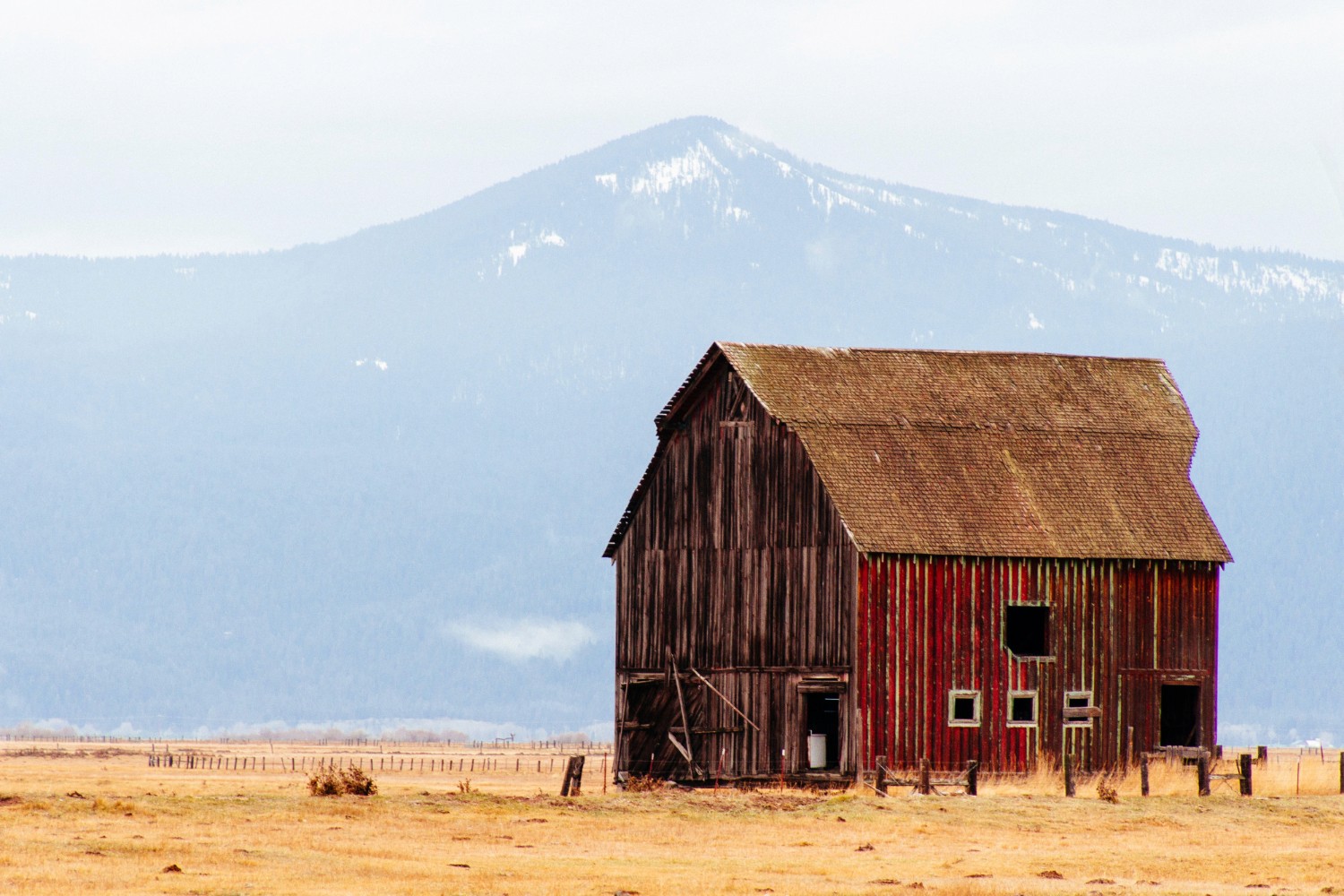
By considering how these zoning types affect land use, buyers can plan accordingly. If you dream of adding a farm store or turning a barn into a wedding venue, you'll need to confirm that you're operating within local regulations.
Consulting local zoning offices or urban planning departments can provide insights into allowable uses and any specific conditions or variances that can be applied for. This helps ensure that your vision for the farmland aligns with the legal framework, allowing for smooth transitions and minimizing future risks.
How Zoning Restrictions Affect Farmland Usage
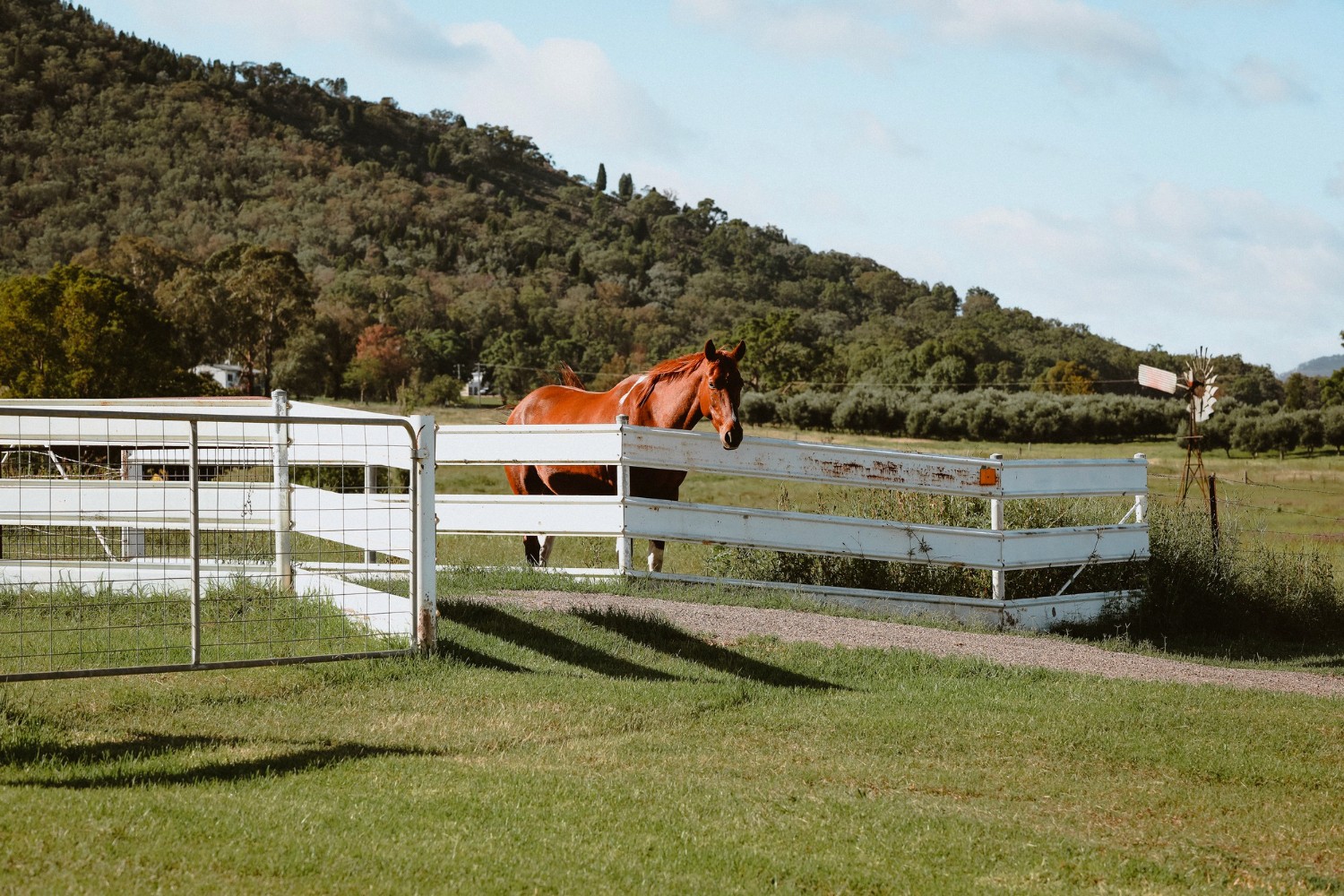
Zoning laws directly shape how you can use your farmland. Whether you're raising livestock, growing crops, or considering adding tourist-friendly activities like farm tours, each has specific regulations to follow. For instance, if you're interested in livestock farming, you must check if there are limits on the number of animals you can keep. This ensures that your farming practices do not disturb neighboring areas or strain local resources.
Crop types often come with their own set of rules as well. Certain zoning areas might restrict crops that consume large amounts of water or that are not native to the area. This is often done to preserve the natural ecosystem and to manage water resources efficiently. Knowing these specifics ahead of time can save a lot of hassle and help plan your farm operations effectively.
Rules on agritourism can vary, too. Some zoning areas might welcome the idea of a corn maze or hayrides, while others might require a special permit. Exploring these options means looking into whether there are exceptions or conditional uses. Local authorities might allow certain activities if they see potential economic benefits or minimal environmental impact, but you'd need to consult with them to get accurate guidance.
Navigating Zoning Laws and Getting Approvals
Understanding and navigating local zoning laws can initially seem complex, but it's a necessary step. Starting with thorough research is key. Check with county or municipal zoning offices to get the most up-to-date descriptions of zoning maps and restrictions in the area you're interested in.
Once you're clear on what's allowed, you might need to apply for zoning approvals or variances if your intended use doesn't fit neatly within existing categories. This generally involves submitting a detailed plan of how you intend to use the property, which local boards will review. Always be prepared for questions or requests for modifications to ensure your plans fit the community's long-term vision.
Seeking approvals can come with its own hurdles, like understanding local regulations or facing community pushback. That's why it's helpful to build a network of resources. Connect with others who have gone through this process, learn from their experiences, and gather advice. Usually, local offices are willing to help clarify any confusion and provide guidance on the steps to take, which can be invaluable as you navigate zoning and adjust your plans accordingly.
Planning for Success: A Well-Informed Approach
Being well-informed about zoning issues will set the stage for a successful farmland purchase. This preparedness assures you that your dreams align with all legal requirements and that your investment supports a sustainable land use approach. By taking the time to research and understand these regulations, you minimize the risk of encountering unwelcome surprises that could halt your farming dreams.
Thinking ahead about potential expansions or modifications is also smart. Knowing the ins and outs of zoning means you can see the bigger picture, creating a strategy that not only satisfies current regulations but also leaves room for future growth or diversification of your farm. This proactive approach will give you peace of mind, enabling you to focus on what truly matters—making your farming endeavors thrive.
Navigating the complexities of zoning laws is crucial when considering a farmland purchase, ensuring your investment aligns with local regulations. For those seeking a seamless buying experience with an expert's touch, look no further than Dirk Ricke. Explore how you can find the perfect Kentucky farms and ranches for sale that align with your aspirations and comply with zoning requirements. Let us guide you to a property that matches your vision and paves the way for future success.