Winter can feel like the quiet season on the farm. The crops are in, the fields sit still, and things look calm from the outside. But agri management doesn't stop when the thermometer drops. In fact, it's one of the most active times for planning, checking, and getting ready for the next year.
Winter brings different needs than the busy growing months. There are fewer daylight hours, frozen ground, cold snaps, and the pressure of keeping everything running even when not much is growing. Whether managing a larger farm or keeping a small piece of land in Indiana, Ohio, or Kentucky, the cold season brings its own list of work. We look at how agri management adjusts in the winter and how staying steady now can set up a smoother spring.
Staying Ahead of the Weather
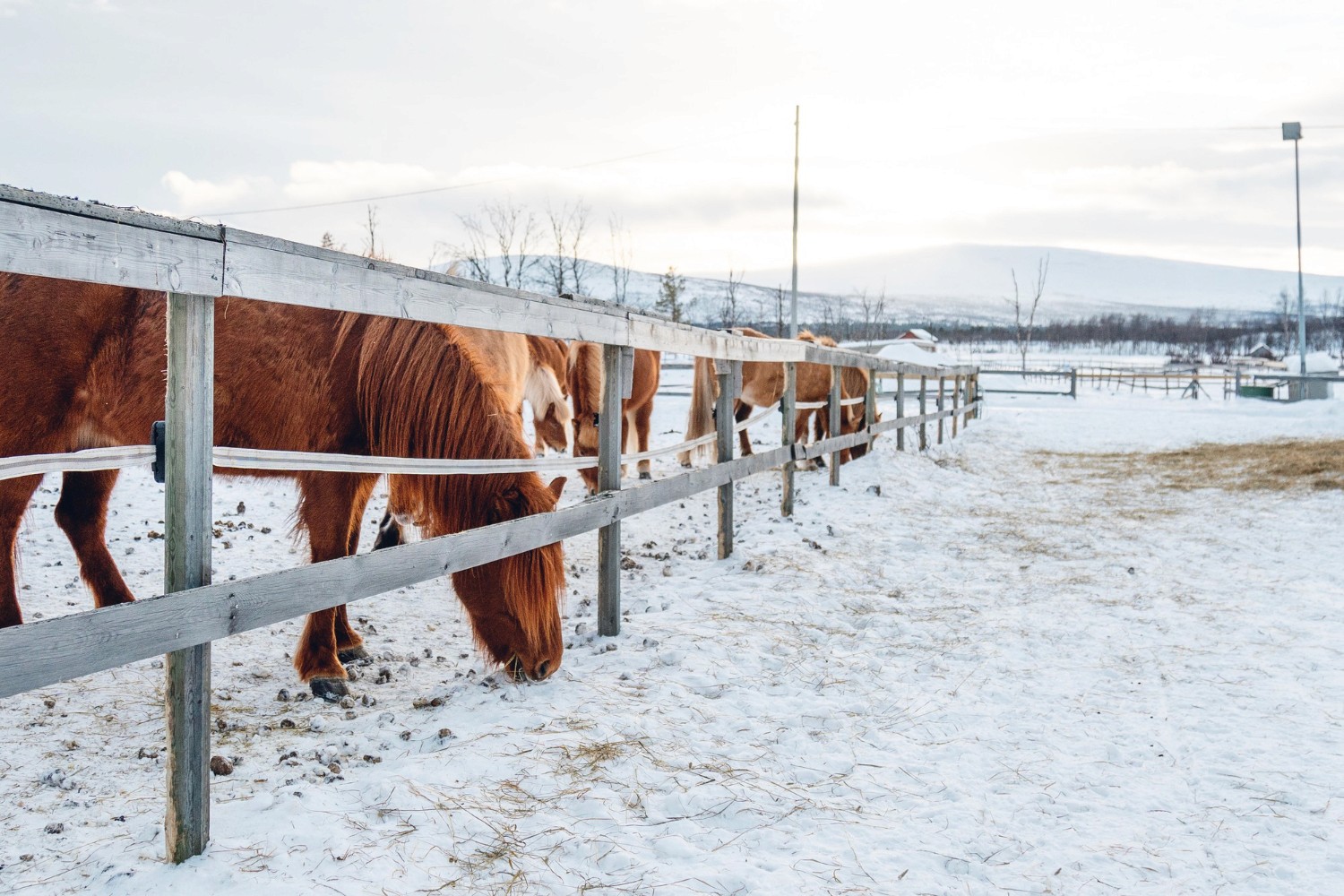
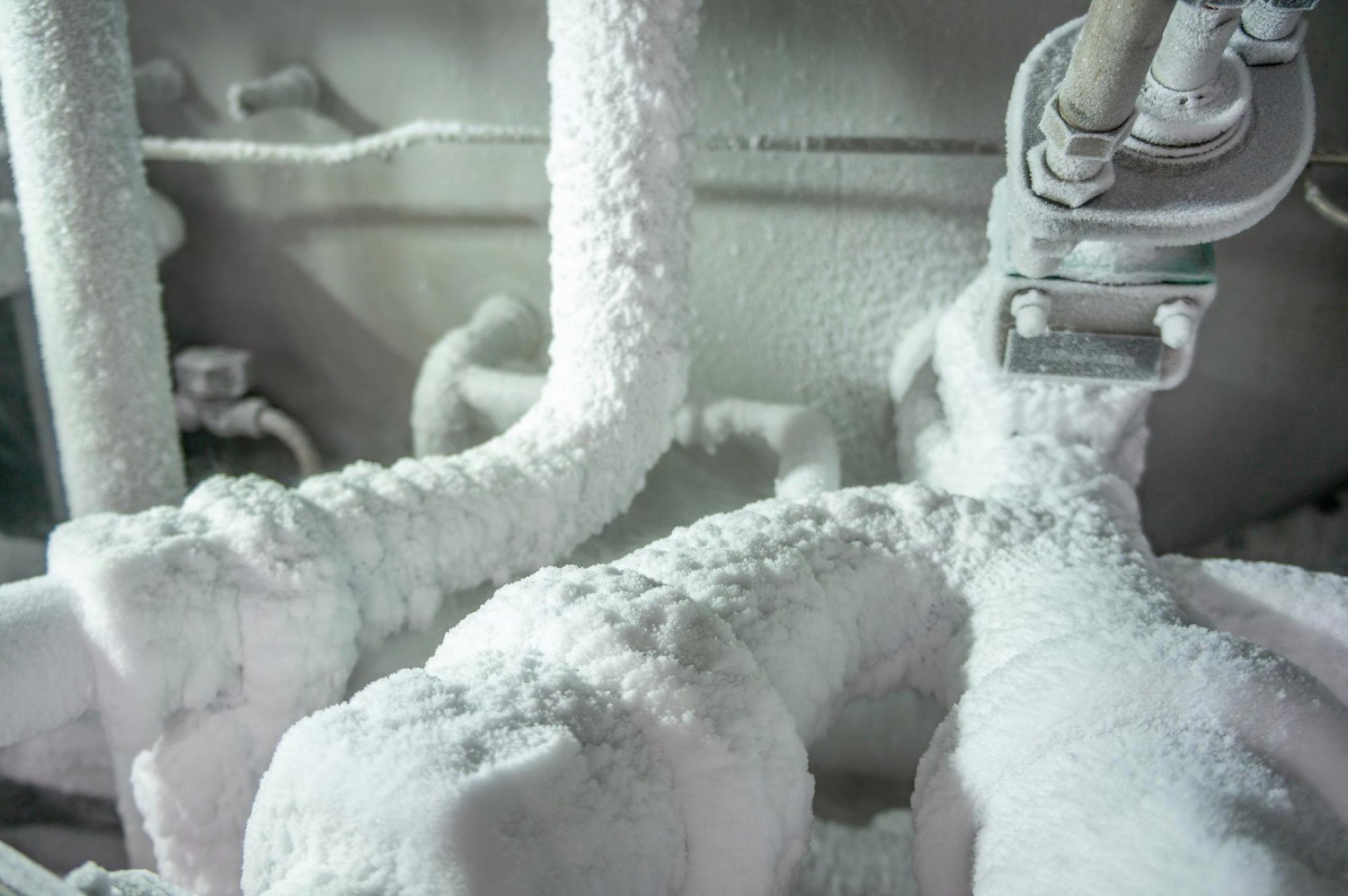
Cold air and unpredictable weather are part of life during winter, and they affect more than just comfort. Livestock needs more care with freezing temperatures. Equipment reacts slower. And the risk of slippery roads or icy fields can get in the way of everyday jobs.
Freezing rain, snow, and sharp wind can delay feedings or maintenance
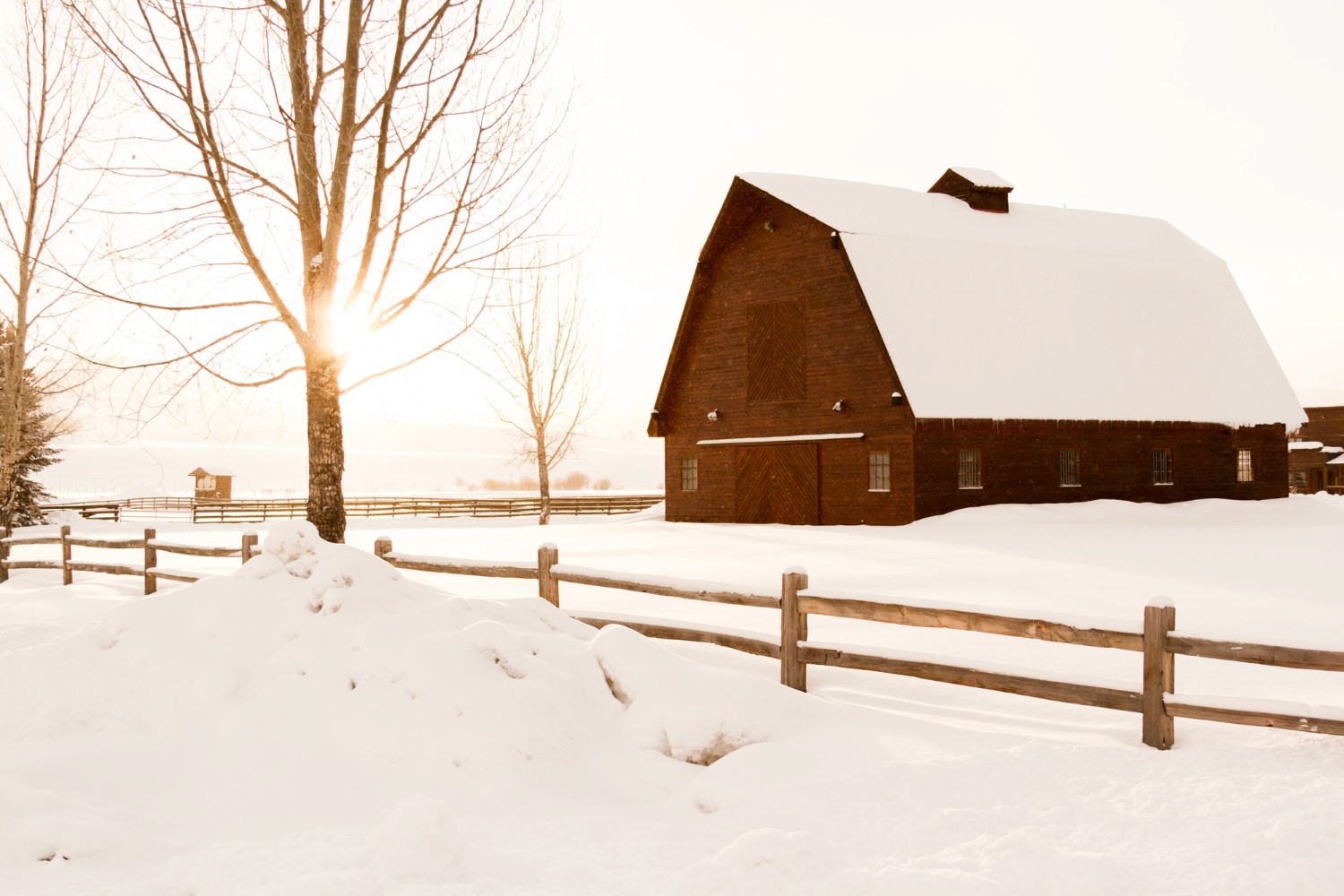
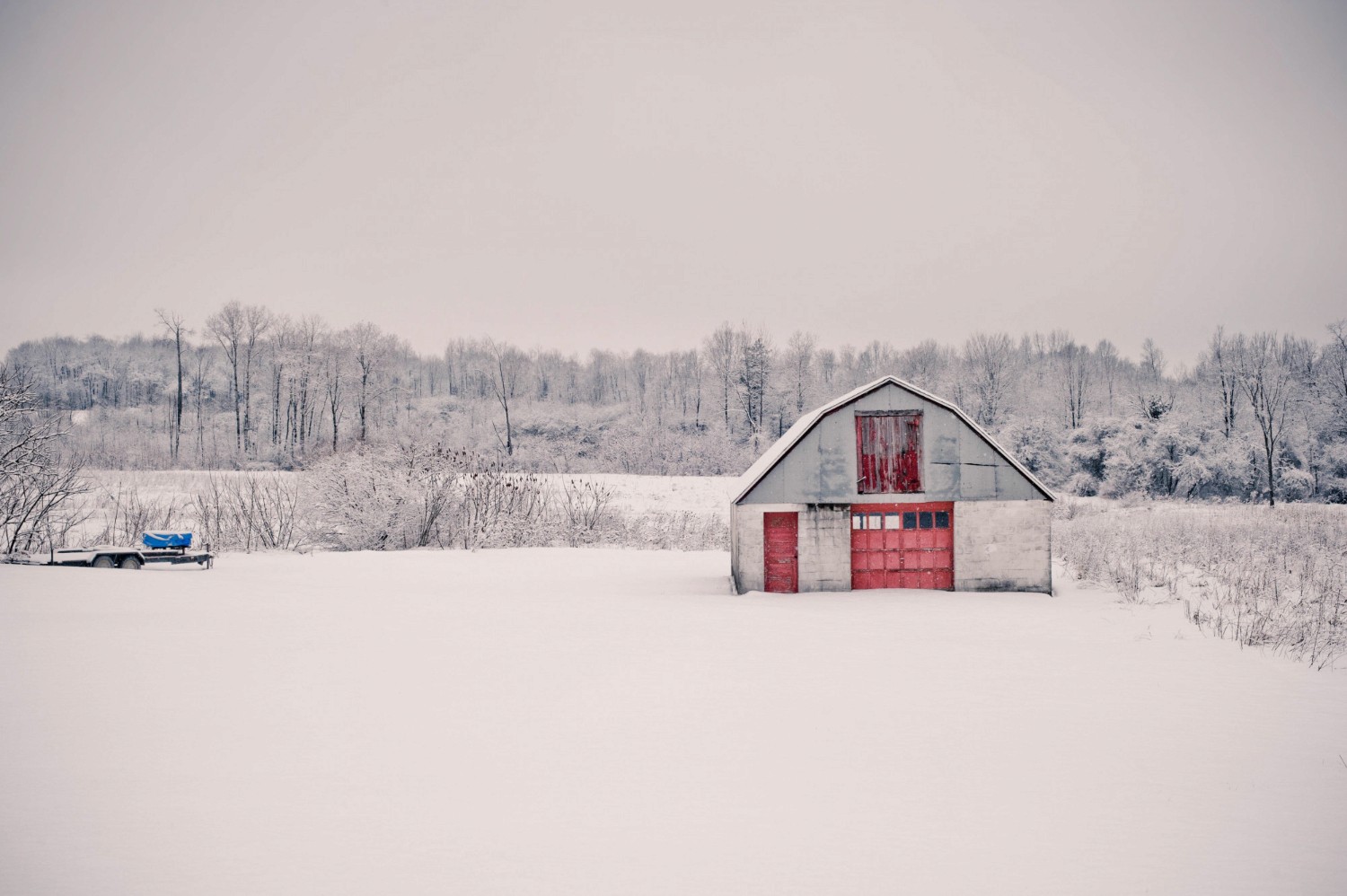
Ice buildup can damage barns and fences if not caught early
Daily checks take longer because of winter gear and slower equipment starts
We plan regular schedules but keep room for changes when storms roll in. Good agri management means watching the weather closely and making smart changes without losing momentum. It's not just about what gets done, but when and how we do it safely. During severe winter weather, flexibility is key, and experienced operators monitor forecasts several times a day. This vigilance helps reduce risks and minimize unexpected delays, ensuring that each task is handled as safely and efficiently as possible.
Adjusting the Farm Schedule
The shorter days and low sunlight slow everything down. Tractors may need warming up. Work has to finish earlier. And let's face it, winter chores just take longer in gloves and boots. So the daily schedule on the farm doesn't look the same.
Dark mornings mean pushing certain jobs later in the day
If the fall was wet or late, there may still be corn stalks or cover crops waiting
Winter is a good time to order seed, plan rotations, and map out next year's inputs
While we're not out planting or harvesting, we're still working the books and prepping gear. Agri management in these months means setting the course for what happens when the weather turns warm again. That prep work gives us fewer surprises later. Farms that operate with employees adjust schedules to maximize what can be accomplished safely and comfortably, shifting indoor work to earlier in the morning and outdoor tasks to the warmest parts of the day. Recordkeeping and maintenance take on a greater role, with more focus on reviewing last year's results and planning improvements for the season to come.
Protecting and Maintaining Equipment
Machines that sit through the ice and snow do not always start up when you need them. Winter is when we give tractors, wagons, and smaller tools the maintenance they need before the busy season returns.
Repairs can be scheduled now without the rush of spring
Lubricants and fuel treatments help machines stay healthy in cold weather
Tools like trough heaters and feeding carts get double-checked for safety
Taking the time now to tune up key equipment helps avoid bigger issues later. It also gives us a chance to store things properly, drain unused fuel, and replace worn parts before they become problems in April. Equipment that is properly protected and maintained during the off-season is more reliable, saving time and money once spring arrives. Checking machinery batteries, changing fluids, and keeping moving parts lubricated are part of the routine, as is organizing the shop and reviewing inventory for critical spare parts. After all, a well-prepared fleet makes it easier to hit the ground running as soon as the snow melts and the fields dry.
Watching Over Soil and Water
Even when nothing is growing, soil still matters. Snow, thaw, and runoff can move topsoil, shift nutrients, or pool water in difficult spots. Winter is a time to observe how things settle and plan for soil health in the spring.
Frozen or bare fields may need extra cover to help prevent erosion
Melting snow can carry nutrients away if fields aren't protected
It's a good season to test soil and secure lime or compost orders early
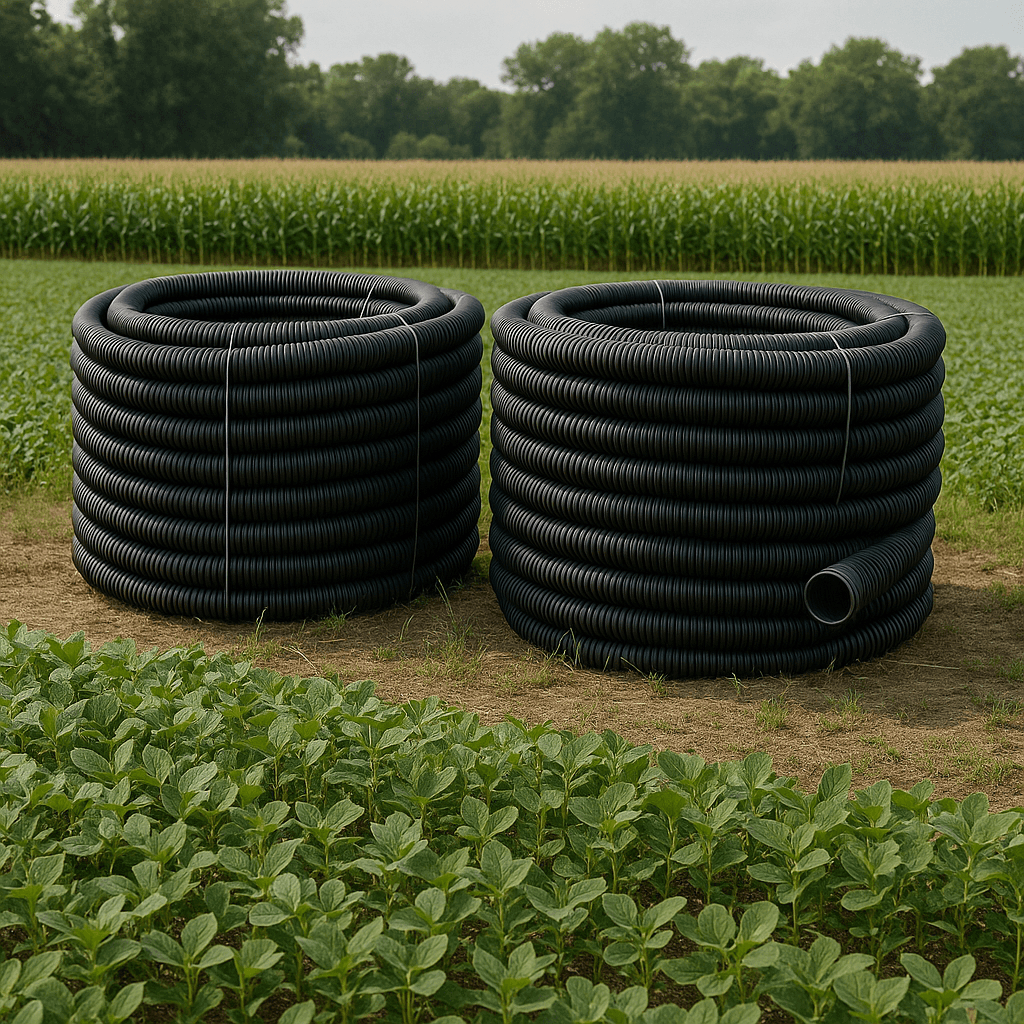
Agri management includes watching what can't always be seen on the surface. That means checking slopes, runoff paths, and areas where past crops didn't take hold to make adjustments before the next season. Proactive steps now support better results later. Winter is also a time for installing or inspecting buffer strips and making plans to address field drainage challenges. Reviewing yield maps and walking fields helps spot trouble spots so fieldwork in the spring brings steady progress, not setbacks. By investing attention during winter, soil quality and water management plans can take shape before another growing season begins.
Keeping the Farm Financially on Track
Winter is a reset period for many farmers. With harvest wrapped up and a new crop year ahead, it's smart to take time to review the numbers, from profits to expenses.
Budget reviews are common now, especially before tax paperwork is due
Crop prices and land lease terms may shift, which impacts spring plans
This is the time to set larger farm goals and review past expenses with a clear perspective
Seasons may slow, but farm finances never pause. Many agri managers use this time to plan carefully. At Farmland by Dirk, detailed financial review and market awareness are integrated into all Indiana, Ohio, and Kentucky management plans, helping clients make sound decisions tailored to their properties' productivity. Reviewing insurance coverage and evaluating planned capital improvements for the coming year are often part of winter management. By using quieter months to analyze cash flow, review expenses, and refine goals, farmers are able to approach spring with greater confidence and clarity in their overall strategy.
Expert Support for Winter Agri Management
Winter might look quiet, but many farms are just as busy beneath the surface. Agri management simply shifts its focus this time of year. We may not be in the fields, but we're still hard at work getting ready for the next growing season. Preparation, protection, and informed adjustments are key.
Farmland by Dirk specializes in both the hands-on and strategic sides of winter management, offering ongoing support to landowners so all aspects, from soil health to equipment, are ready when planting returns. With a blend of farming experience and real estate insight, our team ensures your operation is positioned for a successful year in Indiana, Ohio, or Kentucky.
At Dirk Ricke, we understand that winter brings unique challenges to your daily operations, and a strong plan can make all the difference. Whether you're preparing equipment, evaluating soil health, or managing your budget, having the right support helps you navigate the slower season with confidence. For landowners in Indiana, Ohio, or Kentucky seeking solutions, our approach to agri management is designed to fit your needs this winter. Let's discuss how we can support you.