Spring can be a good time to think through buying farmland in Kentucky. Whether you're planning to plant, pasture, or invest for the long haul, the timing of your purchase can shape what you'll be able to do on day one. Not all fields are the same, and not every road or rule works the way you expect.
Farmland in Kentucky offers a wide mix of land types depending on what part of the state you're in. Some counties have flatter stretches, while others lean into hills and fields with narrow access. Before moving forward, it's worth slowing down and thinking clearly about what you need that land to do, and whether the ground you're looking at really fits the plan.
Know What You Want Out of the Land
It helps to name your goal early. How will you use the ground once it's yours?
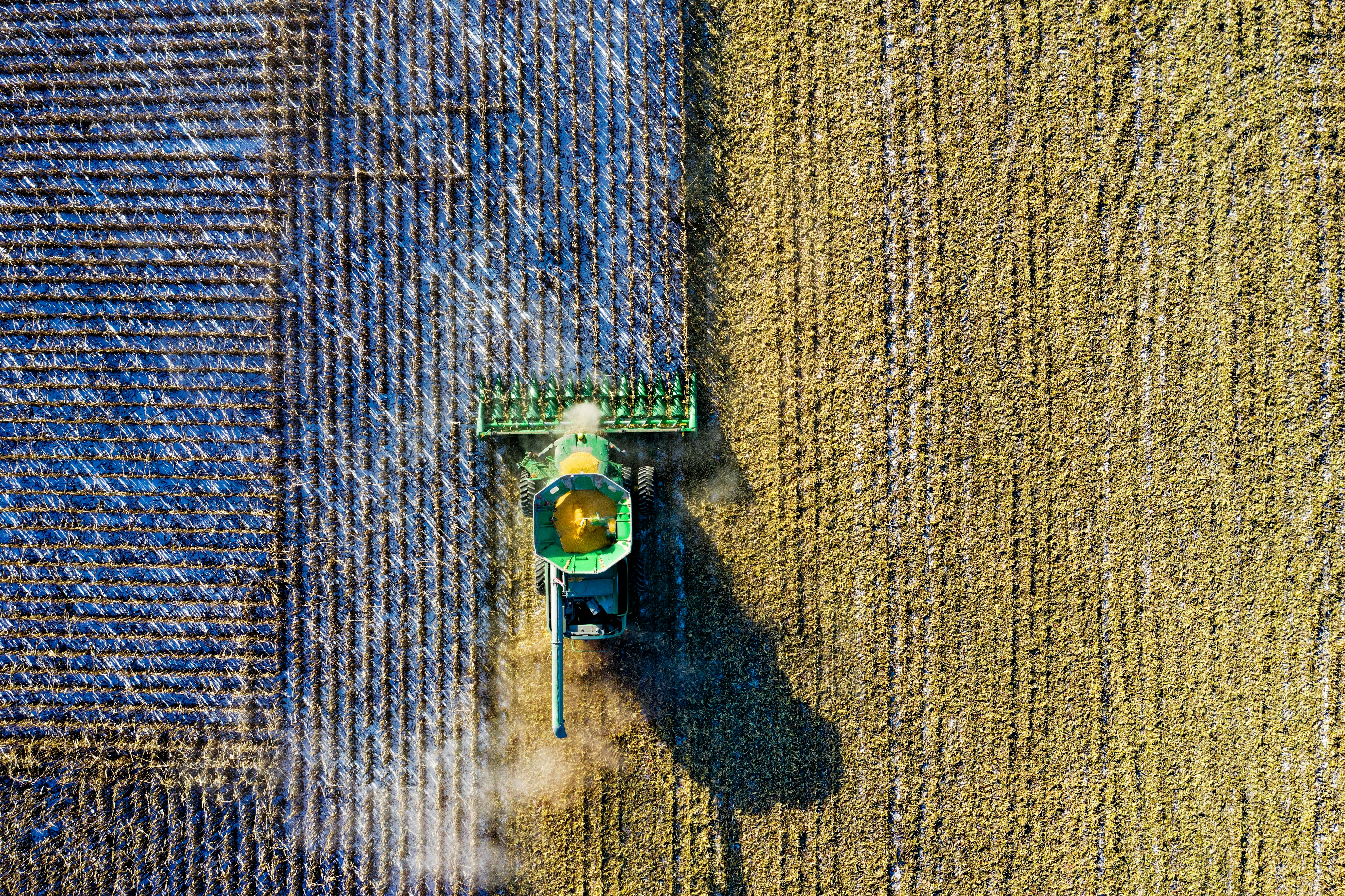
For row crops, you’ll likely want wide, flat fields with good water flow and soil that holds nutrients.
If it’s hay or pasture you’re after, layout and fencing might matter more than depth of topsoil.
Long term investors may lean toward land that’s in a solid location with simple access and rental history.
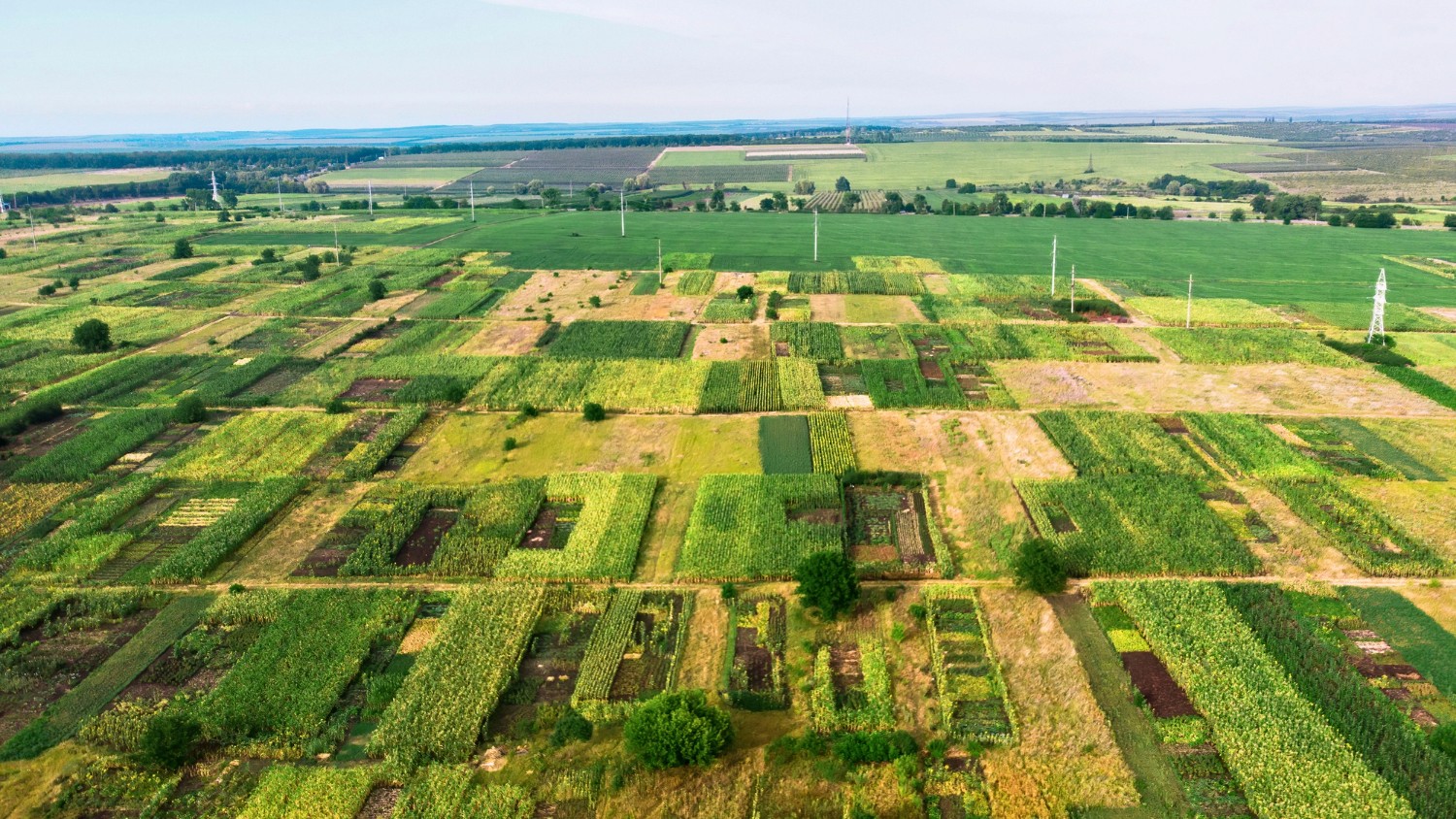
The shape of Kentucky’s counties plays into this too. Western areas usually offer broader, flatter ground that works well for tillage and row crops. Central areas often bring more hills and smaller fields that can work better for grazing or custom use. Picking a property that matches your base plan helps avoid problems that pop up later when daily use doesn’t fit the land’s structure.
Check the Soil and Water Setup
Once you know how you’ll use the land, the next step is figuring out how it handles water and supports crops.
Soil type changes how soon you can plant, how often you’ll fertilize, and whether drainage becomes a problem.
During spring, we pay close attention to whether fields dry out well after rain and where standing water builds up.
Some properties come with access to wells or creeks, while others depend fully on runoff.
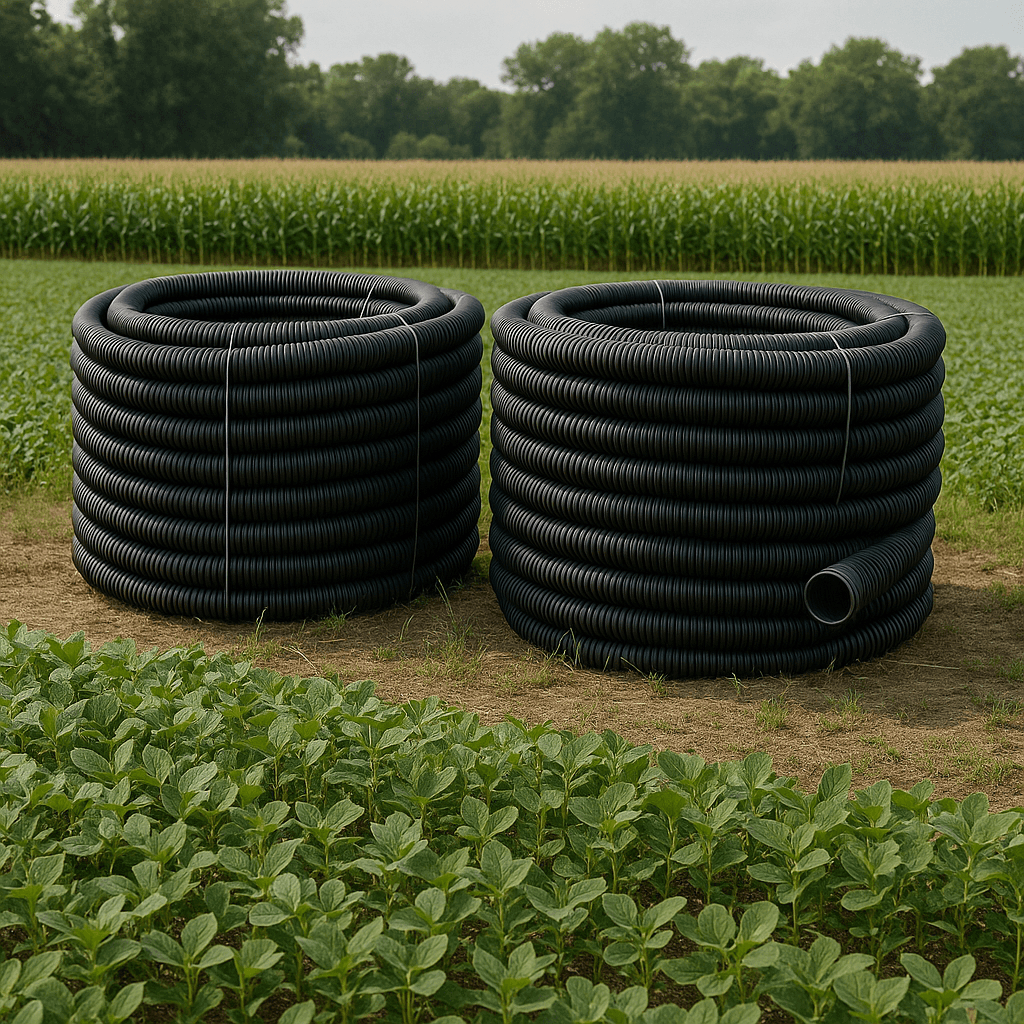
This time of year, it’s easier to see how the land handles moisture. Snowmelt and rain help reveal low spots, clogged ditches, or tight soils that stay too wet to work. If you’re unsure, walk the field after a storm or ask how past seasons went. Soil tests can drive plans forward, but trust your eyes too. What you see in spring might steer your whole year.
Look at Access and Road Conditions
Ease of access can't be overlooked. In Kentucky, many farms are reached by gravel or shared driveways, and that can affect how often you're willing or able to visit and work the land.
Check how wide the entry point is and whether heavy trucks or trailers can make the turn without trouble.
If it rains, how slick or soft do those roads get? Getting stuck during harvest or planting can cost more than time.
Ask the seller or neighbors about who maintains the roads nearby, and whether easements are shared or marked properly.
Each county handles road care a little differently. Some townships stay ahead of maintenance, while others rely on informal agreements between neighbors. If you plan on bringing in equipment or hauling products, even a small access issue can turn into a larger setback.
Know the History and Restrictions
Every piece of ground comes with a story. Knowing what happened on the land before you got there can save you time and confusion.
Ask how the land’s been used recently (row crops, pasture, hay, or just brush hogged every few months).
Check local maps and zoning to see what rules cover the parcel. Some spots fall under conservation programs that limit use or changes.
Easements are another spot to read closely. A power line or shared drive might limit what you can build or where you can fence.
Many of these things will not show up just by driving past or looking at a listing photo. You may need to go to the courthouse or contact the county office to find all the details. If something seems unclear or left out, it is smart to slow down and ask.
Get Help from People Who Know the Area
Buying farmland is not just about the property. It is about knowing how that property works where it sits. In Kentucky, land quality, road rules, water access, and lease habits change from county to county. What works well in one place might bring headaches just a few miles away.
Local brokers can tell you what other farms sold for, what buyers are asking about, and what red flags show up in listings.
Farm lenders often spot deal points or documents that matter most to long term land use and seasonal timing.
Legal experts who know rural property can explain the fine print on things like joint access or water rights.
Reading online is a start, but nothing replaces real conversations with people who have worked farmland in that area before. Knowing what is normal and what is not can make a big difference while you're weighing your options.
Kentucky Farmland: Right Fit for Your Future
Buying farmland in Kentucky can be a strong move if you pick a place that fits both your plan and the kind of work you expect to do. The land’s layout, soil quality, road access, and past use can all shape how useful that ground will be when you show up at planting time.
Our farm acquisition services at Farmland by Dirk help buyers navigate these key details, providing guidance on everything from property due diligence to identifying rental potential and crop suitability. We offer hands-on expertise in Kentucky’s rural markets, using our experience to match clients to parcels that meet their needs for both farming and investment.
If you're clear about what you want from the land and take the time to check those details in person, you'll start ahead of the curve. It is not just about what the listing says. It is whether the field supports your plan, season by season, year after year.
The process of buying farmland involves local expertise, from knowing Kentucky’s unique soil types to researching property history and zoning. At Farmland By Dirk, we are dedicated to helping buyers find farmland that meets both immediate needs and long term goals. It is about more than looks. Our experience helps confirm the land you choose is right for your plans. When you’re ready to review the details of buying farmland in Kentucky, reach out to discuss your goals and how we can make your search straightforward.