Spring sets the stage for a lot of movement when it comes to land and farm in Indiana. After months of cold, the ground softens, the air shifts, and everything starts waking back up. After a long winter, people begin to plan, plant, and prepare. We see a clear change not just in the weather but in how people use and see their land.
With planting season just weeks away, it is easy to feel the pace pick up. Equipment is being serviced, fields are carefully checked, and the focus turns to how to make good use of the months ahead. This shift does not happen all at once, but there is a steady rhythm to how Indiana land responds. From rural farming acres to smaller hobby plots, spring brings attention back to the ground under our boots.
How Warmer Weather Changes the Land
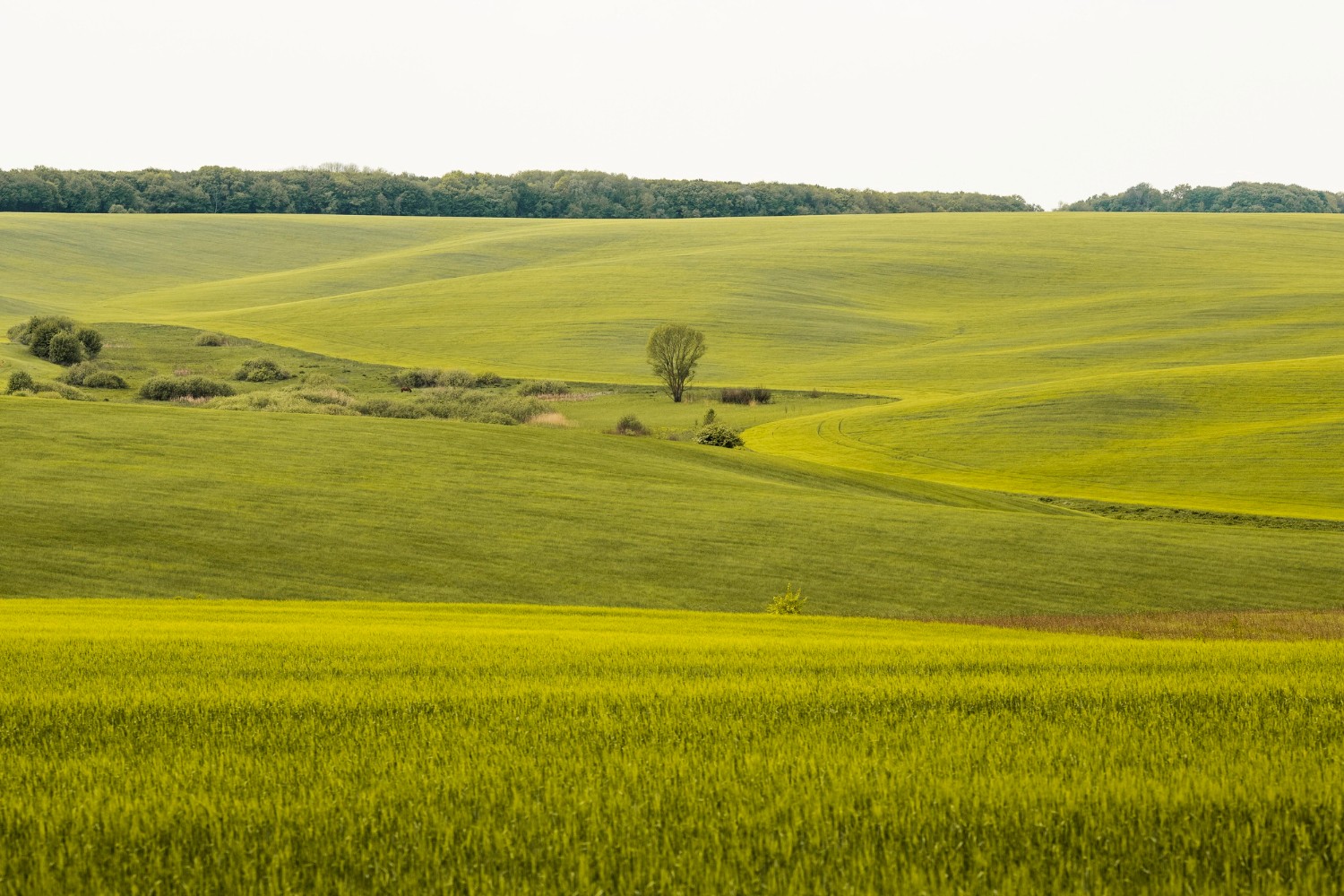
Once the days turn milder, the land starts to change shape right before our eyes. The cold, stiff ground begins to thaw and give way to spring growth, and that is when landowners start stepping into action.
The soil dries out quicker than many expect. What looked frozen in March can be ready for the tractor by mid-April.
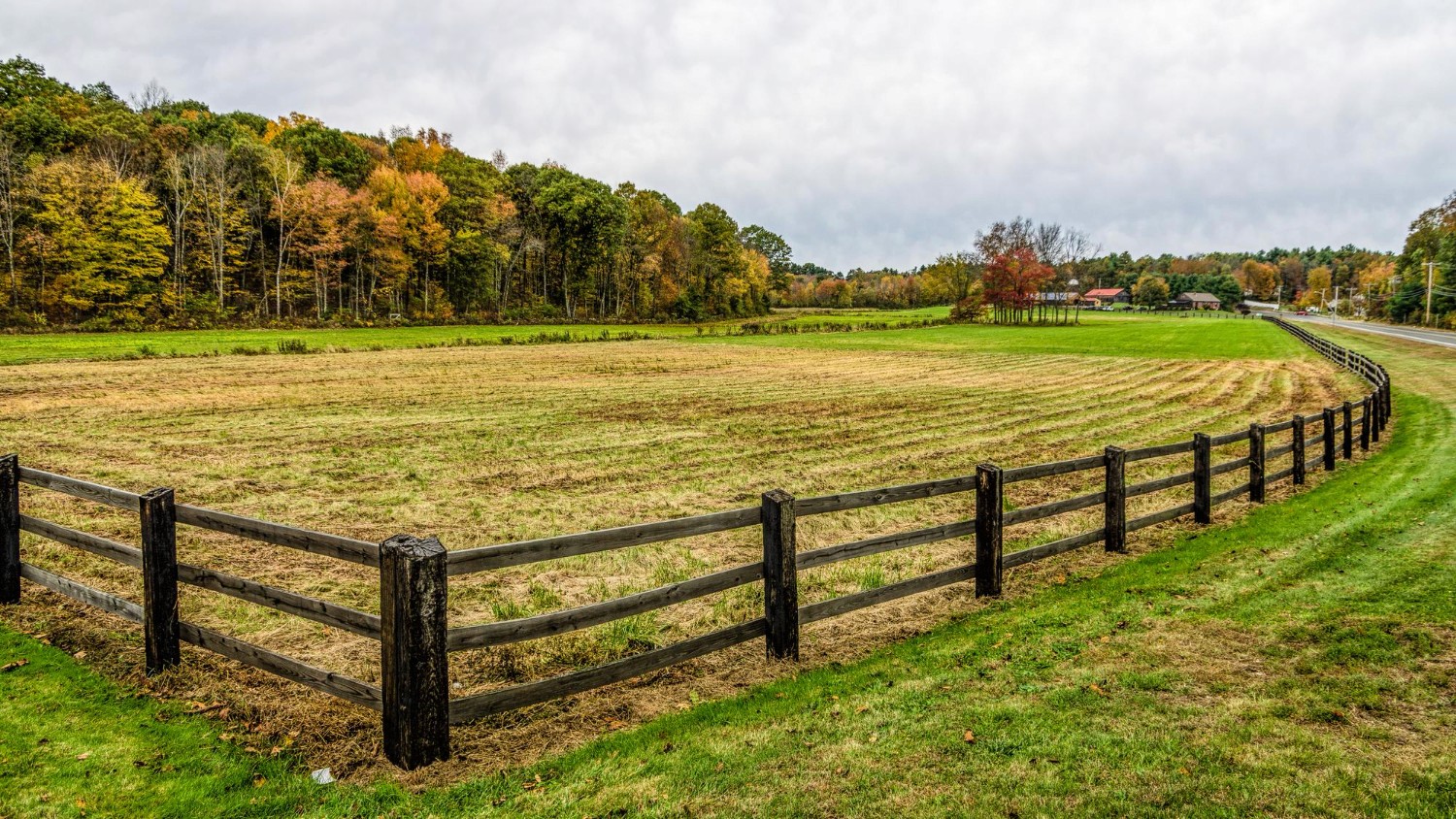
Wildlife becomes more active, which often means clearing new tracks or checking for damage in fields or along fencerows.
Trees stretch out with new leaves and grass pops up, helping shape how we will divide and manage each field.
This time is key for cleanup. Old branches are cleared, ditches are checked for blockages, and gates and fences that sat unused all winter are inspected to make sure they will hold up through busier months. The land becomes easier to work, and even just walking it tells us something new. It is a season that makes people handle every detail so the property can keep up when things get even busier later in the year.
Prepping for Planting: What Buyers and Owners Notice
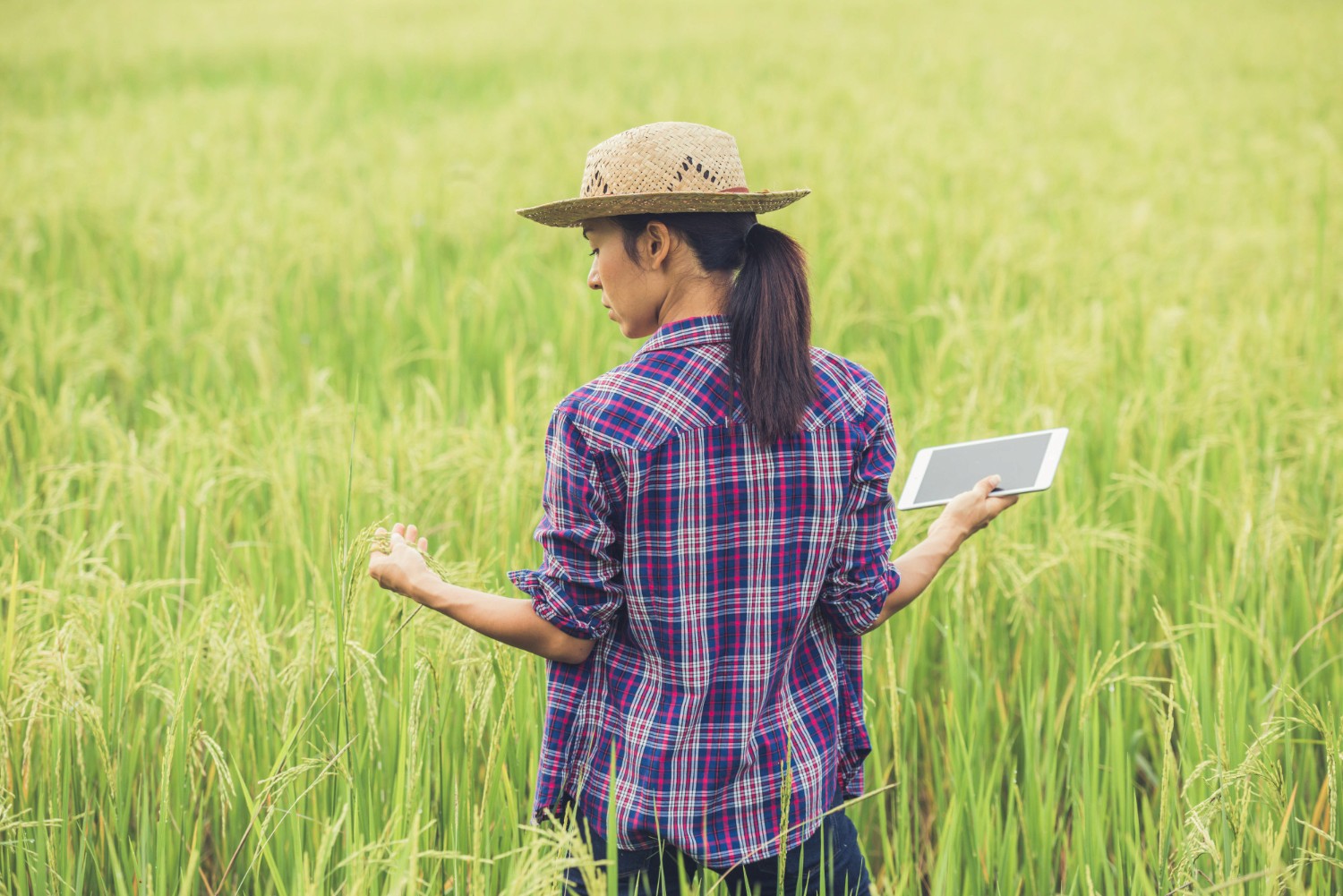
As we get closer to May, the long list of "someday" work starts turning into today's tasks. We see more people readying their tractors, tuning up planters, and checking seed stock. At the same time, both current owners and new people scouting properties start seeing their land with fresh eyes.
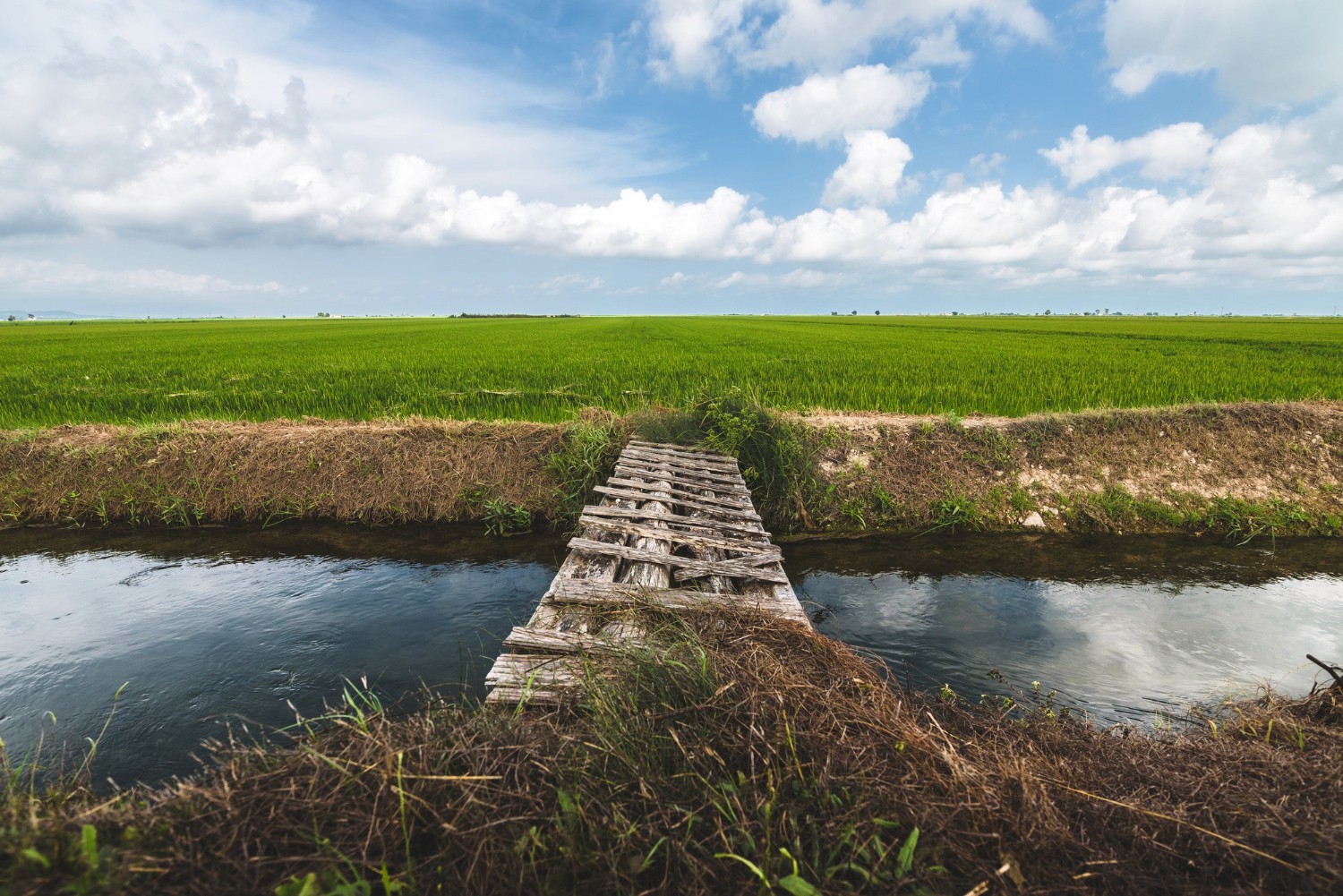
Areas that sat untouched all winter now reveal spots where water pooled or topsoil slipped away.
Bare or patchy sections appear as the snow melts, helping owners spot where fields might need reseeding or leveling.
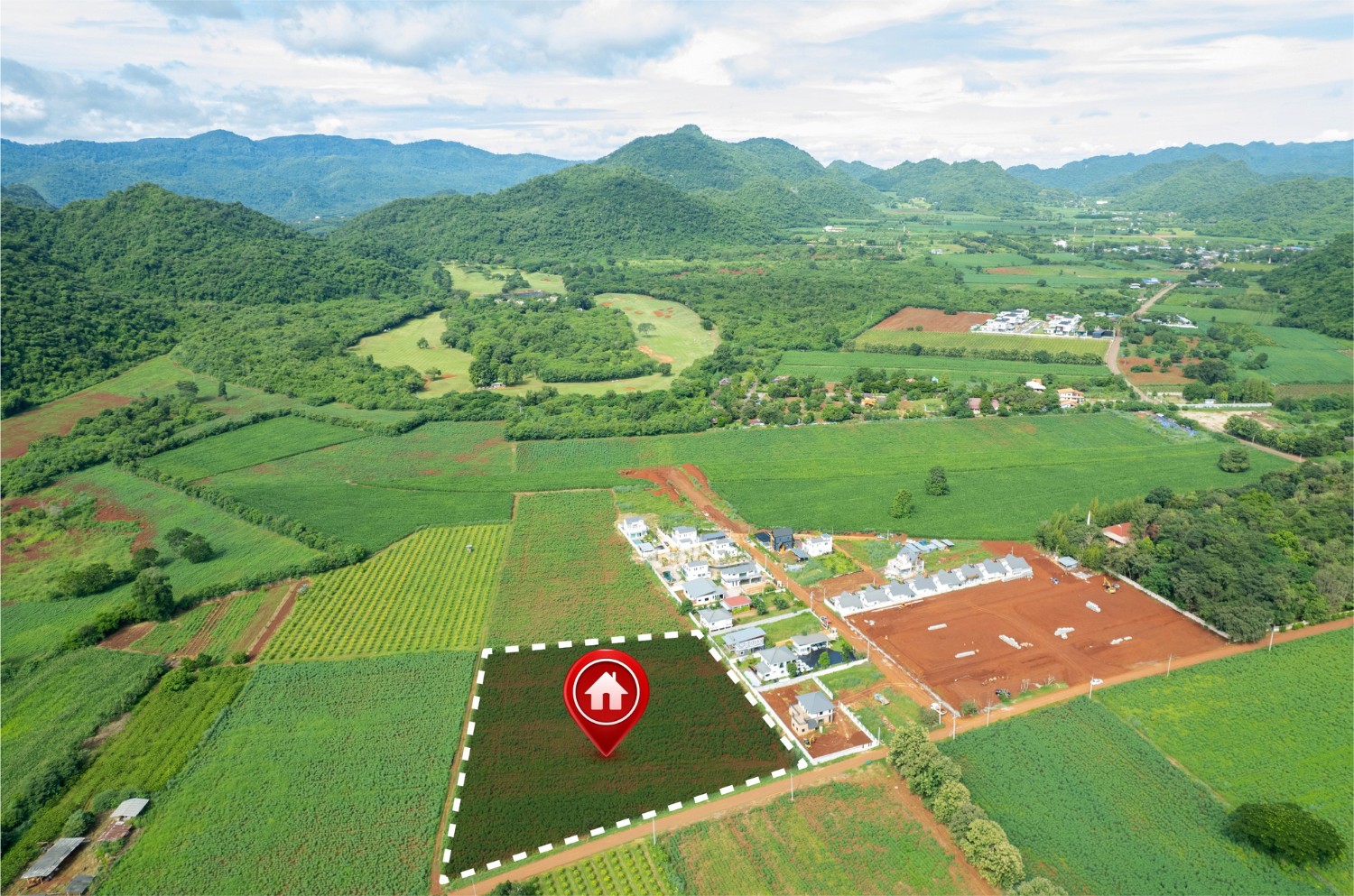
Those looking at farmland notice more than just open space. They check how water flows, where sun hits hardest, and how easy it is to get to parts of a parcel.
The growing season pulls attention to details that are often hidden during colder months. Spring has a way of showing both the potential and the problems in open ground. Sometimes, something as little as a low patch of grass or a rut left from last fall's harvest turns into an important clue about the land’s shape and needs for the months ahead.
Seasonal Shifts in Livestock and Hobby Use
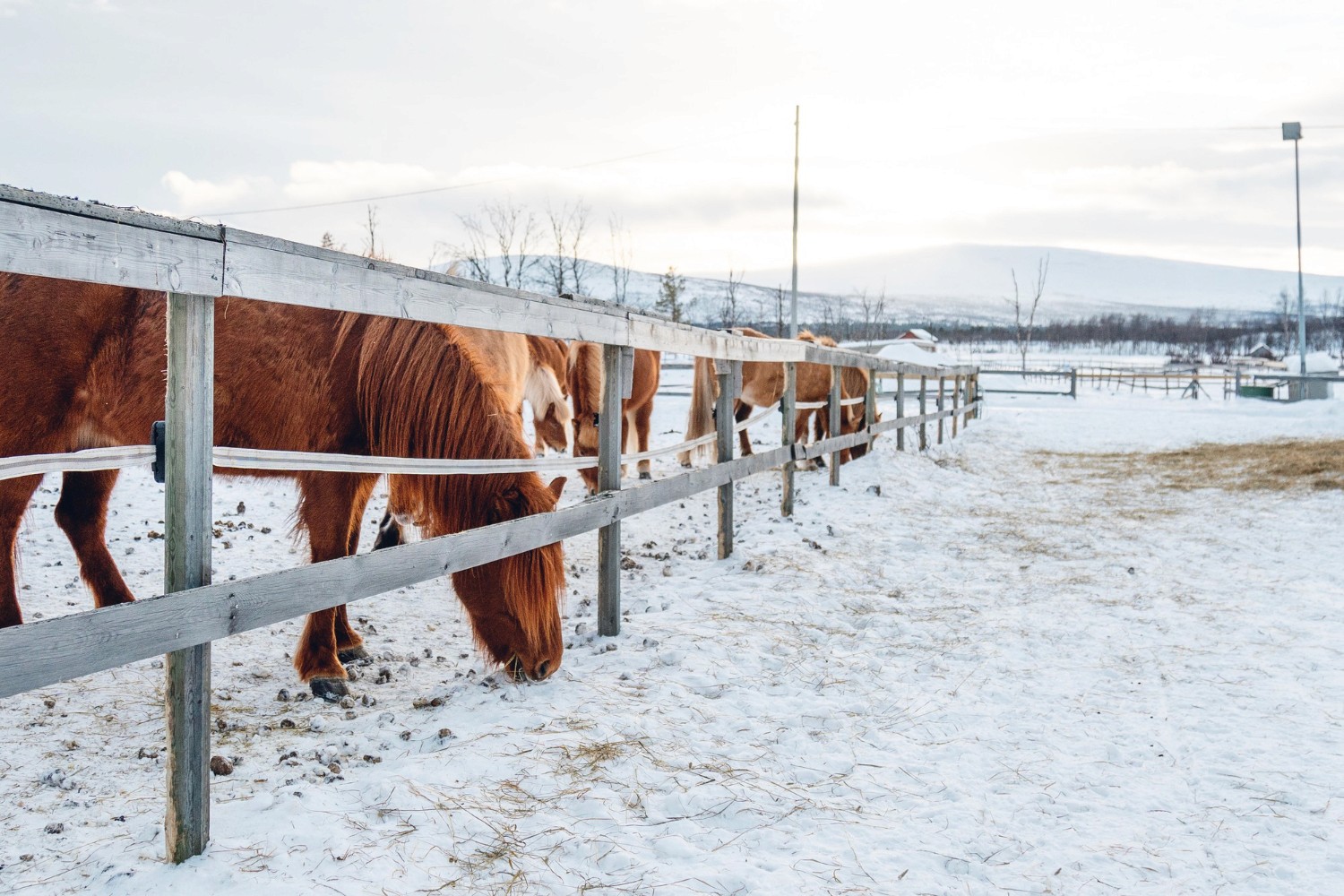
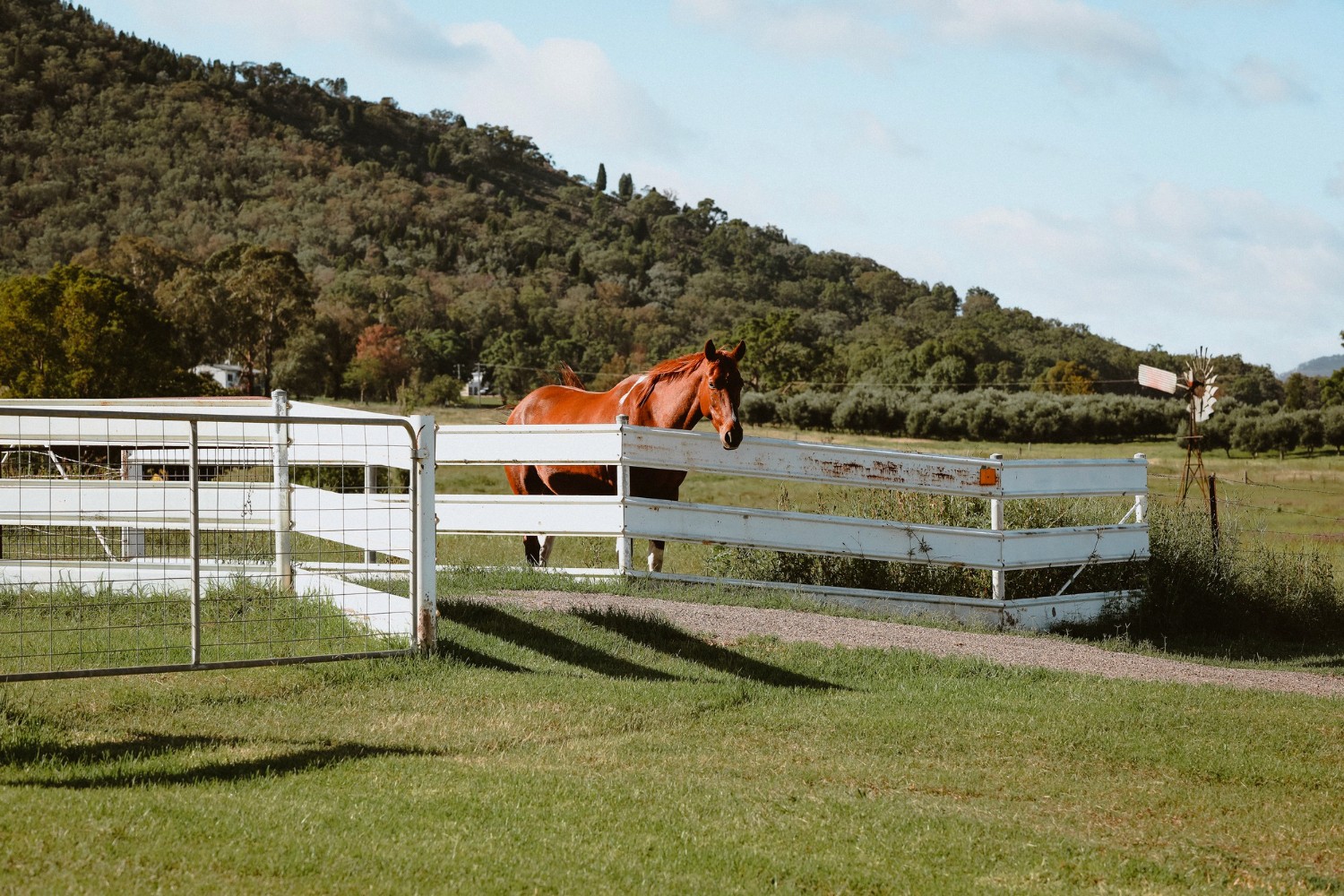
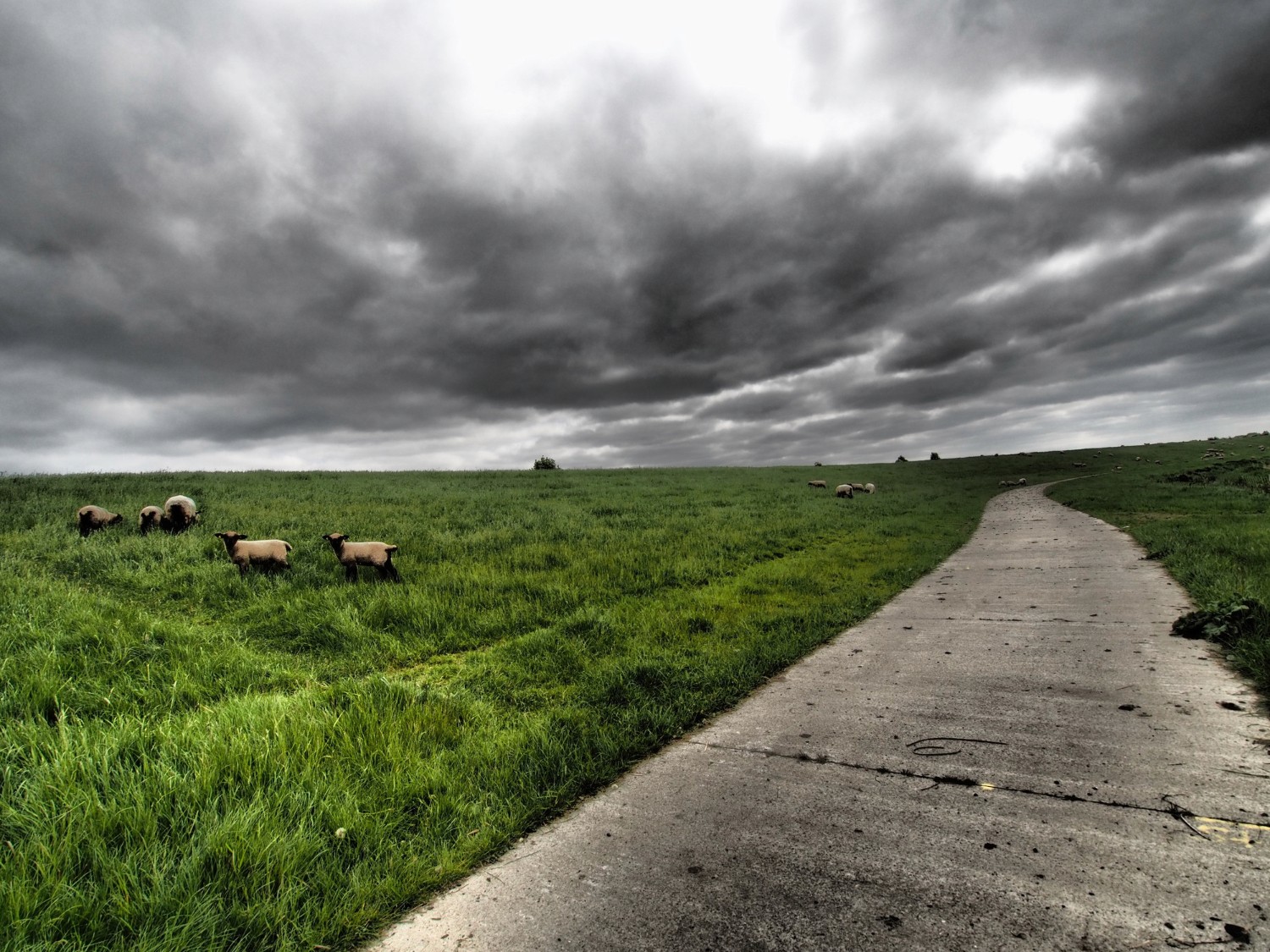
Once the ground firms up and the air warms, livestock start spending more time outside. For many owners, that means walking their fences and fixing anything that got pushed or broken over winter.
Cattle, goats, and other animals move into pasture rotations, which takes planning and a close eye on grass growth.
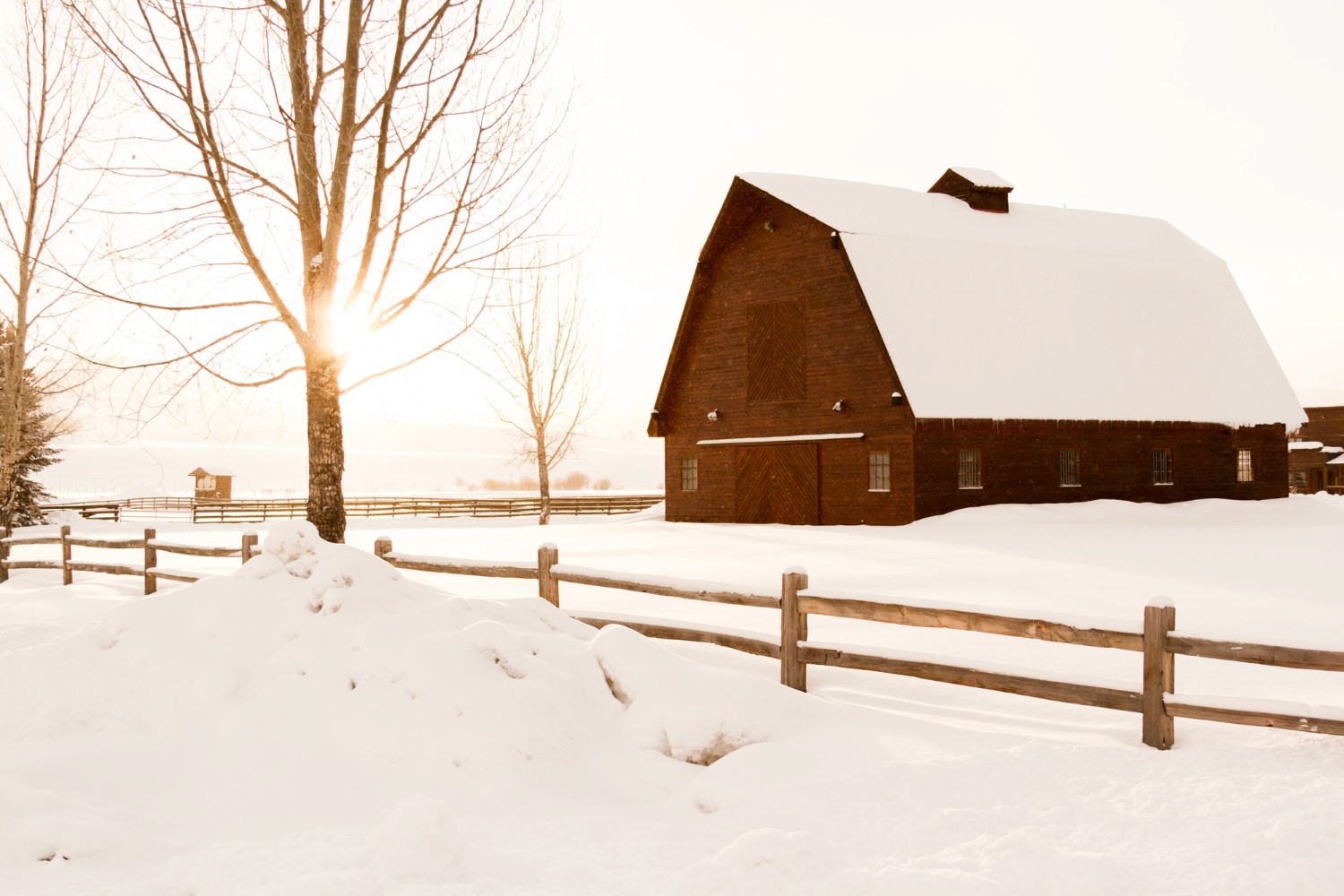
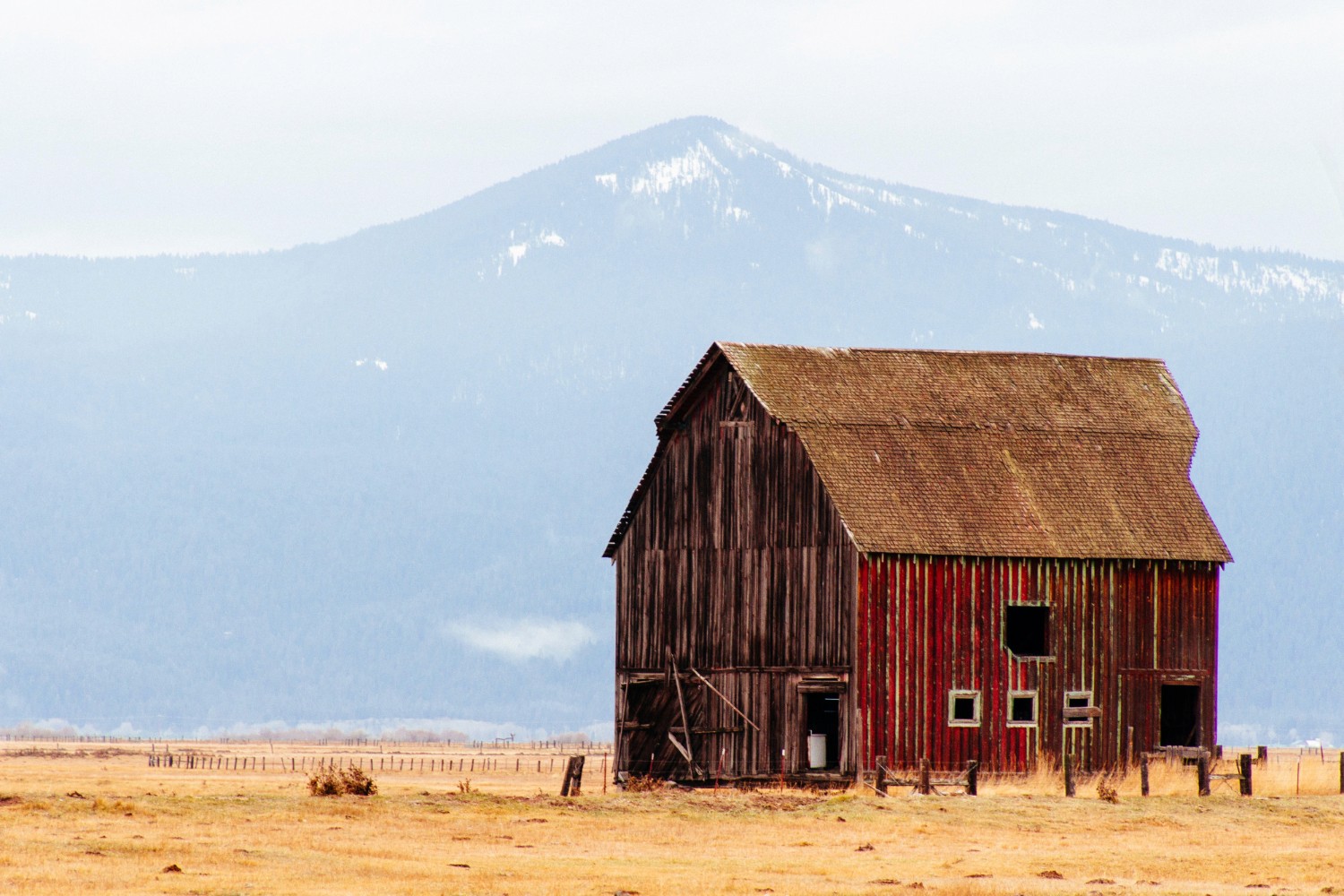
Barns get shoveled out, feed storage gets restocked, and water troughs might need new parts or fresh hookups.
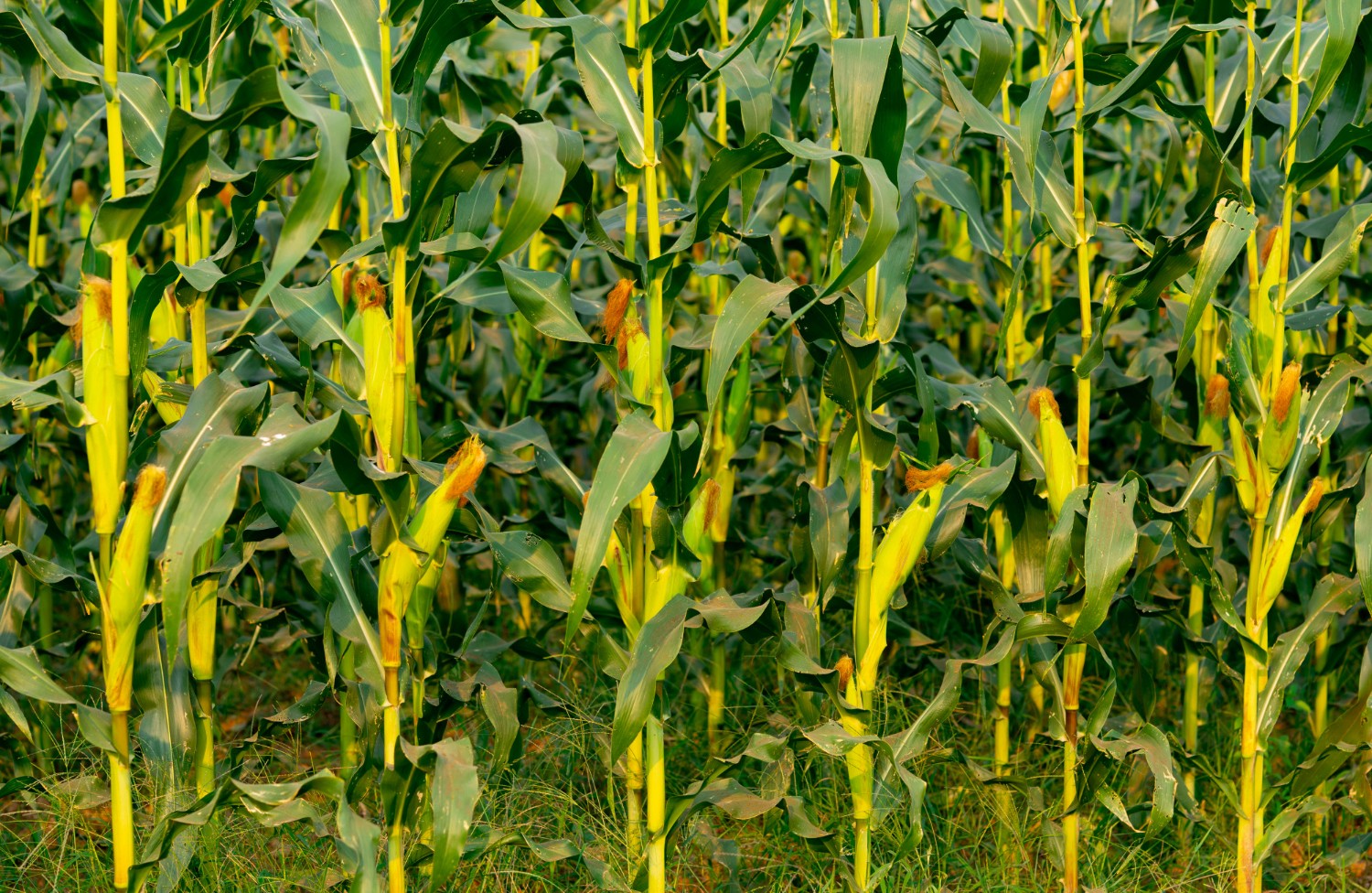
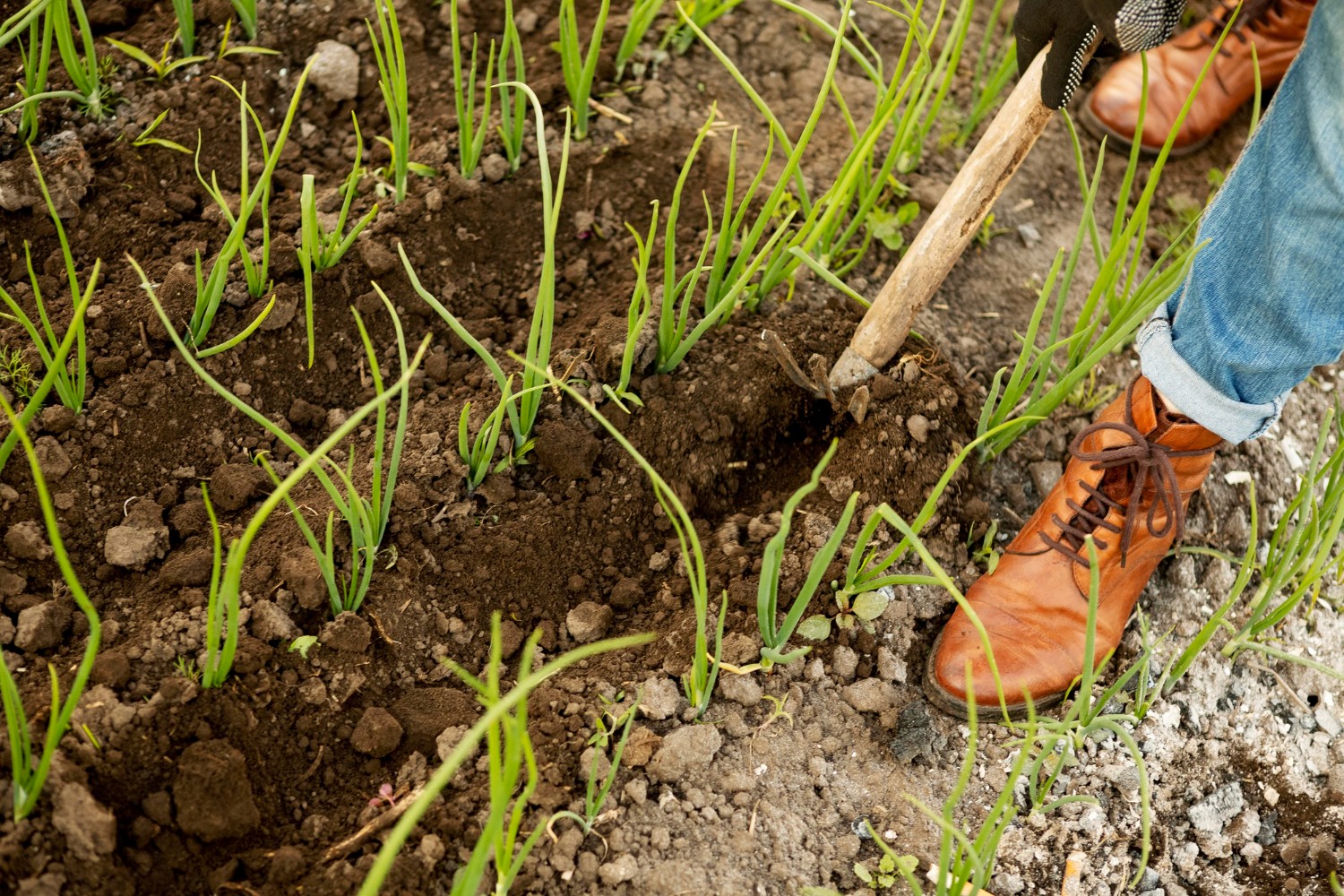
Hobby farmers start spreading compost, setting up outdoor beds, and planting seeds indoors to get a head start.
Farmland by Dirk provides in-depth support to landowners and buyers, including spring preparation and ongoing management plans for Indiana farms. Our tailored approach includes helping clients schedule planting, review pasture conditions, and set up new acreage for rotation or improved access.
Spring hits differently for those who use their land seasonally. Plans shift from "what can I fix" to "how should I grow this." Even small properties feel full of choices. Owners often find themselves looking at every corner of their lot, making notes, and deciding if it is time to try something new or fix something old.
Finding Land Potential as Seasons Change
The days get longer and the sunlight hangs around. That is when we begin seeing how land performs in a clearer way. This is when simple details reveal what kind of changes could work best.
Sunlight patterns show where shade forms and for how long, which helps with placing gardens, bee boxes, or small pens.
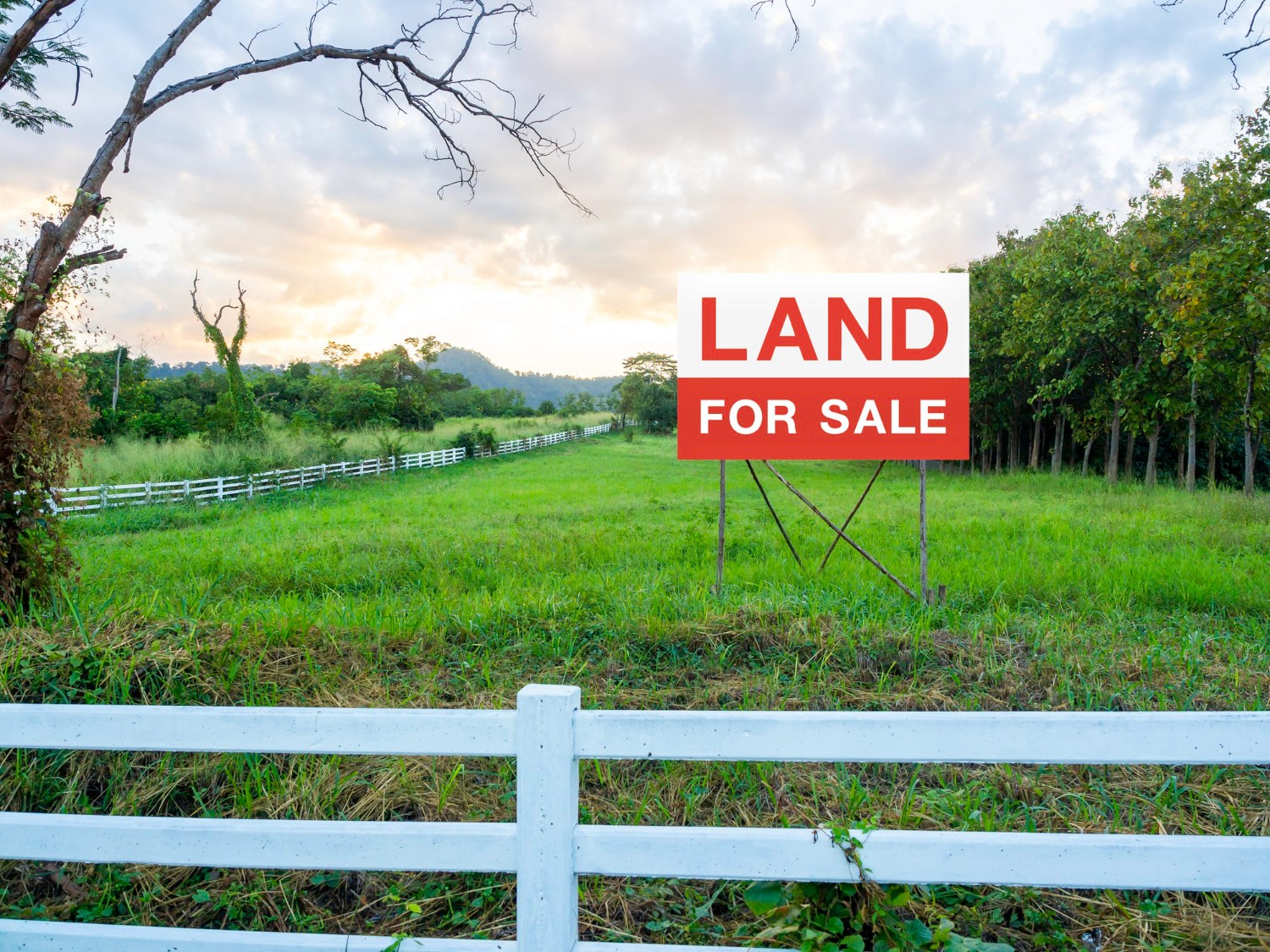
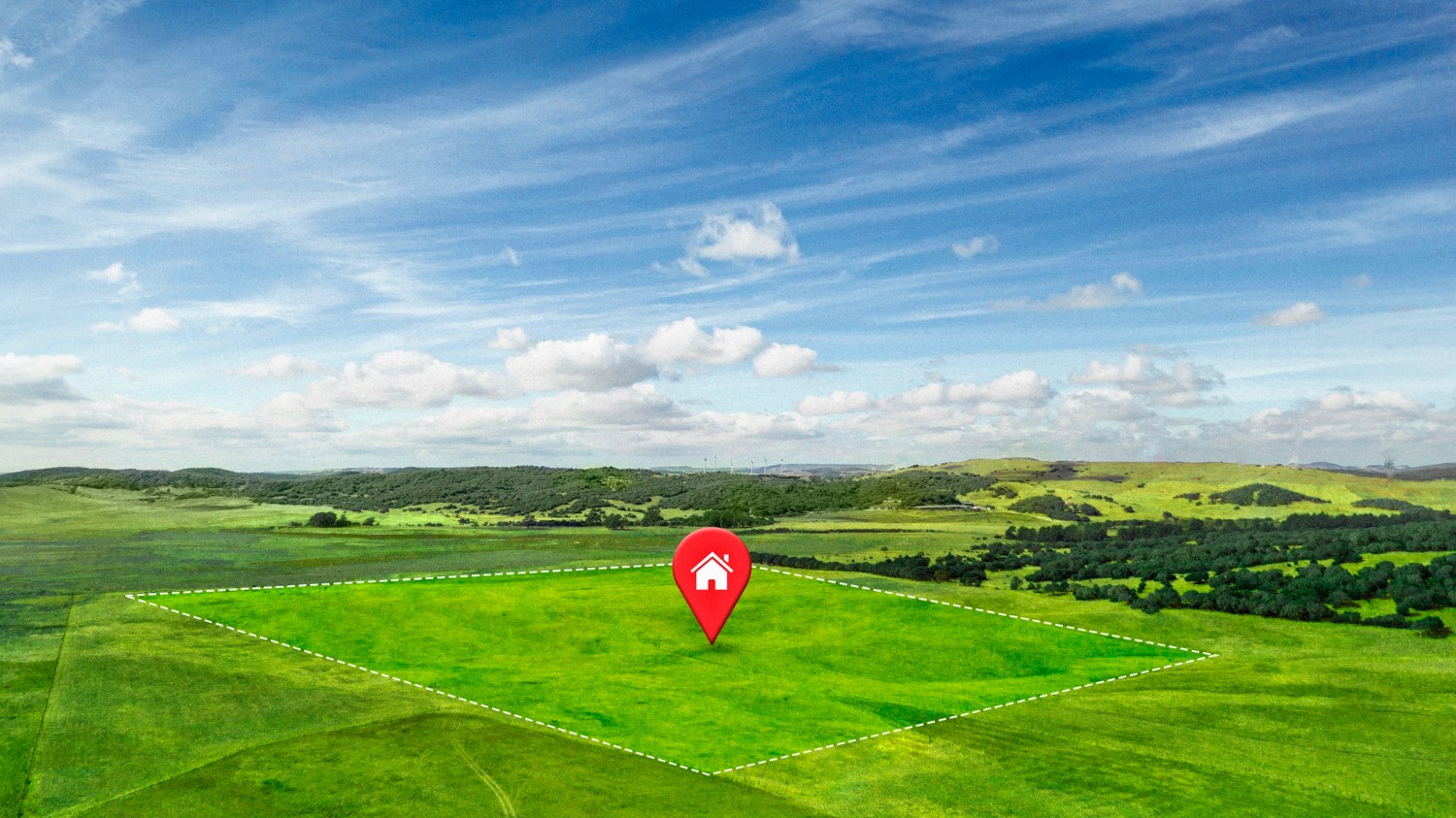
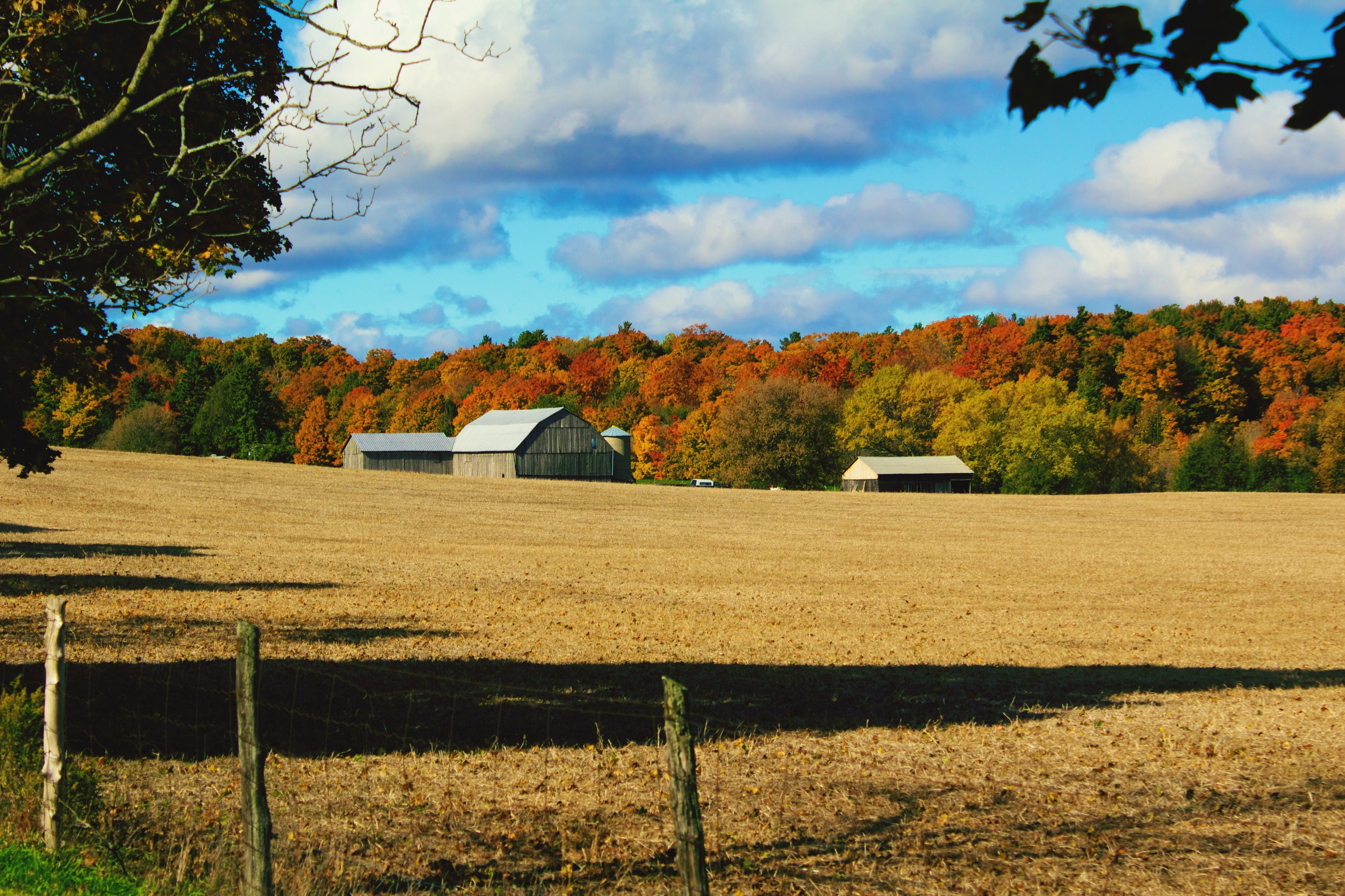
If someone is considering new land and farm in Indiana, it is easier now to step onto a property and imagine what could fit (a barn, a pond, or something as simple as a picnic space).
Once the grass grows and the property is more accessible, it is easier to spot foot traffic areas and machine paths, which helps guide where to lay gravel or pull weeds.
During this time, land speaks through its shape and sunlight. The clutter clears, and owners or buyers can ask better questions about what is possible next. Walking through a field under the spring sun quickly points out what spots hold shade the longest, or where the afternoon heat might help a melon patch thrive. Every glance around shows a new angle for what could be improved, moved, or used in a fresh way.
Getting the Land Working with the Season
Spring is not just about reacting. It is about paying attention. This is when landowners adjust to how wet or dry the fields feel, how fast water runs after a rain, or how quickly weeds try to take over a fence line.
We start testing out our same old paths and noticing where we sink or slip. That tells us what might need rock or repair.
Each pasture, field, or meadow responds a little differently this time of year. That is why many of us wait and watch before locking down plans.
Some projects get fast-tracked, such as fixing low spots or moving feed areas, while others wait until the land settles into its real seasonal shape.
Our brokerage works with clients to develop seasonally informed management plans and use in-region insights to help buyers assess which Indiana properties show the most long-term potential. We share recent market trends, survey data, and customized strategies to help clients reach their unique goals.
Spring does not always let you rush. Sometimes, the right call is to keep an eye on the ground for one more week. By reading the signs carefully, owners can make decisions that strengthen their land’s resilience for the whole season ahead.
When the Land Starts Speaking Again
By the end of April, the land begins to show its direction. We walk it, work it, and slowly the ground gives feedback. A patch holds water too long. A trail holds up well to traffic. A gate needs extra bracing before animals get out.
The land leads, if we let it. These quiet signals matter when deciding what project will last and what needs another look.
Maybe April shows that a pasture has held up better than others, or that drainage needs more than just a quick dig. Each part of a farm or property tells a different story now.
As the growing season presses closer, those of us living and working the land start to follow its pace instead of push past it.
Observing the land is part of using it wisely. Whether it is a full operation or a few acres, spring brings the shape of a season into plain view. When we listen to it, we usually get better outcomes.
As planting season unfolds across Indiana, new opportunities and hidden value in your land become more visible. Whether you are exploring additional acreage or seeking a better understanding of your property's potential, spring is the perfect time to assess the land's strengths. To stay ahead of the changes happening with land and farm in Indiana, reach out to Dirk Ricke and let Farmland by Dirk guide you through your next steps.